
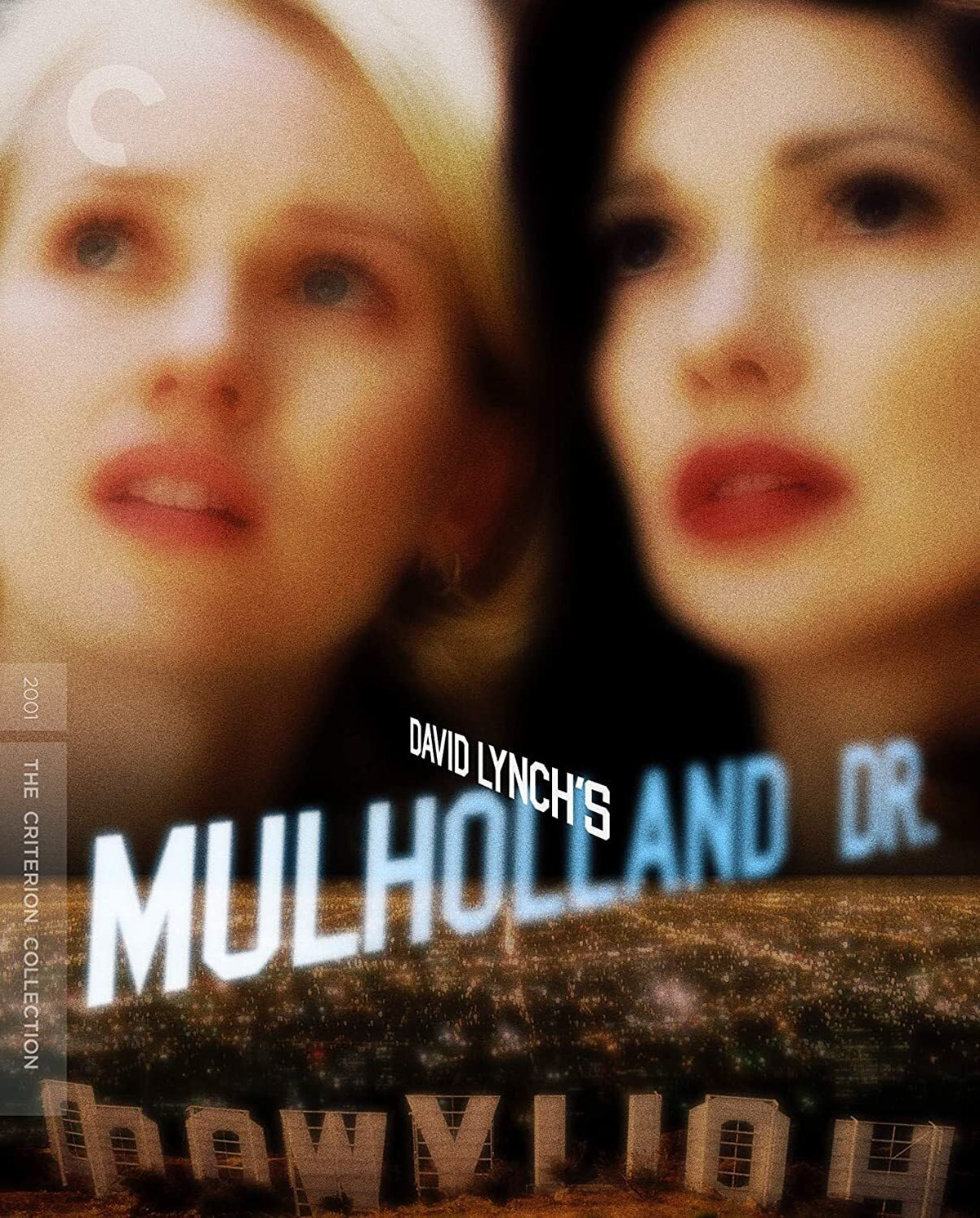
Mulholland Drive (2001)
A Hollywood Nightmare Where Dreams Go to Die
Hollywood has always been a place built on dreams. It sells fantasy, reinvention, and the promise that anyone can become someone else. But beneath the lights, the glamour, and the endless pursuit of fame lies something much darker loneliness, obsession, and the crushing weight of impossible expectations. Mulholland Drive is not a film about Hollywood’s dreams. It is a film about what happens when those dreams begin to rot.
Directed by David Lynch, Mulholland Drive is one of the most haunting and hypnotic films of the 21st century a surreal descent into identity, desire, and the fragile line between fantasy and reality. It refuses to explain itself in traditional ways, instead pulling the audience into a dreamlike maze where every image feels meaningful, every conversation feels slightly wrong, and every answer creates more questions.
The story begins with Betty Elms, an optimistic young actress arriving in Los Angeles with dreams of becoming a star. She discovers an amnesiac woman who has survived a mysterious accident on Mulholland Drive and takes the name Rita. Together, they attempt to uncover Rita’s identity, leading them through a strange world of Hollywood producers, failed auditions, hidden secrets, and increasingly unsettling discoveries.
On the surface, it appears to be a mystery. But Lynch is not interested in solving mysteries he is interested in exploring the emotions buried beneath them. Mulholland Drive is less a puzzle to be solved and more a nightmare to be experienced. It operates like a half-remembered dream, where logic disappears but feelings remain painfully clear.
The performances are central to the film’s power, especially Naomi Watts as Betty. Watts delivers one of the greatest performances of her career, capturing innocence, ambition, vulnerability, and despair. Betty’s transformation throughout the film is devastating because Lynch allows us to see both the fantasy version of a person and the painful reality underneath.
Laura Harring brings an equally captivating mystery to Rita, creating a character who feels like a symbol as much as a person. Their relationship becomes the emotional center of the film a story of connection, longing, and the desperate desire to hold onto something that may never have truly existed.
Visually, Mulholland Drive is pure Lynch. The director and cinematographer Peter Deming transform Los Angeles into a place that feels both familiar and alien. The city’s bright lights hide endless shadows, and the dream factory of Hollywood becomes a haunted house. Every empty hallway, darkened room, and glowing sign feels like it contains a secret waiting to be uncovered.
The film’s most famous moments are terrifying because they tap into something deeply human: the fear that reality itself is unstable. The sequence at Club Silencio remains one of cinema’s most unforgettable scenes, stripping away the illusion of performance and forcing both the characters and audience to confront uncomfortable truths.
Lynch’s use of sound is equally powerful. The silence, the sudden bursts of noise, and Angelo Badalamenti’s eerie score create an atmosphere where tension exists even in ordinary moments. The film feels like it is constantly waiting for something terrible to reveal itself.
What makes Mulholland Drive such a lasting masterpiece is that it can be interpreted in countless ways. It can be viewed as a story about Hollywood exploitation, a psychological breakdown, a tragedy about unfulfilled dreams, or a meditation on identity and regret. The film does not demand that you find one correct explanation it invites you to get lost inside it.
Like the greatest works of art, Mulholland Drive changes depending on when you experience it. Each viewing reveals new details, new connections, and new emotions. It is not a film that gives you closure; it is a film that follows you home.
A beautiful illusion. A devastating nightmare. A love letter to Hollywood written in blood and broken dreams.
Rating: 7.5/10
Review
by
Michael Benesh