
On April 28, 2026, La Dispute turned The Belasco into a something far more sacred than a mere concert hall... In the dense cultural sprawl of Los Angeles, where spectacle often overshadows substance, La Dispute offered something rare; an evening defined by not just performance, but emotion.
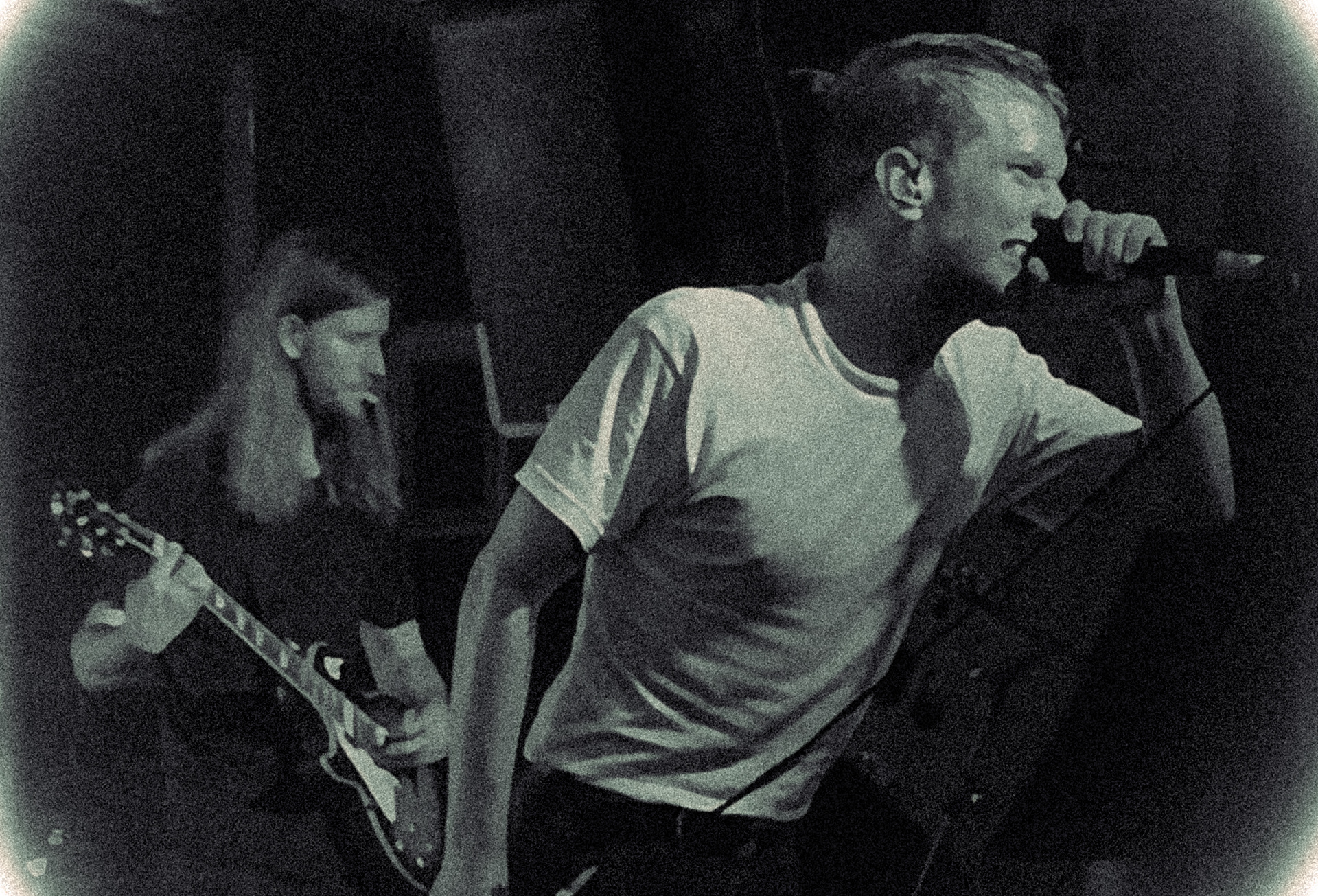
Opening with I Shaved My Head, the band immediately established a tone of stark vulnerability. There was no indulgence in theatrics, only a deliberate and almost ascetic focus. Jordan Dreyer stood at the center, less a frontman than a conduit, delivering his words in that unmistakable cadence. His voice oscillated between restraint and rupture, each inflection carrying the weight of lived experience rather than affectation. Man With Hands and Ankles Bound and The Most Beautiful Bitter Fruit followed, their narratives unfurling like fragmented recollections; elliptical, aching, and unresolved. Instrumentally, the band exercised remarkable exactness. Guitars splintered, rhythms coiled and released with superior technical accuracy. The dynamic tension mounting to the point of collapse before receding into near silence felt like respiration.
By the time Scenes From Highways 1981–2009 emerged, the set had assumed a literary influence. The song’s nonlinear structure almost felt like a collage-diverse and random, yet beautiful. Sibling Fistfight at Mom’s Fiftieth further blurred the boundary between audience and performer, the crowd reciting lines not as fans, but as participants in a shared narrative.
The midsection of the set embraced a quieter, more contemplative register. Woman (Reading) and View From Our Bedroom Window unfolded with a fragile, almost reverential stillness. These were not songs that demanded attention—they compelled it, drawing the room inward rather than projecting outward. The audience responded in kind, suspending the usual concert etiquette in favor of something closer to collective listening.
Then came King Park...the emotional fulcrum around which the entire evening seemed to pivot. It's climactic passage detonated not in chaos, but in catharsis. Voices rose in unison, not merely singing but exorcising, as though the narrative’s moral anguish had found temporary absolution in communal articulation. It was a moment both harrowing and transcendent, encapsulating the peculiar alchemy that defines La Dispute’s work.
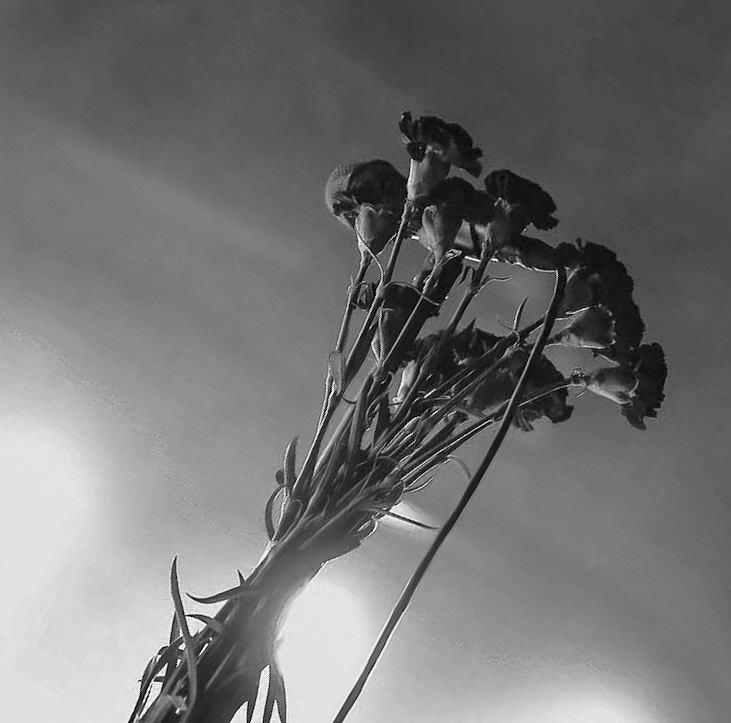
The latter portion of the set sustained this intensity without redundancy. Autofiction Detail and a Letter extended the band’s meditation on memory and identity, while Why It Scares Me and I Dreamt of a Room With All My Friends I Could Not Get In ventured into more abstract, almost oneiric terrain. Andria arrived like a ghost from the past—familiar, resonant, and no less devastating in its emotional precision.
Closing with No One Was Driving the Car and Environmental Catastrophe Film, the band resisted any semblance of resolution. Instead, they allowed the evening to dissipate gradually, like the final pages of a novel that refuse to tie their threads. It was an ending steeped in ambiguity. Almost appropriate for a body of work so preoccupied with the unresolved. La Dispute occupies a liminal space between music and literature. In a live setting, that hybridity becomes profoundly tangible. Each song is less a composition than a lived text, each lyric a line inscribed in real time. At The Belasco, they did not simply perform. They bore witness, and in doing so, invited everyone present to do the same.
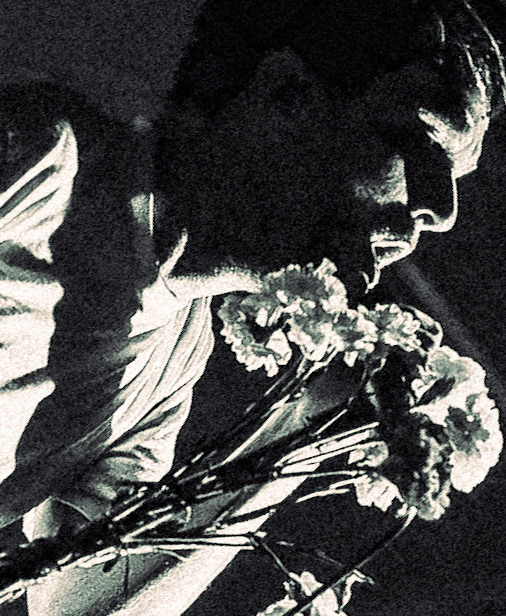
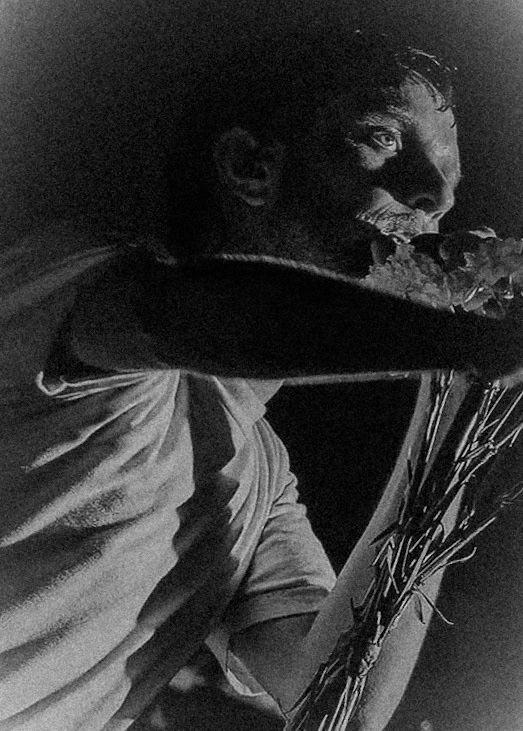
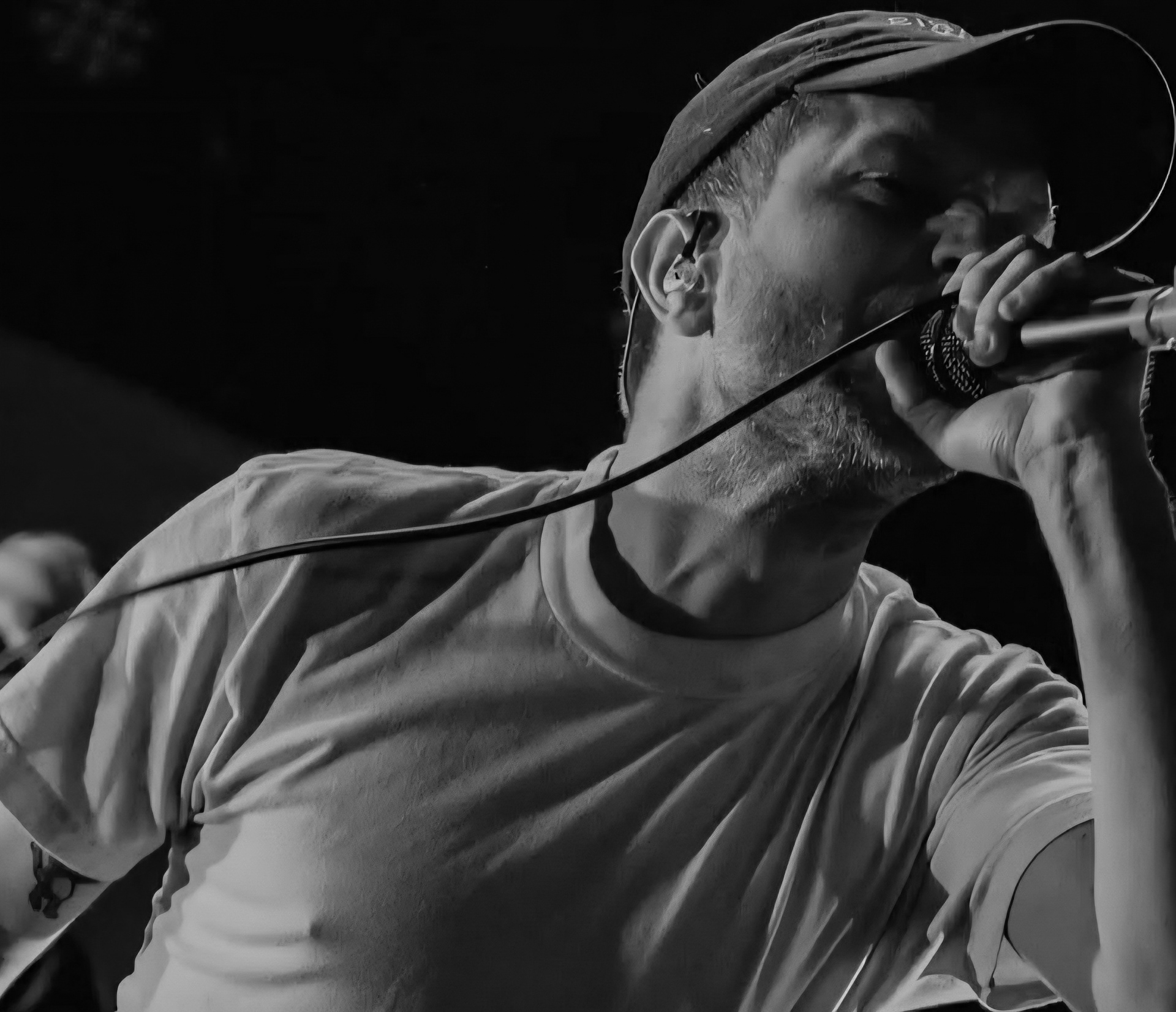
Photos and review by Michael Benesh