Kansas & Deep Purple
Prog, Power and the Long Shadow of Classic Rock
North Island Credit Union Amphitheater, Chula Vista, California
September 8, 2026
There are bands that survive on nostalgia, and then there are bands that make nostalgia sound embarrassingly inadequate.
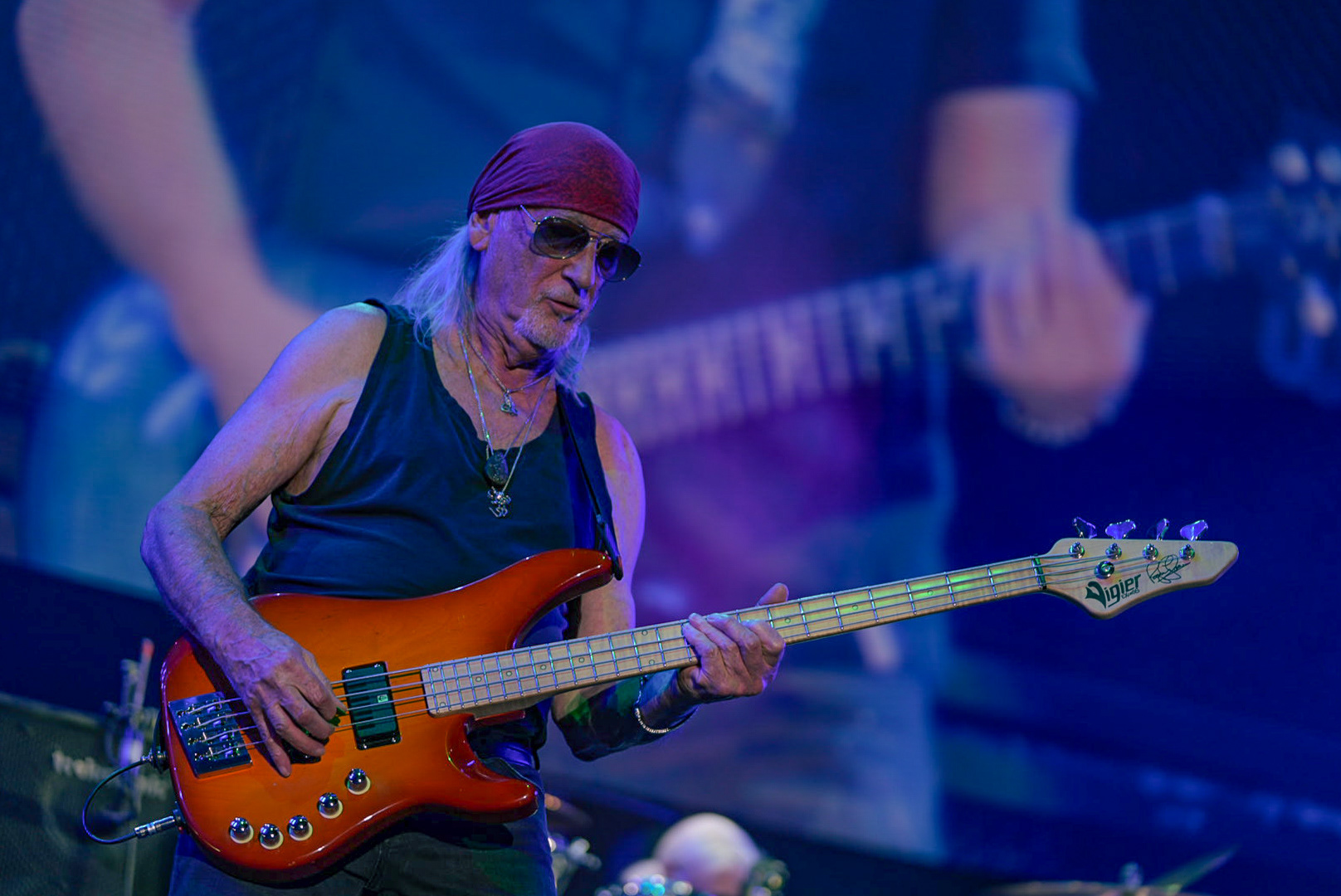
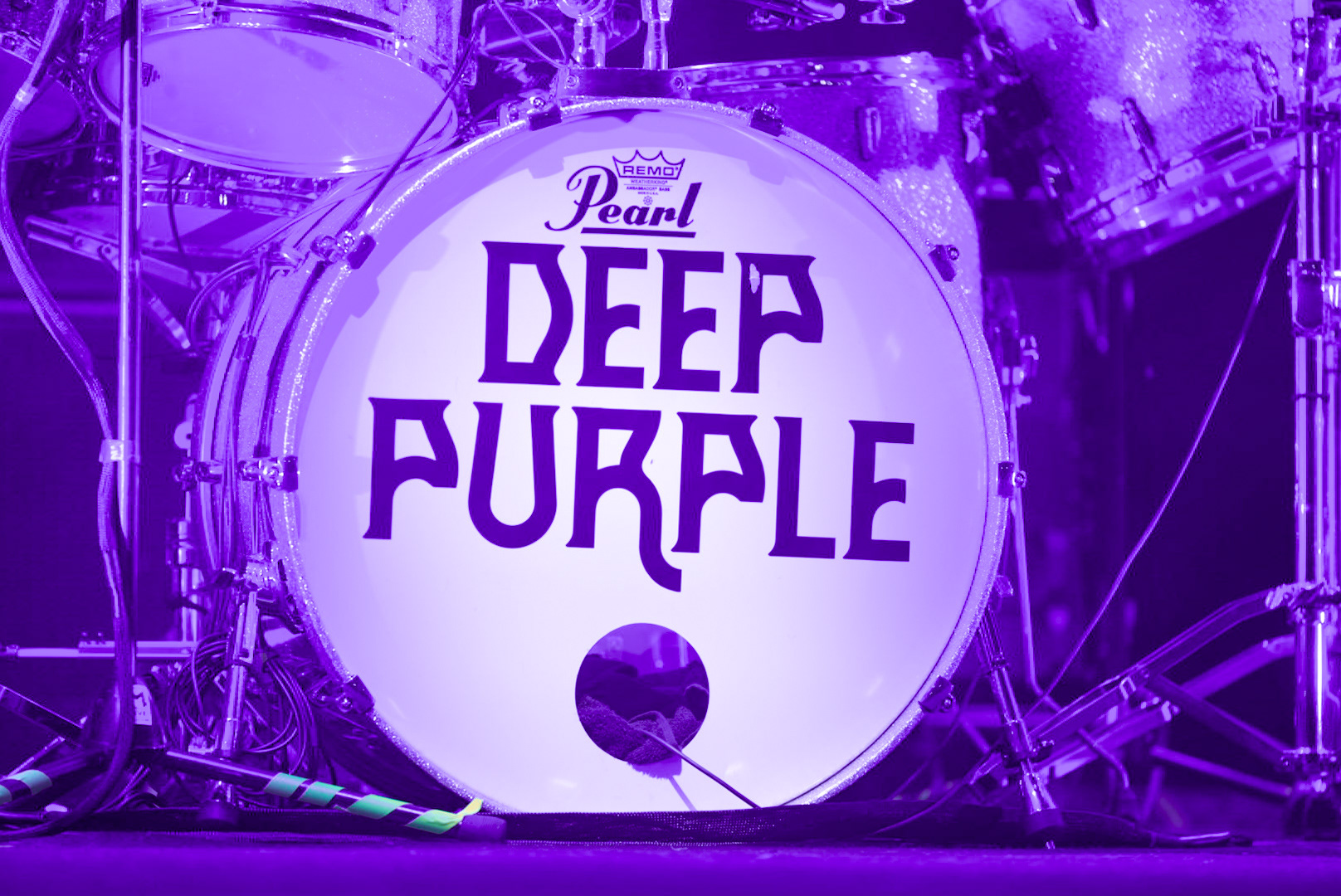
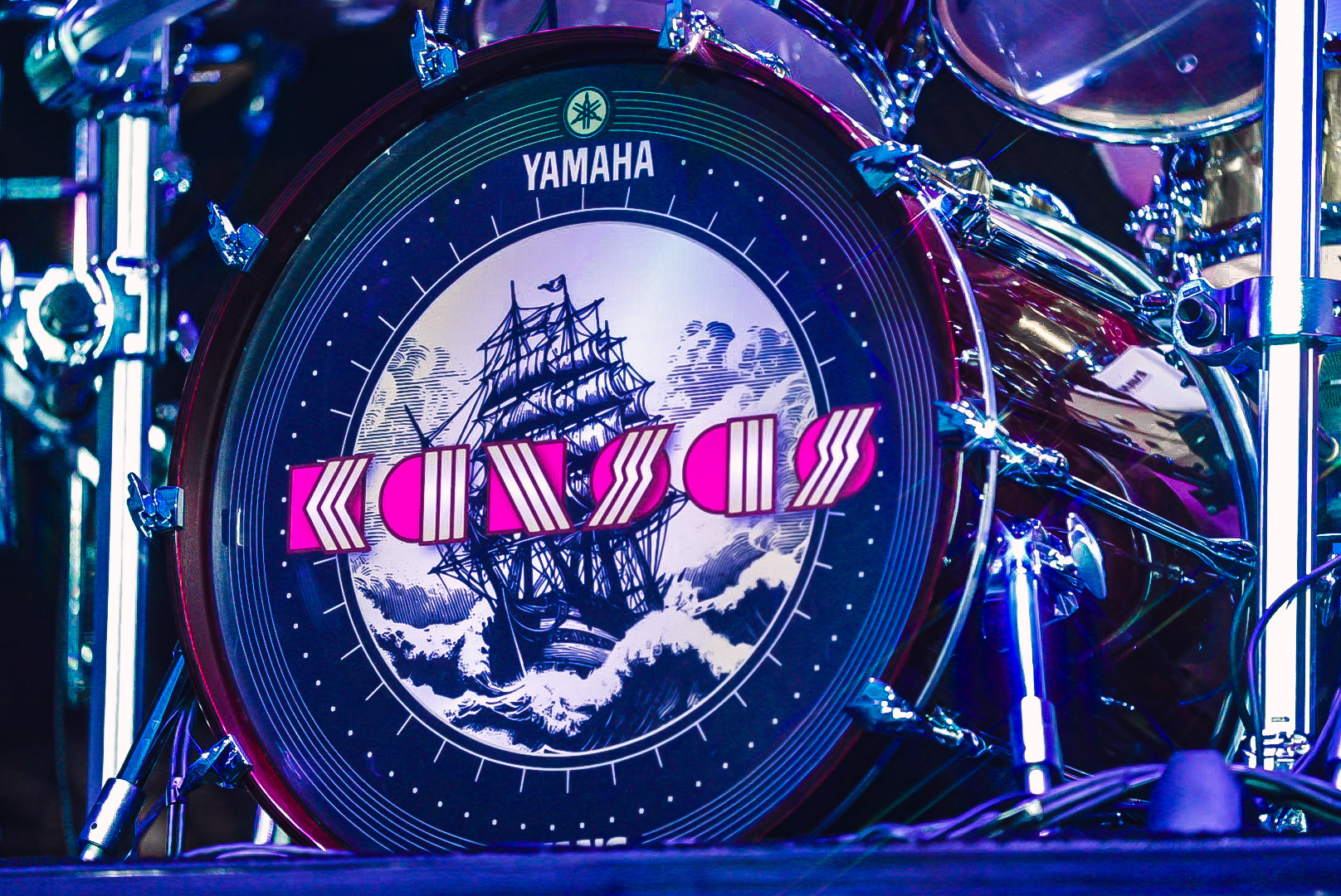
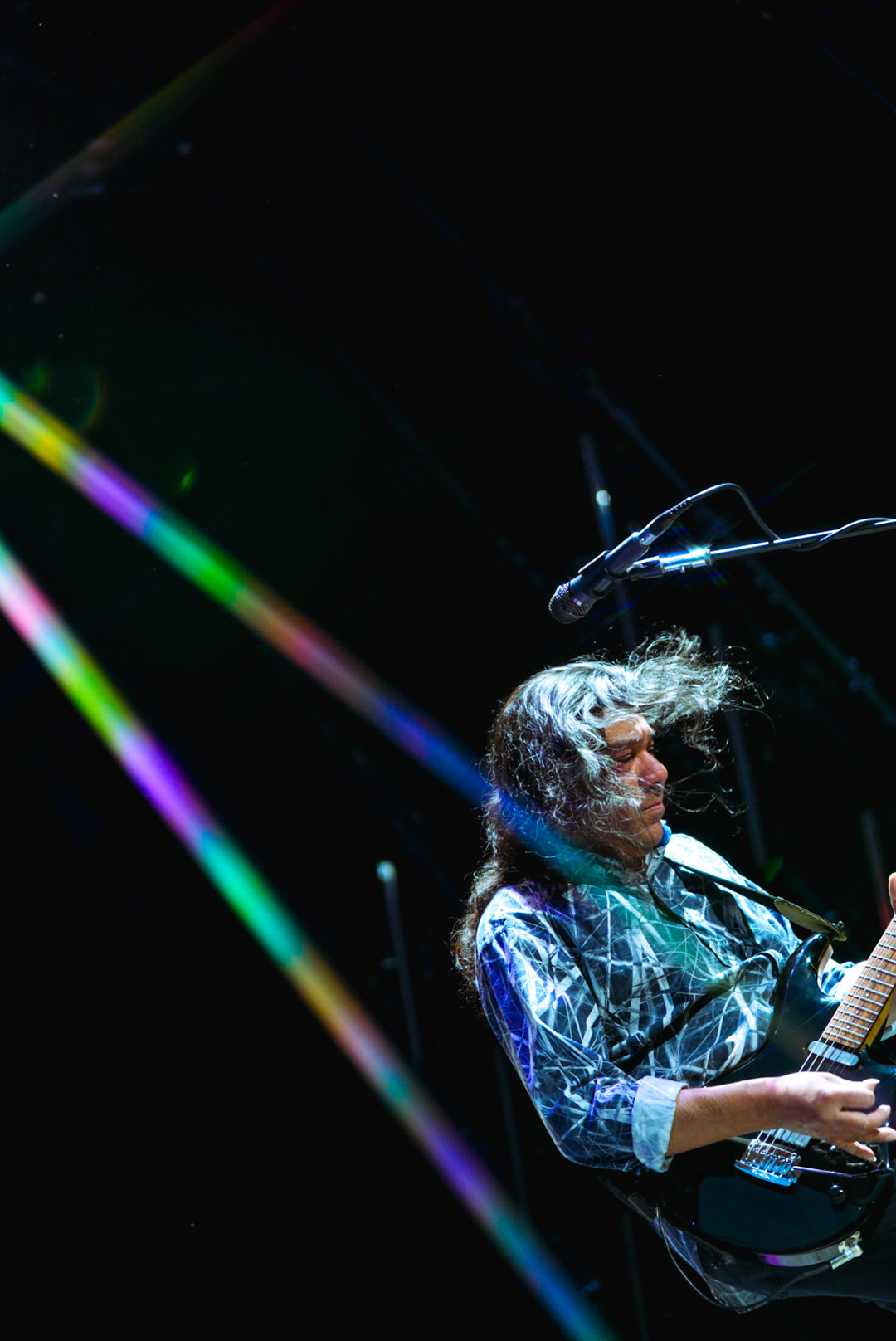
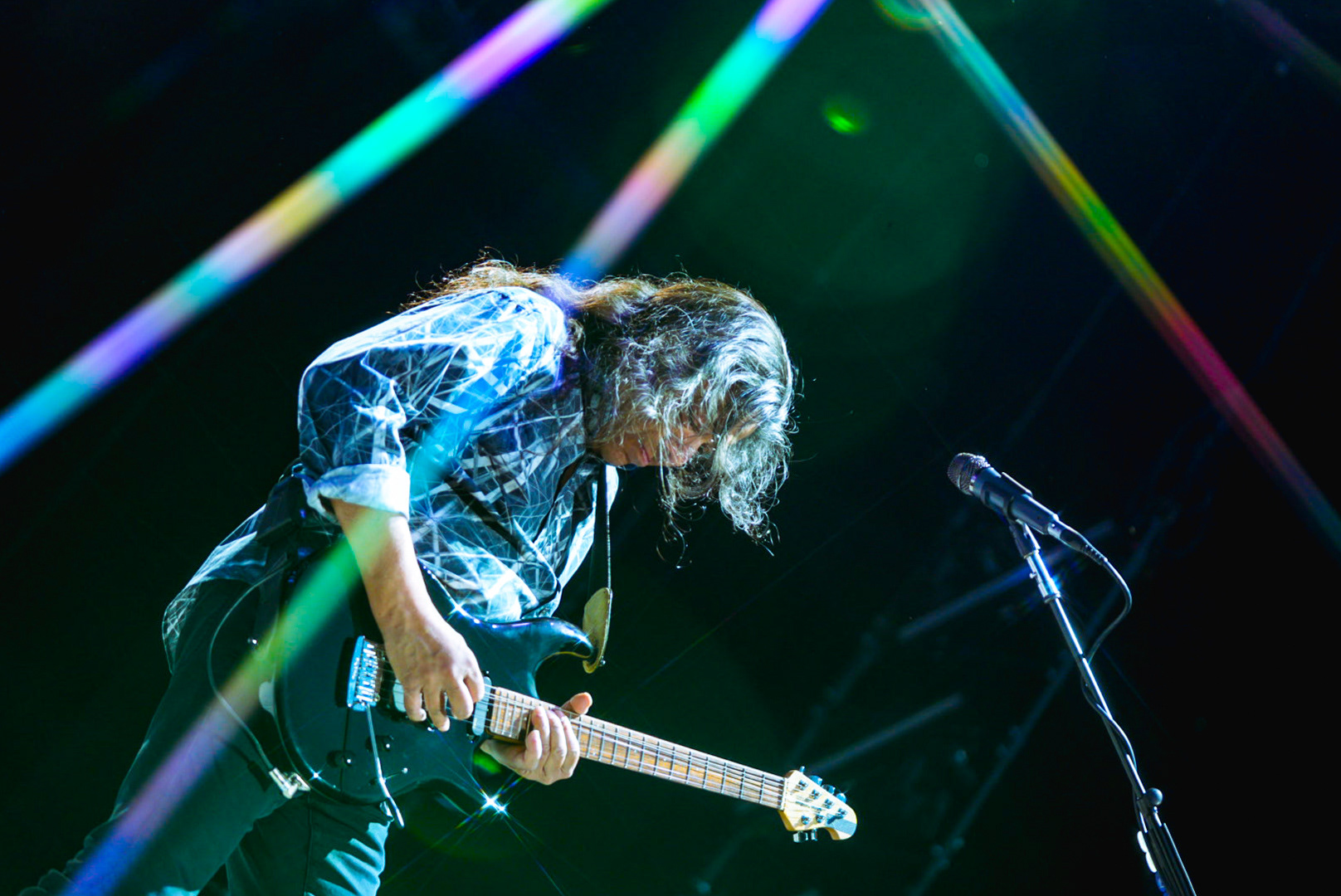
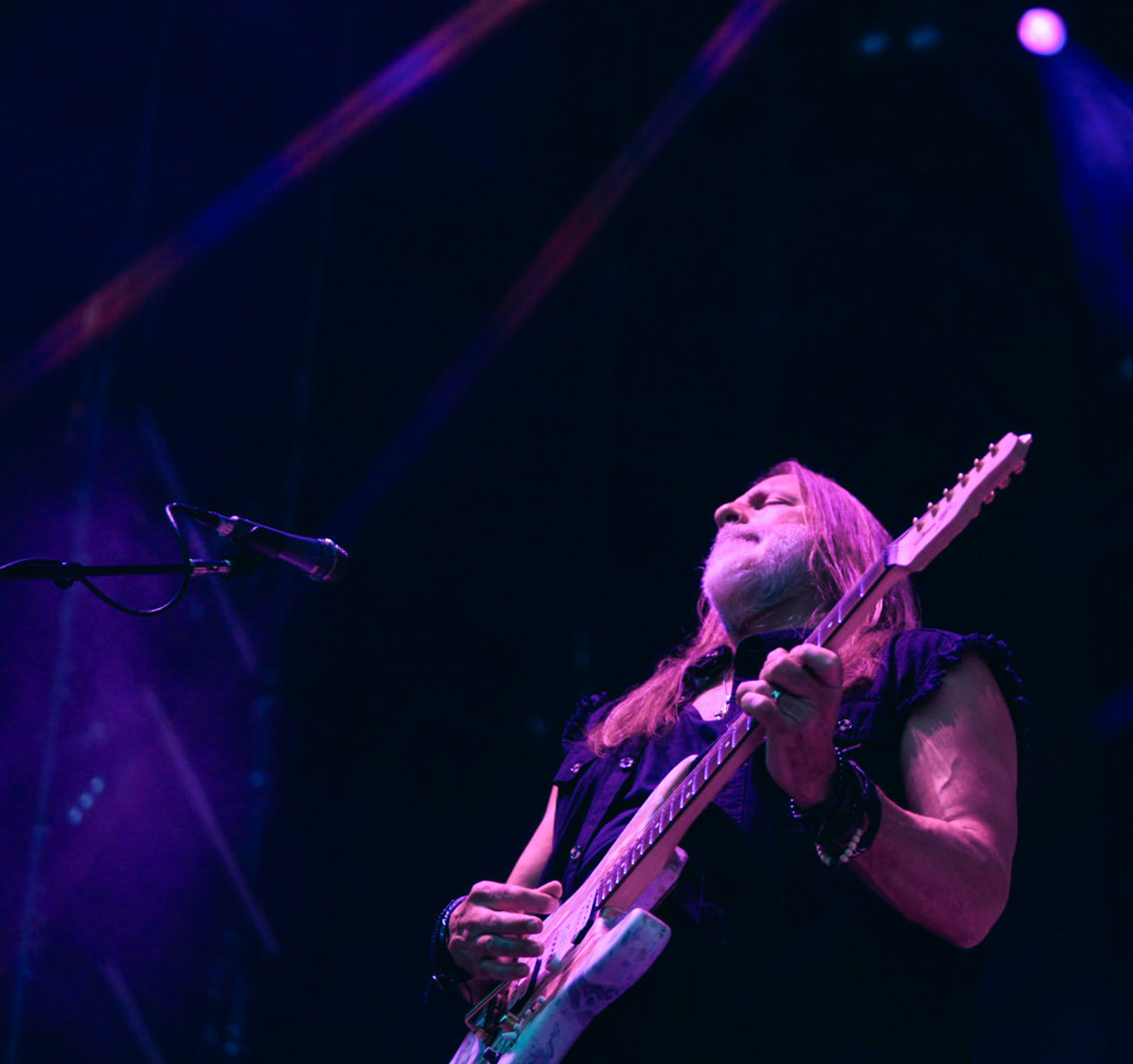
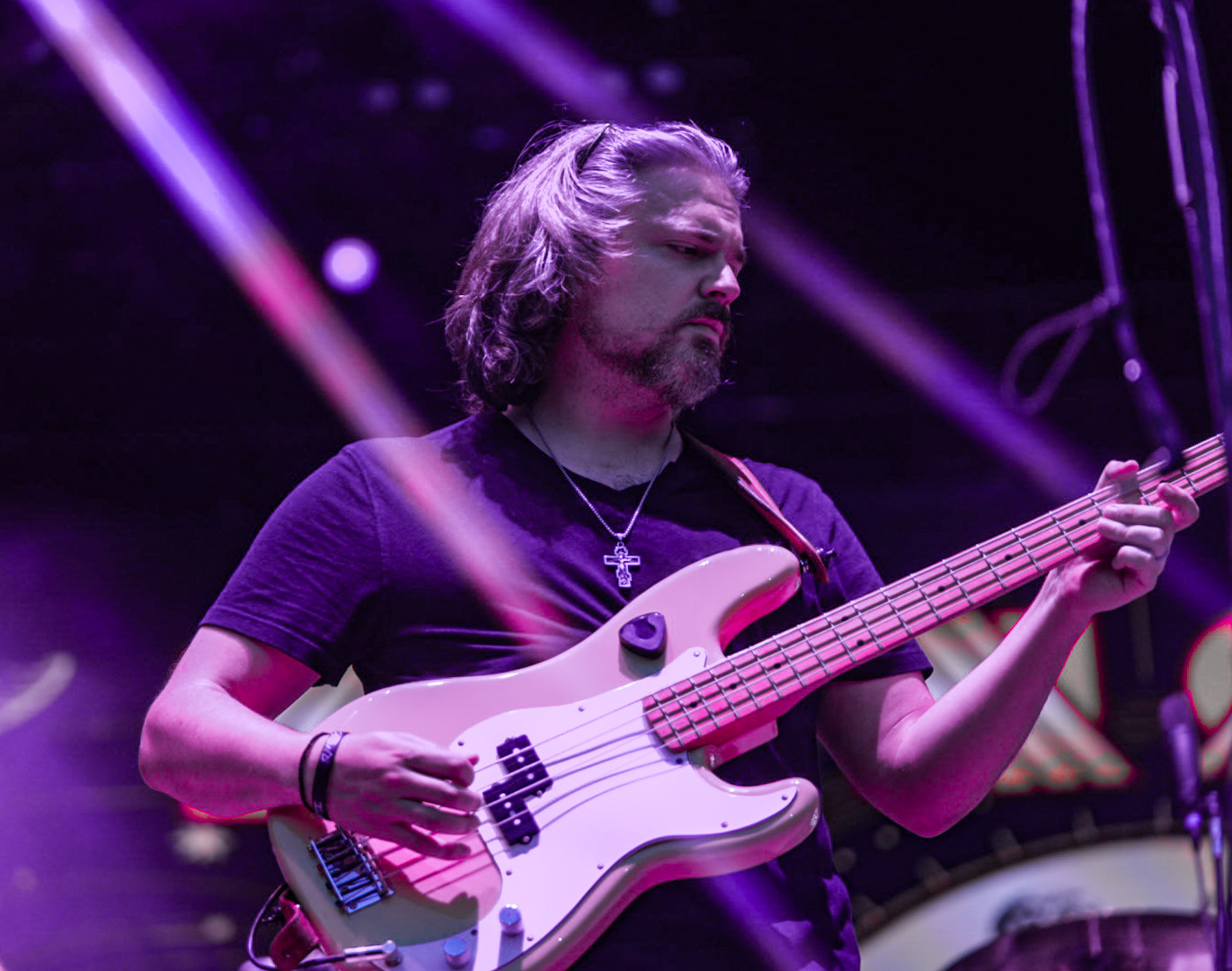
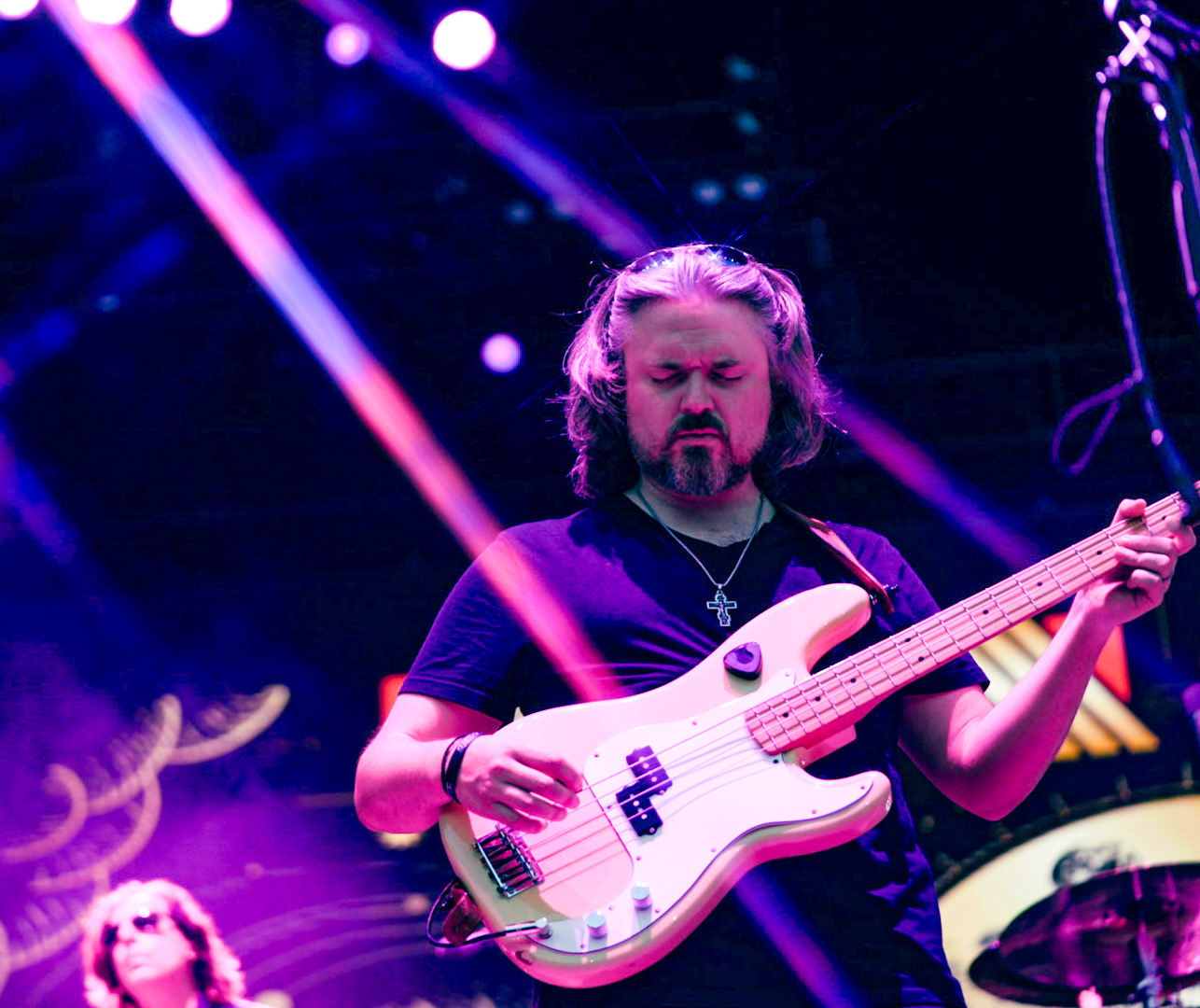
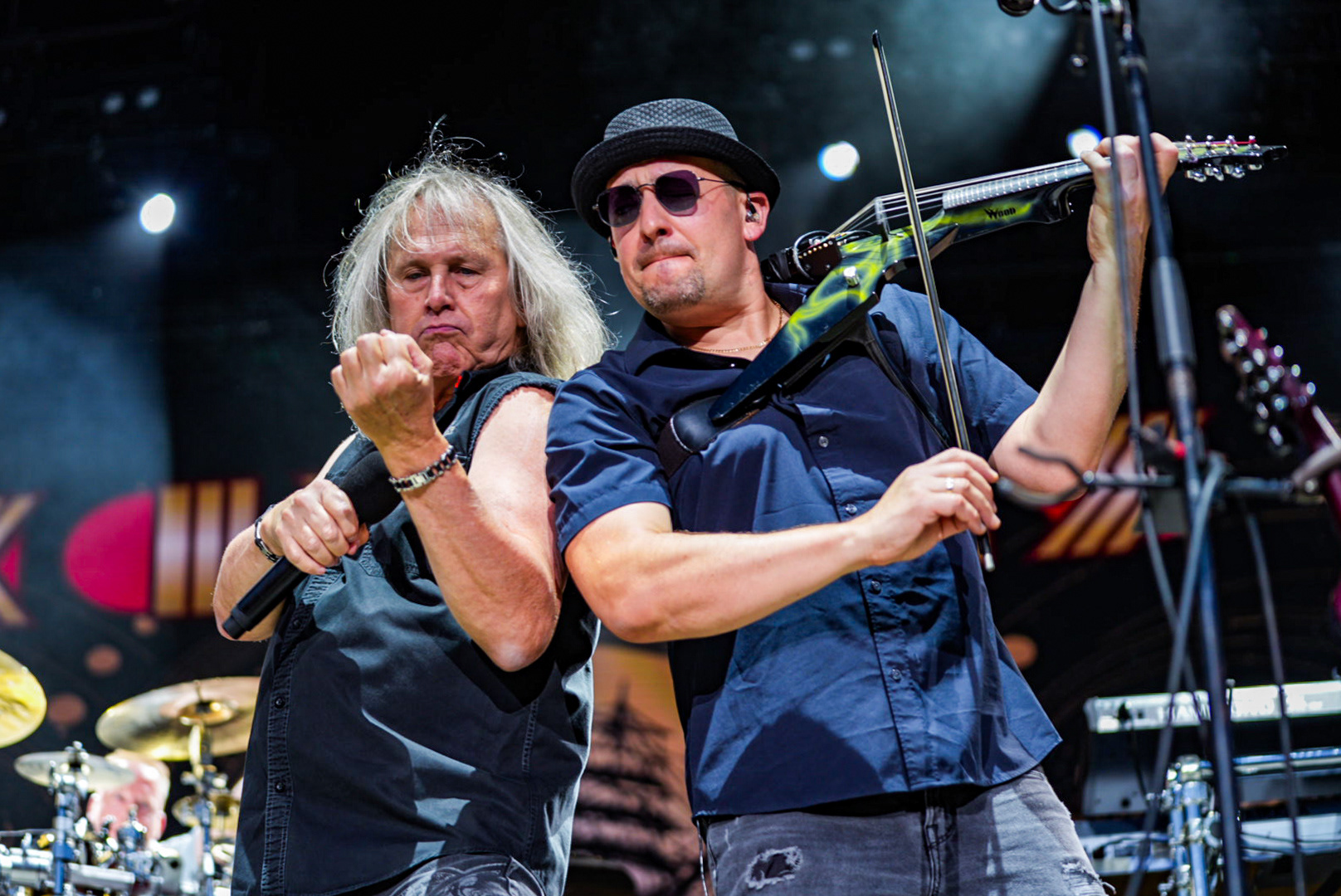
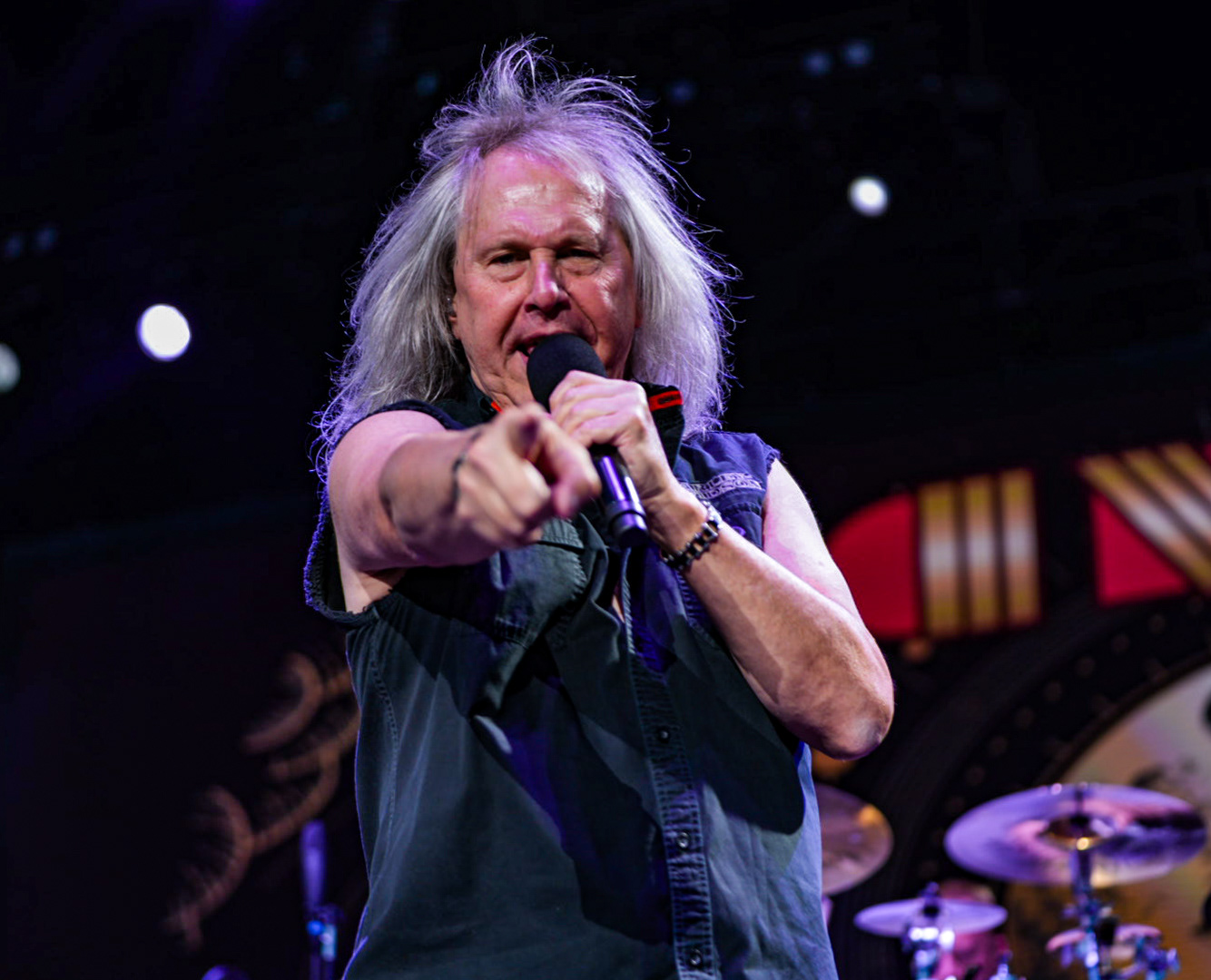
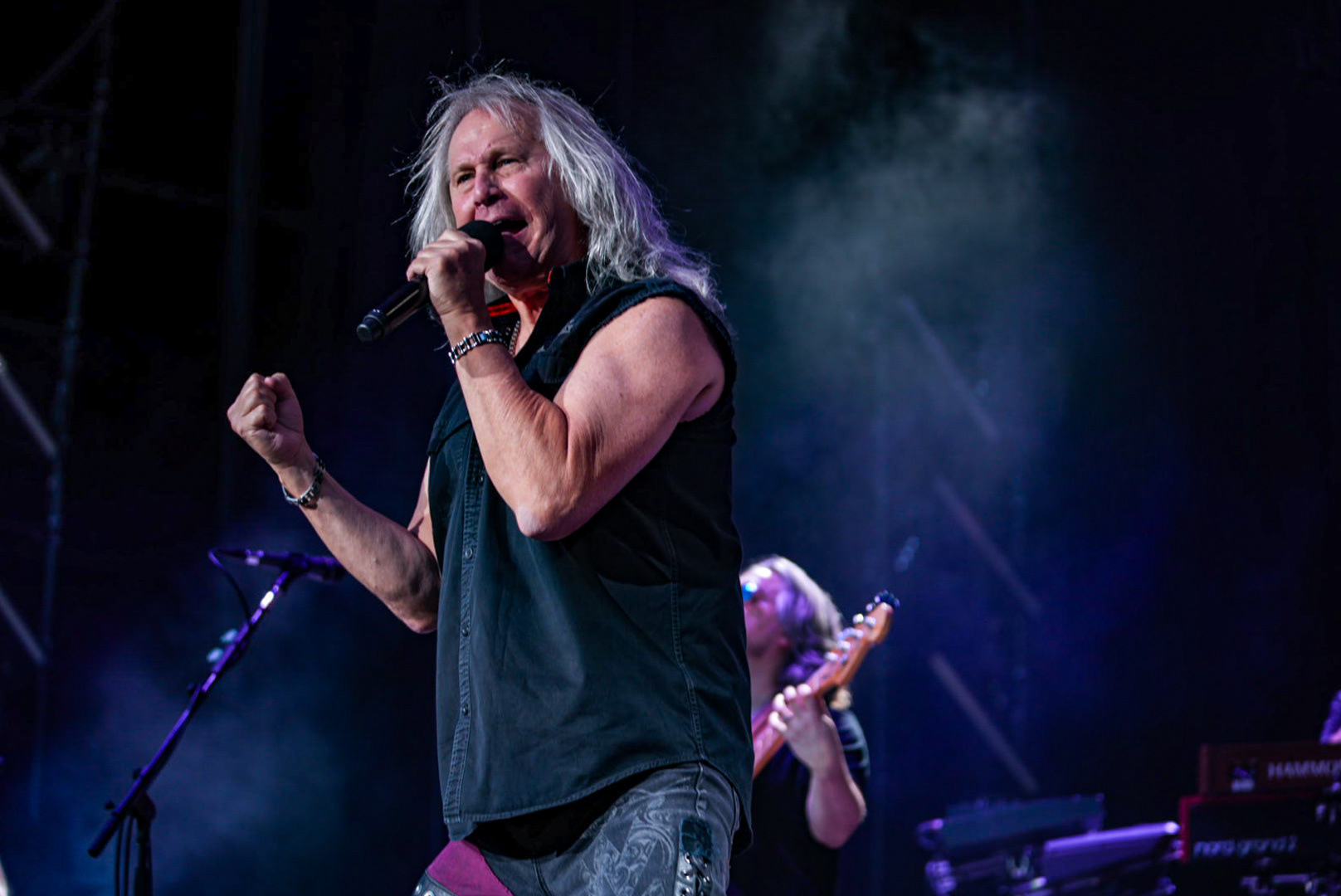
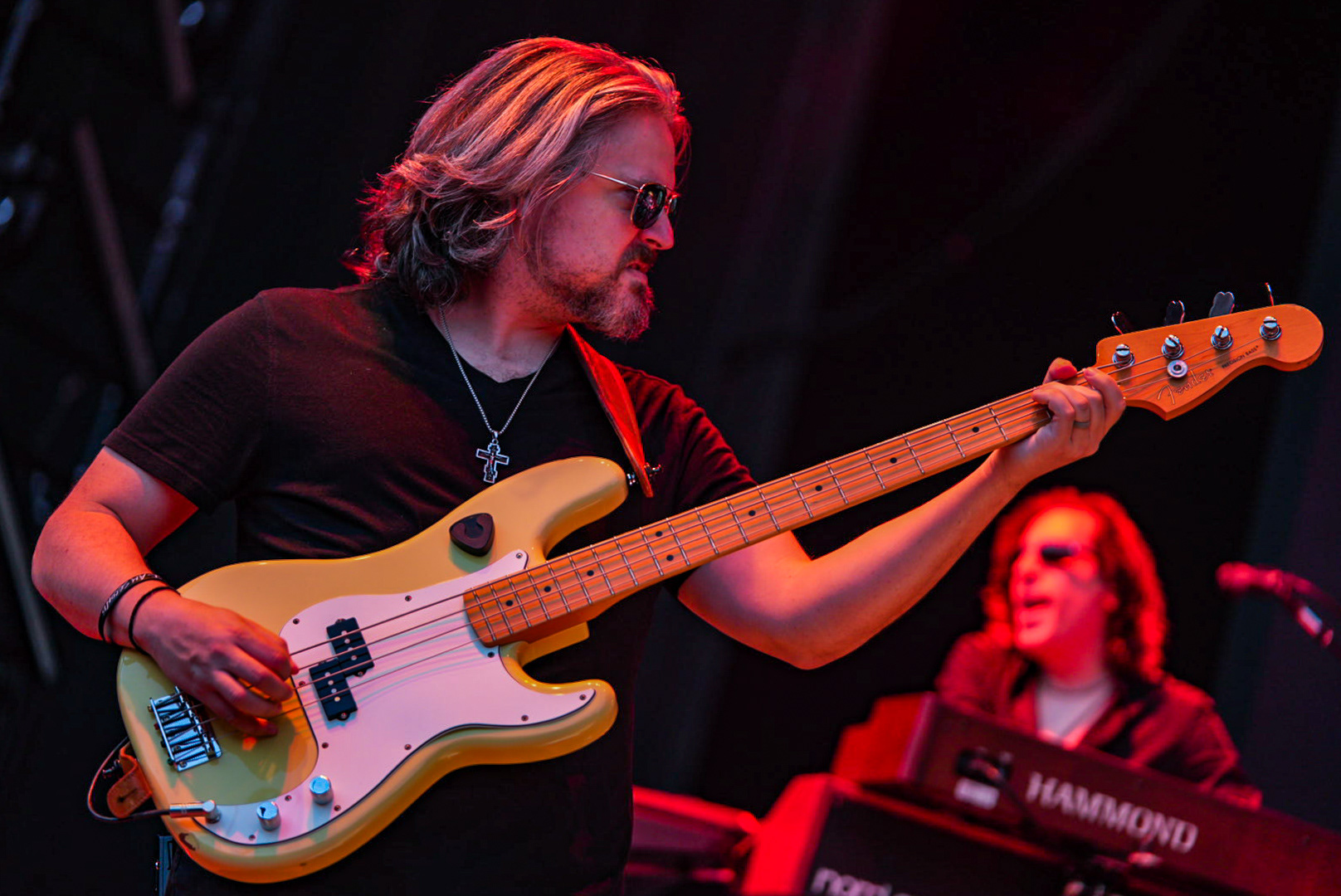
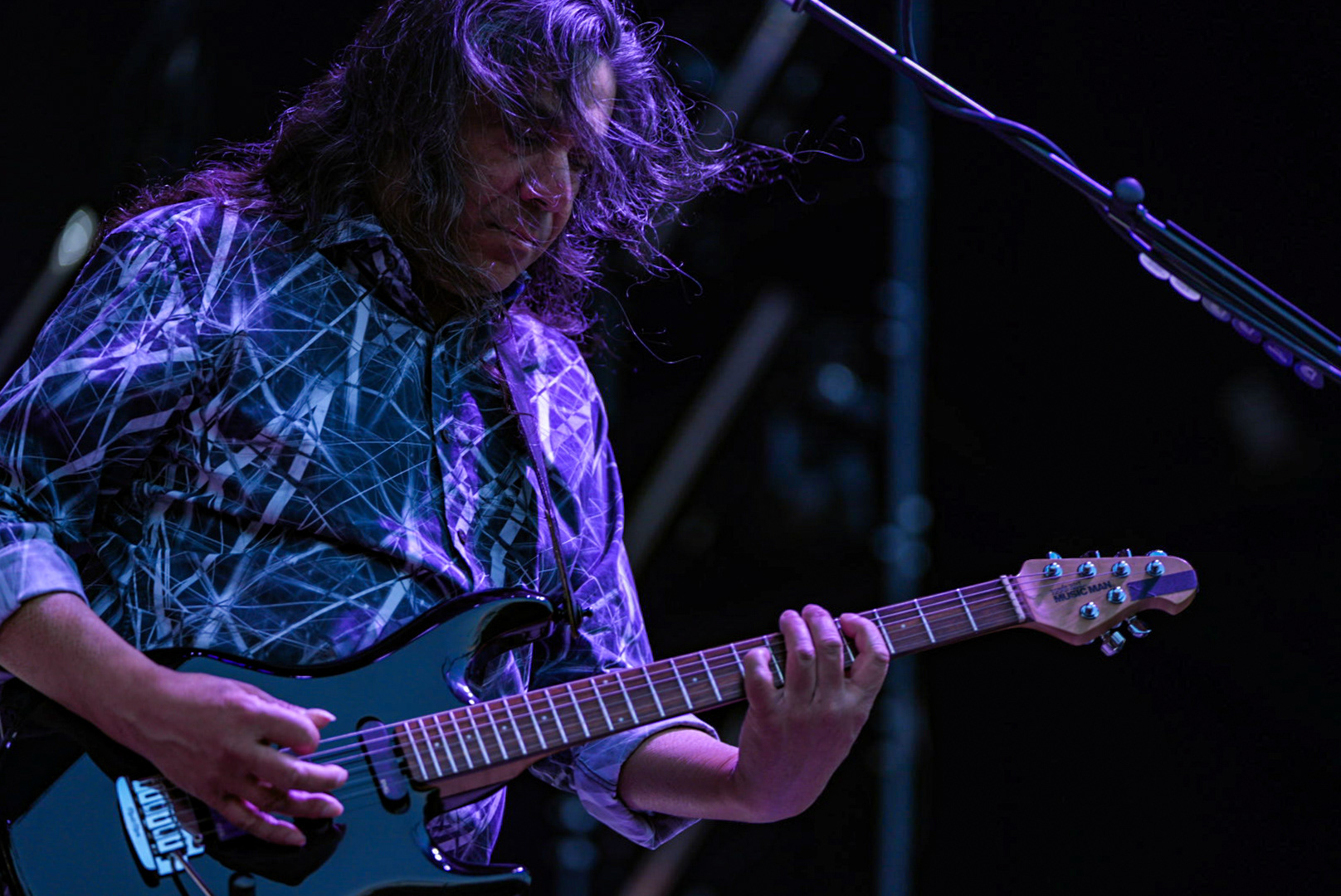
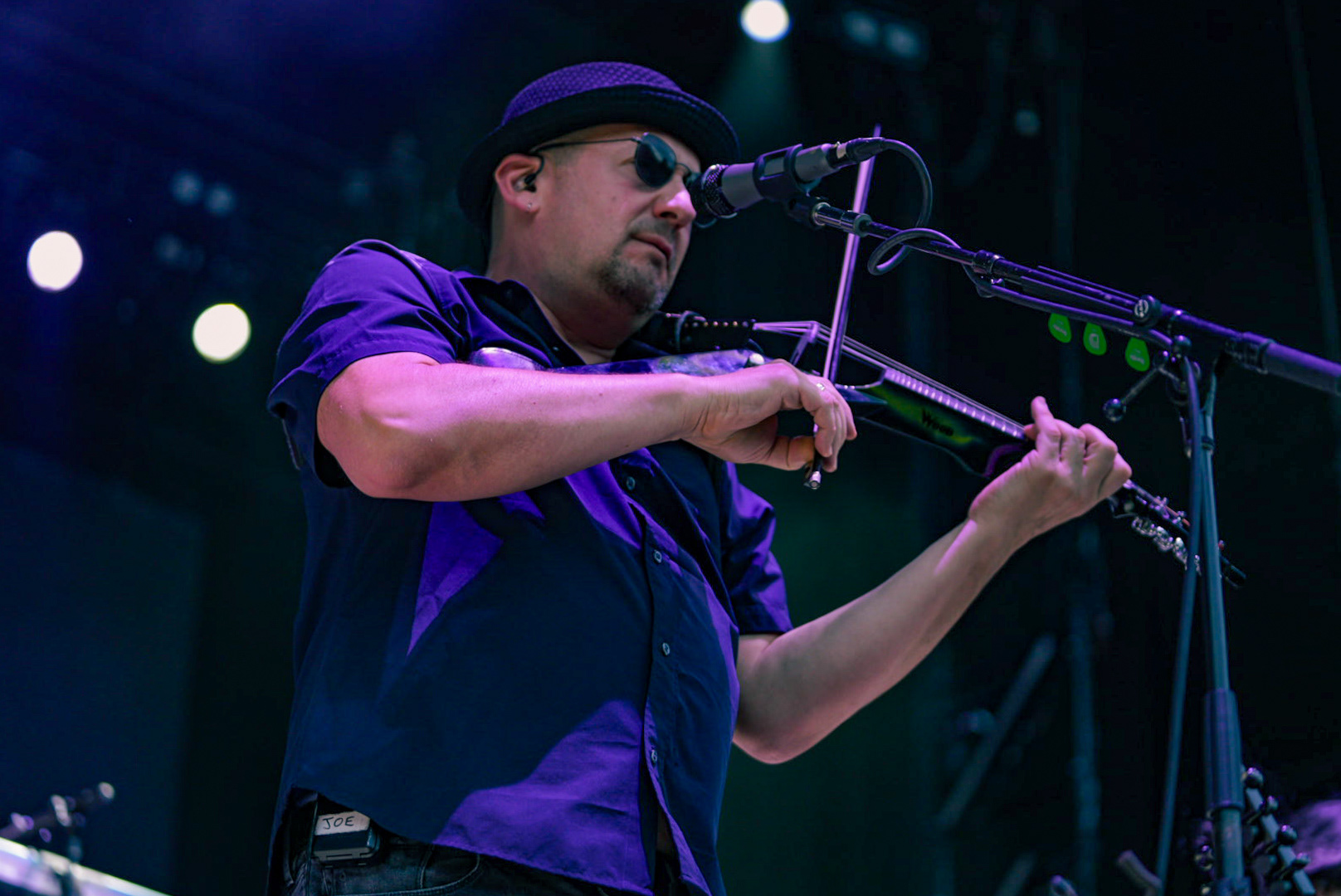
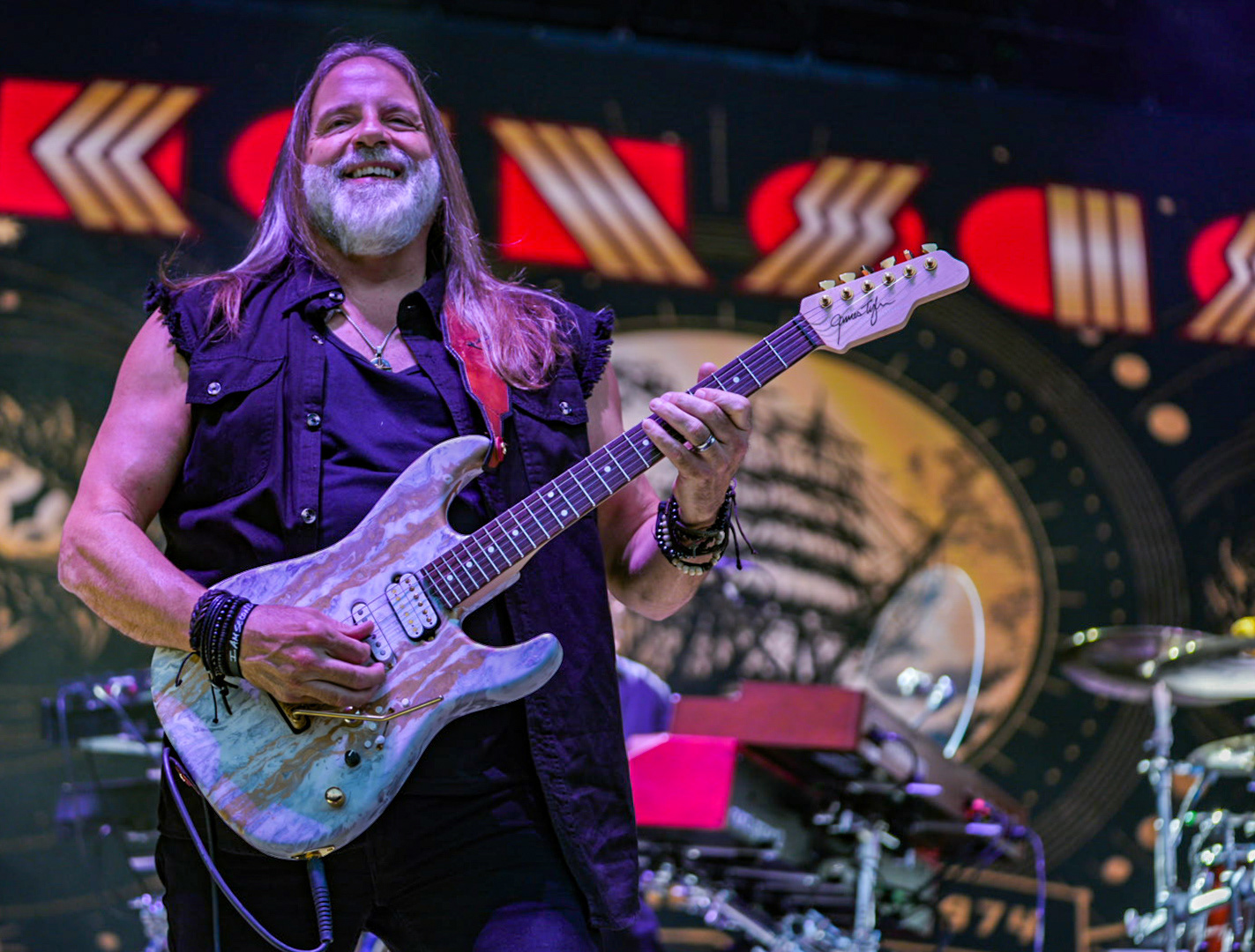
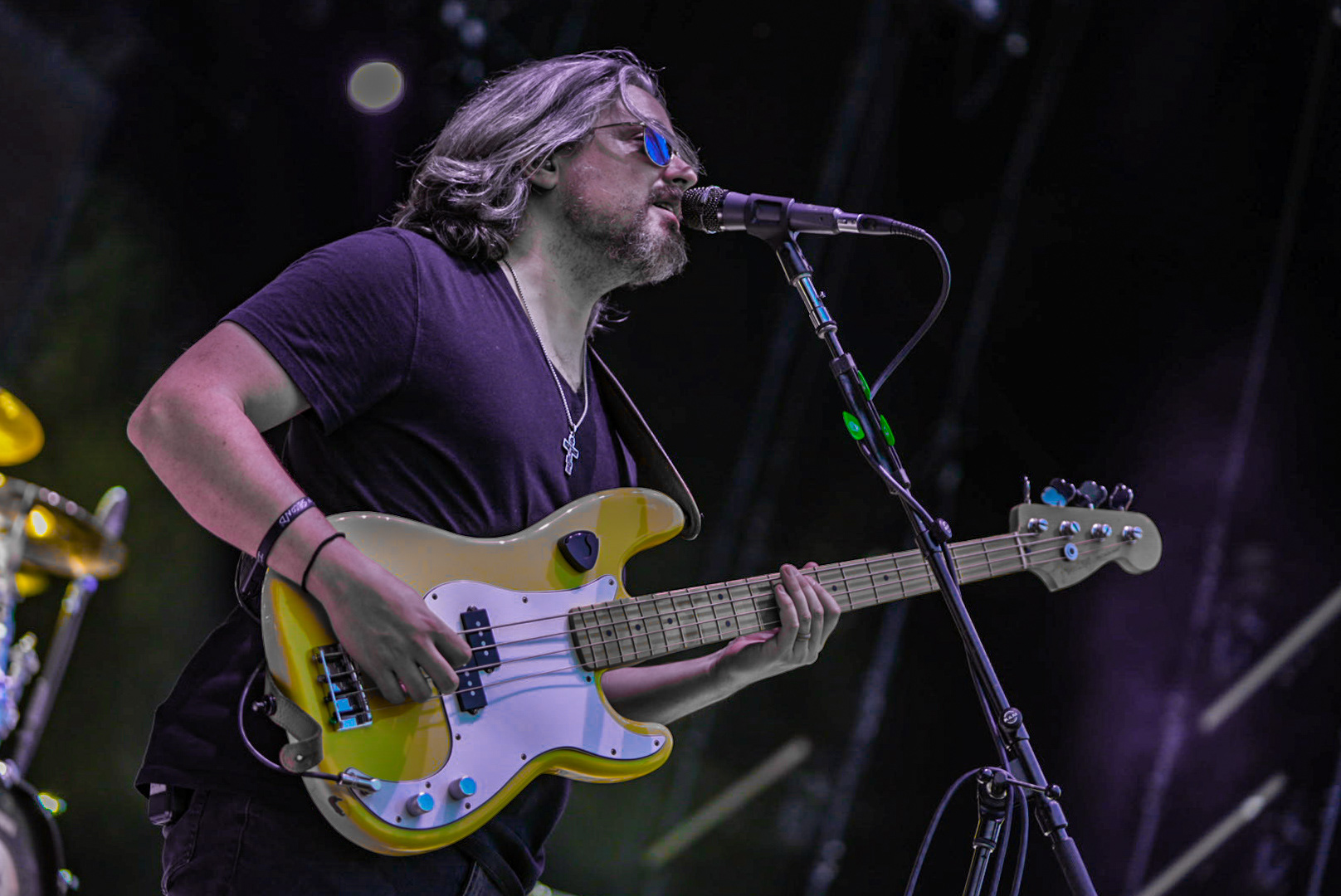
On a warm September night in Chula Vista, Kansas and Deep Purple turned North Island Credit Union Amphitheater into something less like a stop on a legacy rock tour and more like a living museum with the electricity still running through the walls. Two distinctly different strains of classic rock shared the bill: Kansas with its ornate, restless fusion of progressive rock and Americana, and Deep Purple with the kind of heavy metal DNA that still sounds capable of rattling the foundations.
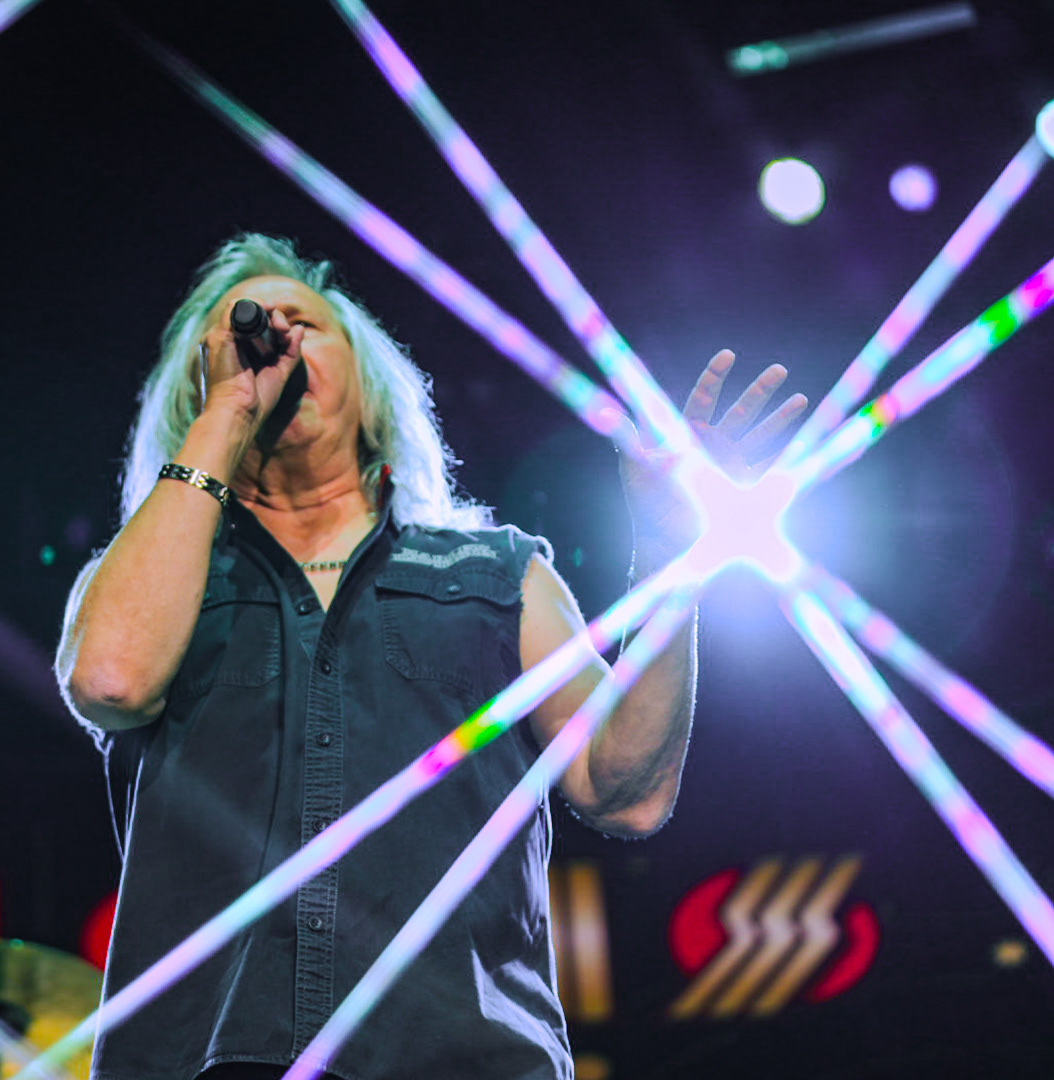
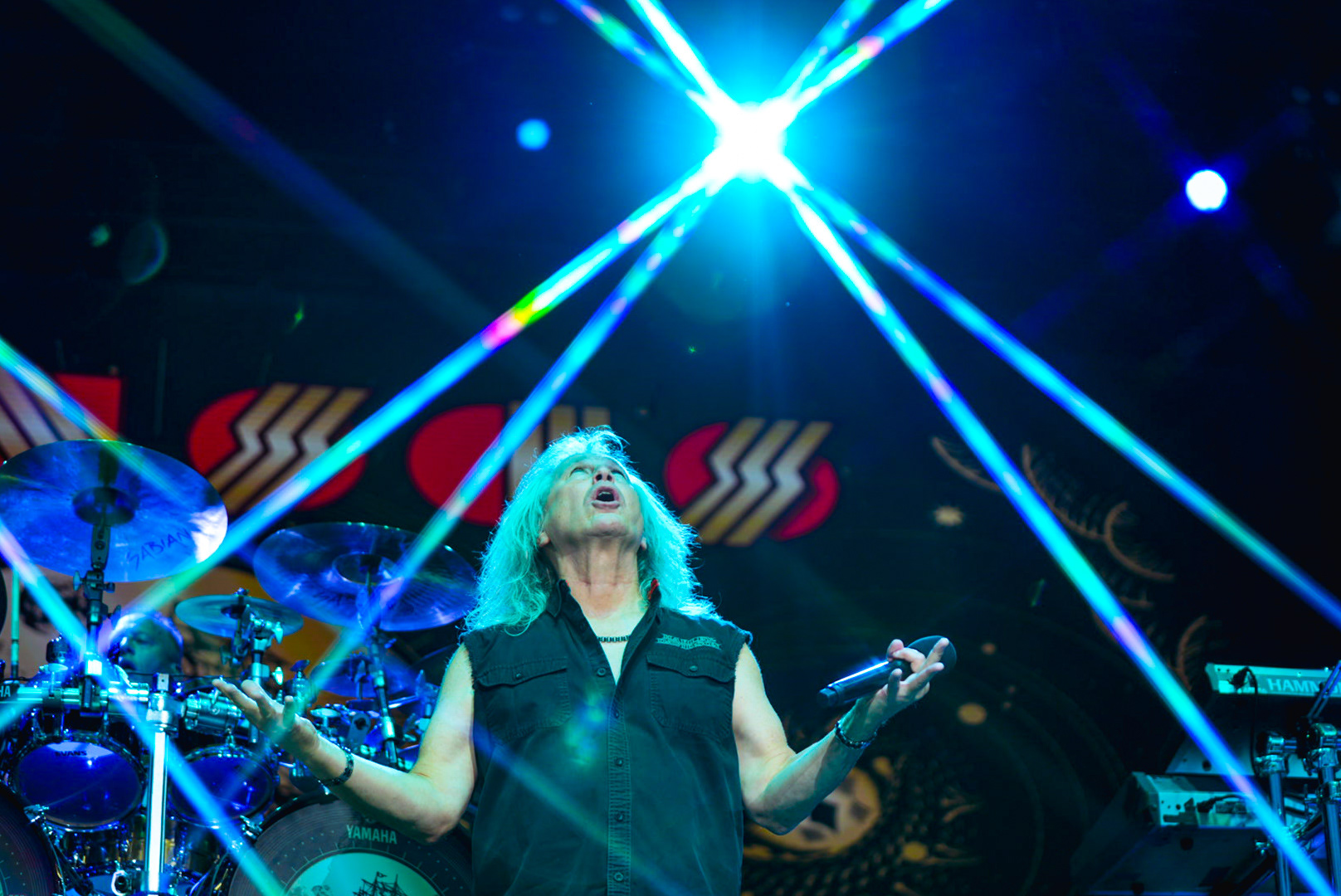
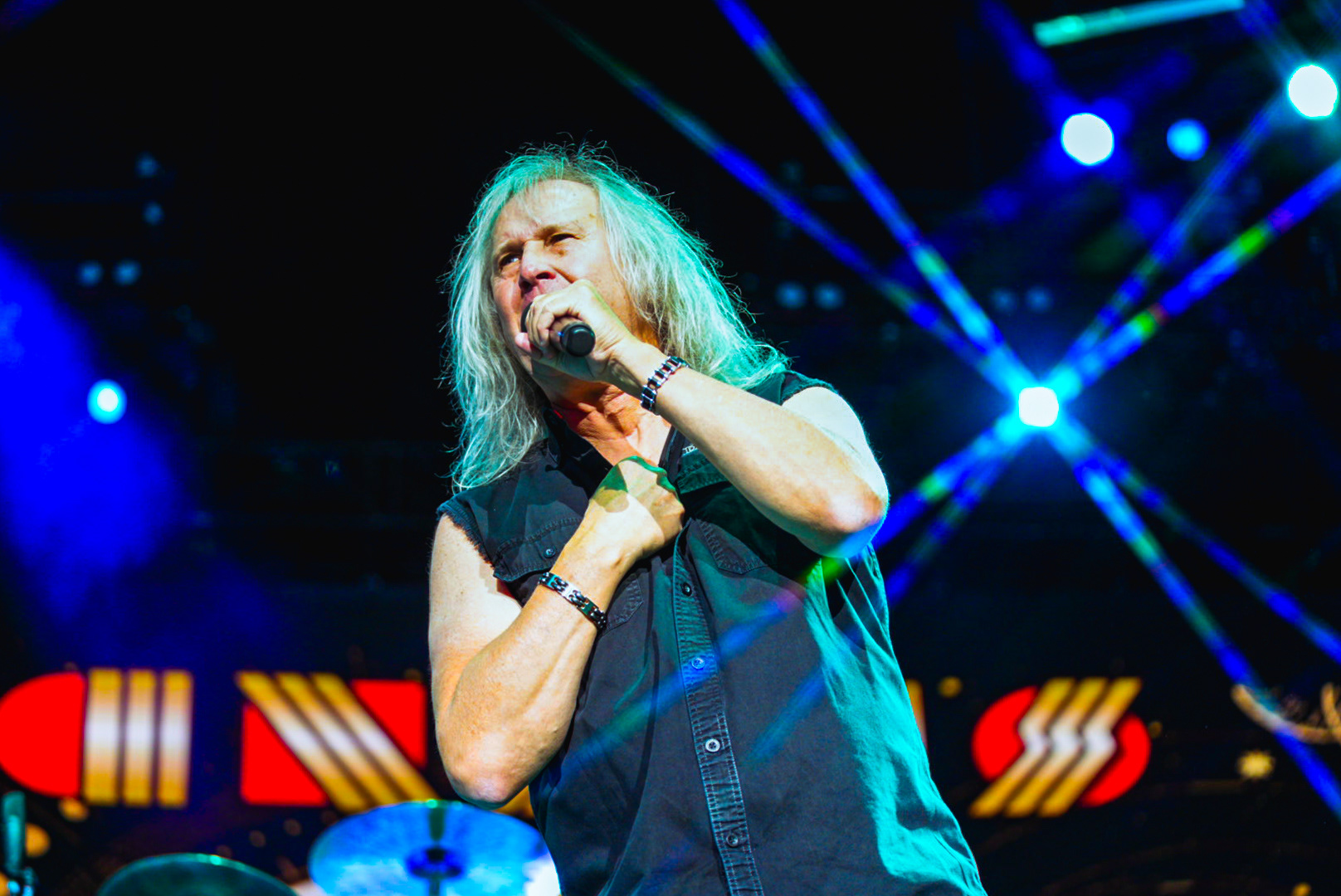
Kansas opened the evening by reaching immediately for the ambitious stuff. “Point of Know Return” arrived with the precision of a band that understands that progressive rock was never supposed to be background music. The song's intricate architecture gave way to the darker, more muscular “Paradox,” followed by “Child of Innocence” and “Jets Overhead.”
The sequencing was telling. Rather than sprinting toward the obvious hits, Kansas allowed the set to breathe to remind the crowd that their legacy wasn't built on one radio staple but on songs that could stretch, turn corners and occasionally disappear down strange musical alleyways before finding their way home.
“The Wall” brought a more reflective weight, while “Song for America” expanded the stage into something almost cinematic. Kansas has always had a peculiar ability to make American imagery feel enormous without becoming completely swallowed by sentimentality. Here, the combination of soaring melodies and intricate musicianship made the material feel surprisingly immediate.
Then came the inevitable moment.
“Dust in the Wind” reduced an enormous amphitheater to a remarkably intimate room.
The opening notes triggered the sort of audience reaction that only a song embedded this deeply in popular culture can produce. Phones appeared throughout the crowd, voices rose from the seats, and for a few minutes the progressive rock machinery gave way to something much simpler: a song about impermanence that has itself somehow refused to disappear.
Kansas followed it with “Hold On,” “Down the Road” and “Portrait (He Knew),” keeping the set balanced between the familiar and the deeper cuts. “Miracles Out of Nowhere” was another reminder of just how technically sophisticated this material remains, its shifting dynamics and layered arrangements sounding considerably more adventurous than the term "classic rock" tends to imply.
And then, naturally, there was “Carry On Wayward Son.”
The song has been played so many times, in so many places, that it would be easy for a band to treat it like a contractual obligation. Kansas didn't. The finale landed as a genuine celebration, the entire amphitheater recognizing every turn of the song before the final notes disappeared into the night.
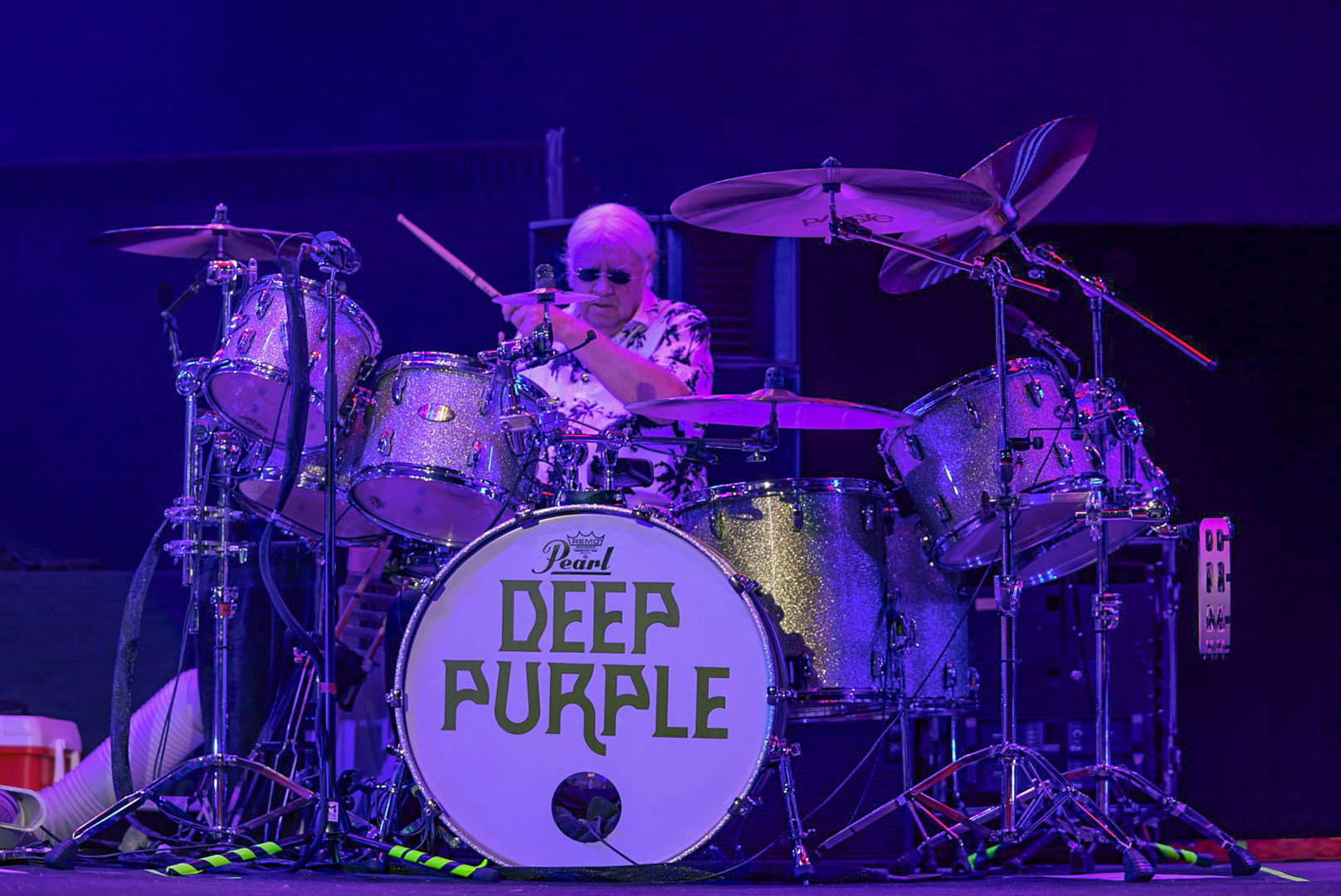
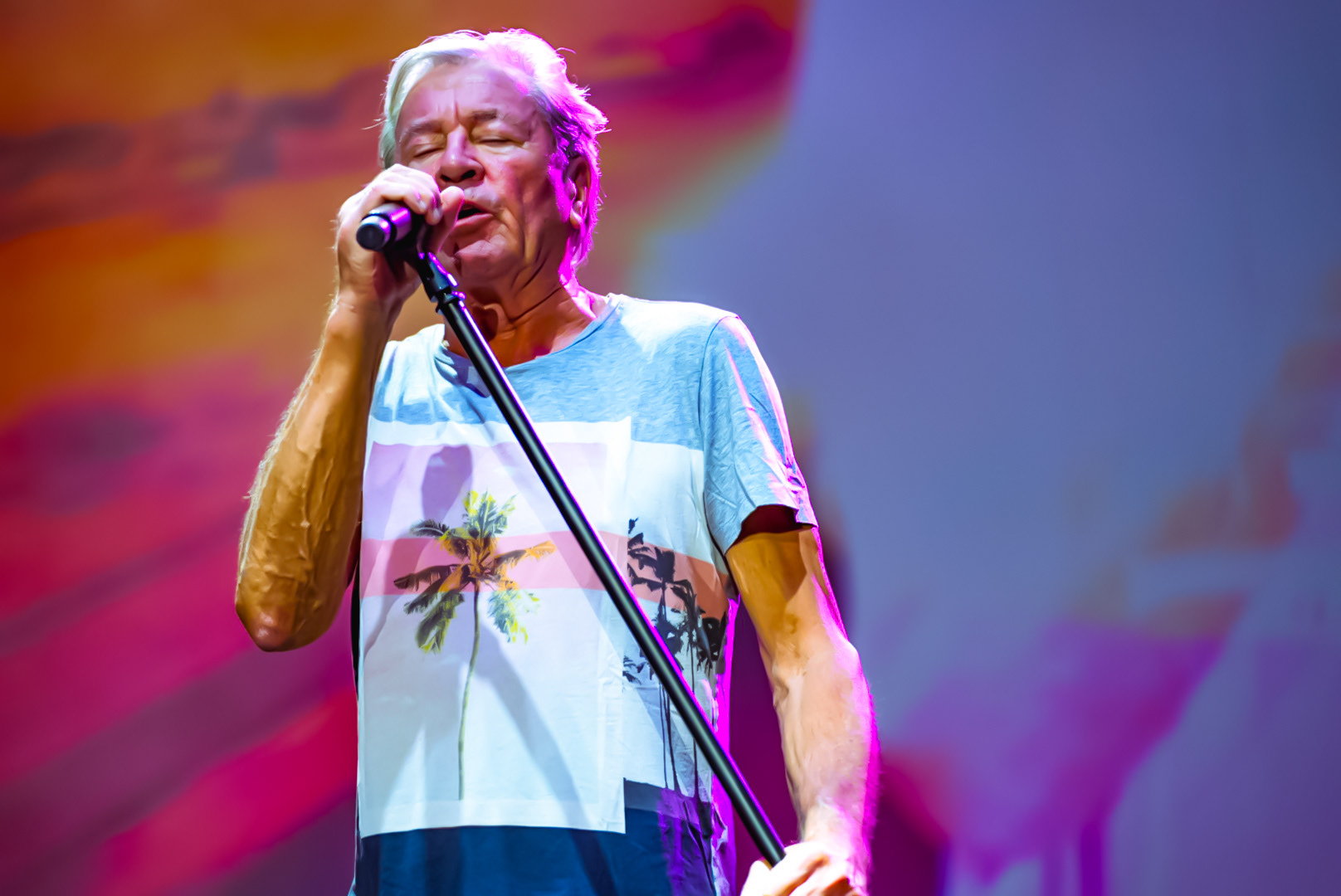
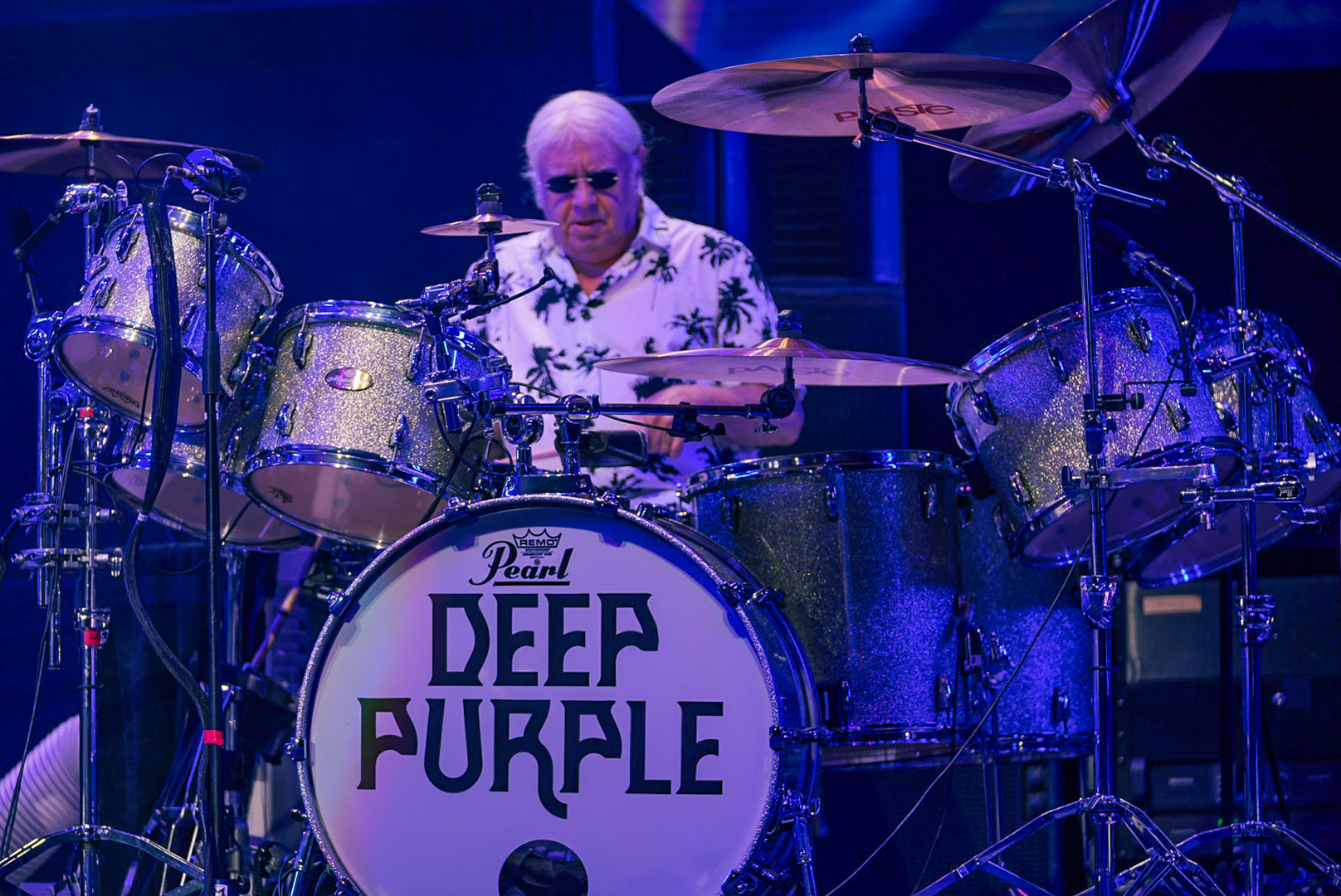
Then came Deep Purple.
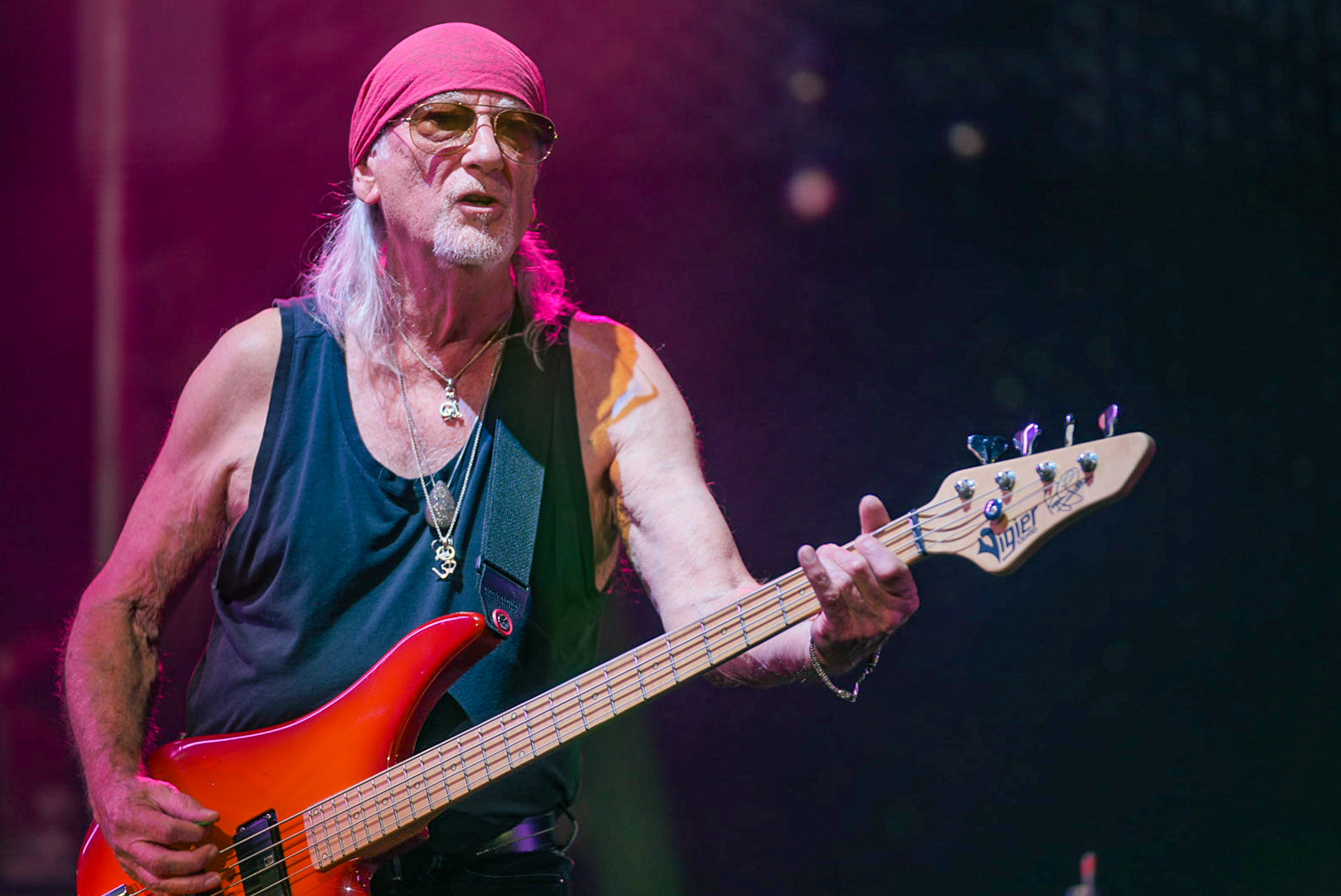
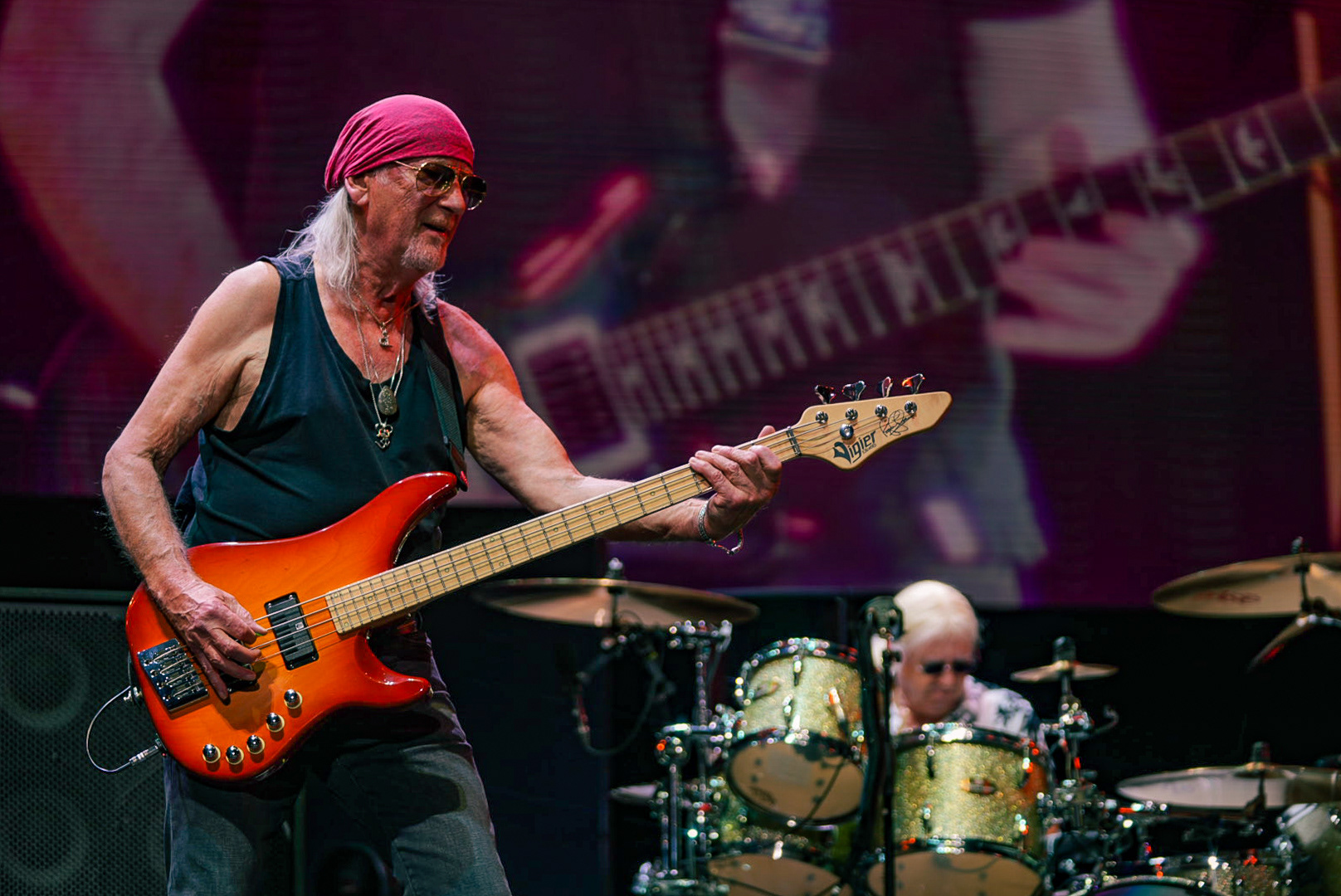
If Kansas approached classic rock like architecture, Deep Purple approached it like demolition.
“Highway Star” exploded out of the gate with virtually no interest in easing anyone into the evening. The song remains an absurdly effective piece of hard-rock engineering: fast, loud and built around musicianship that borders on competitive sport.
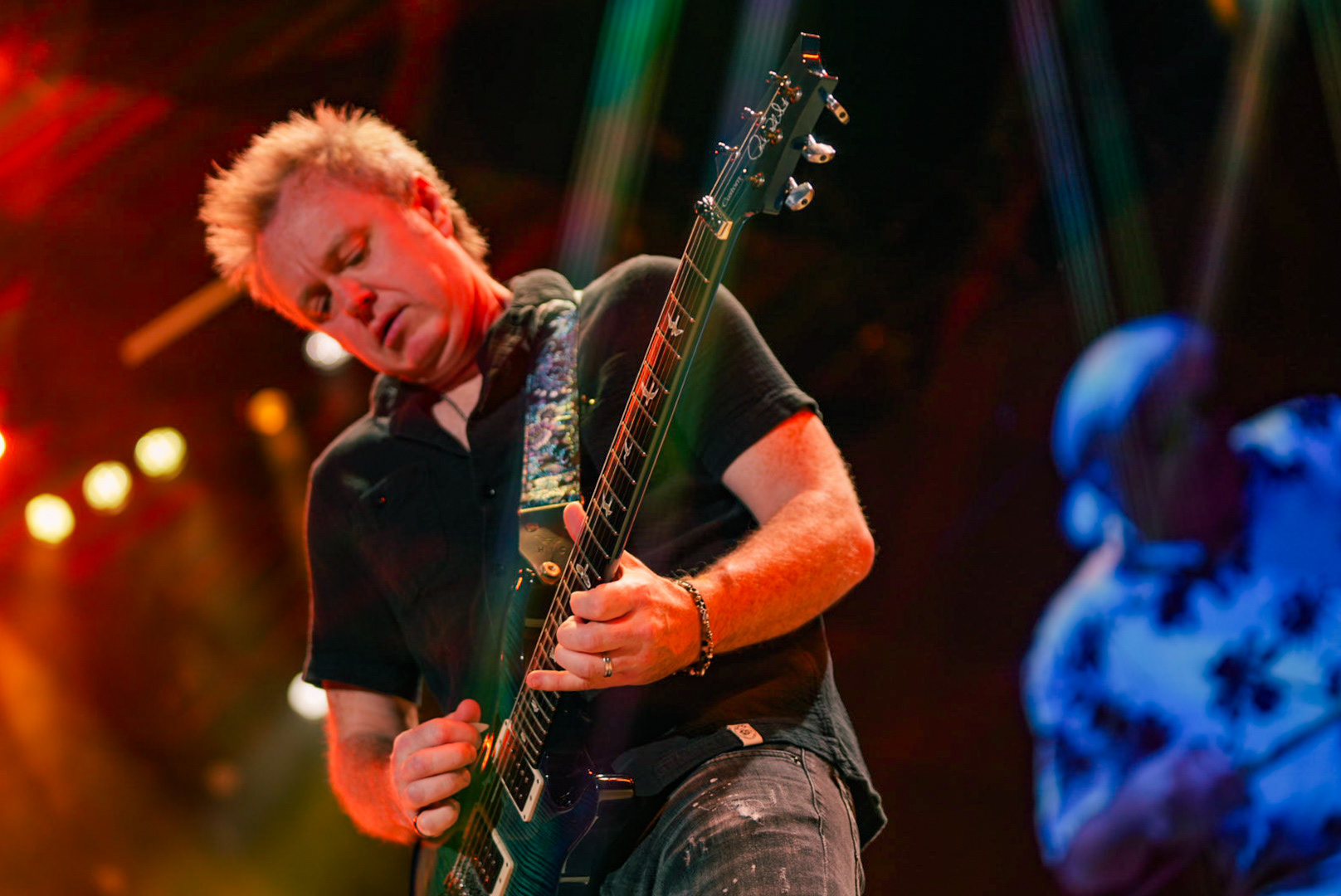
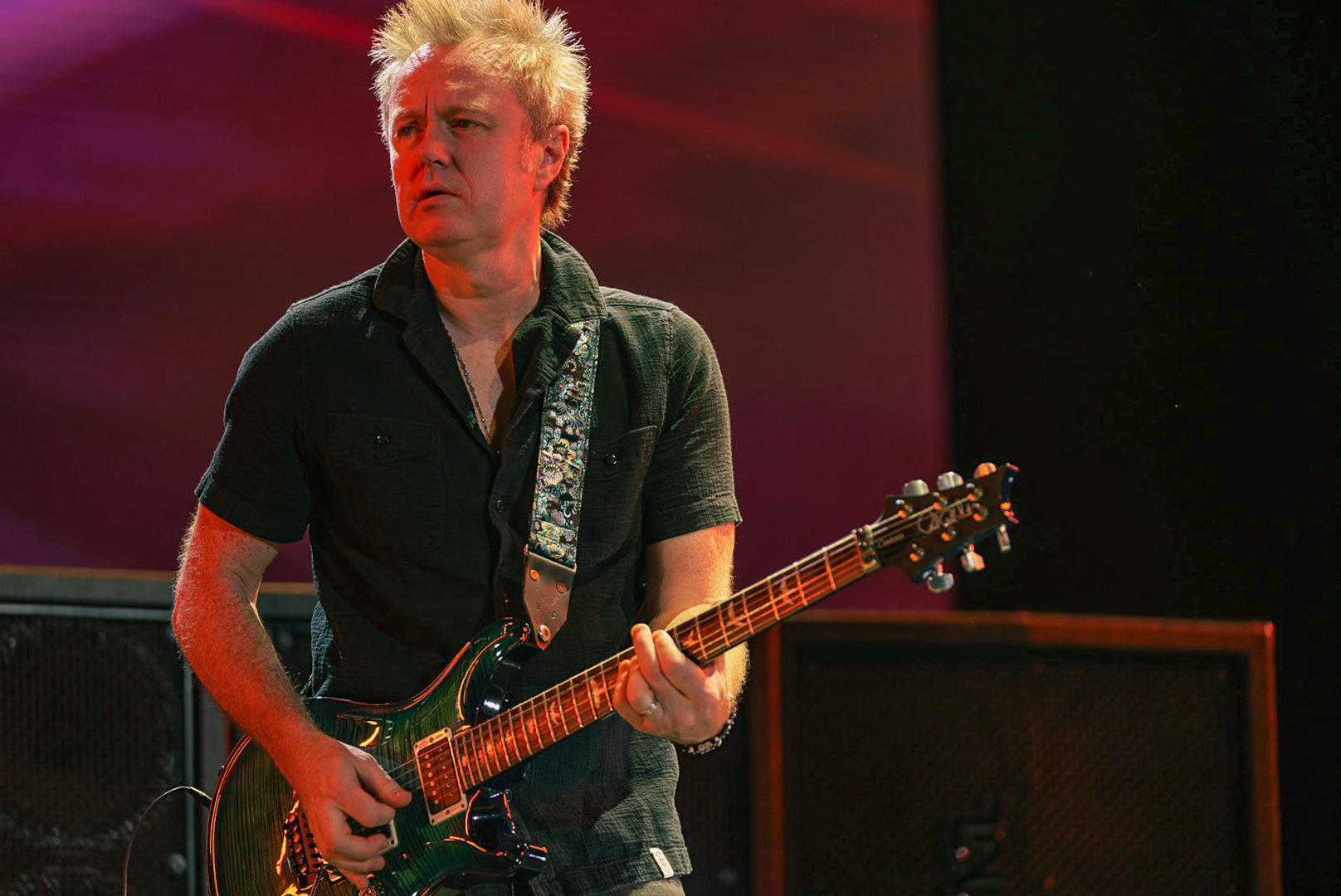
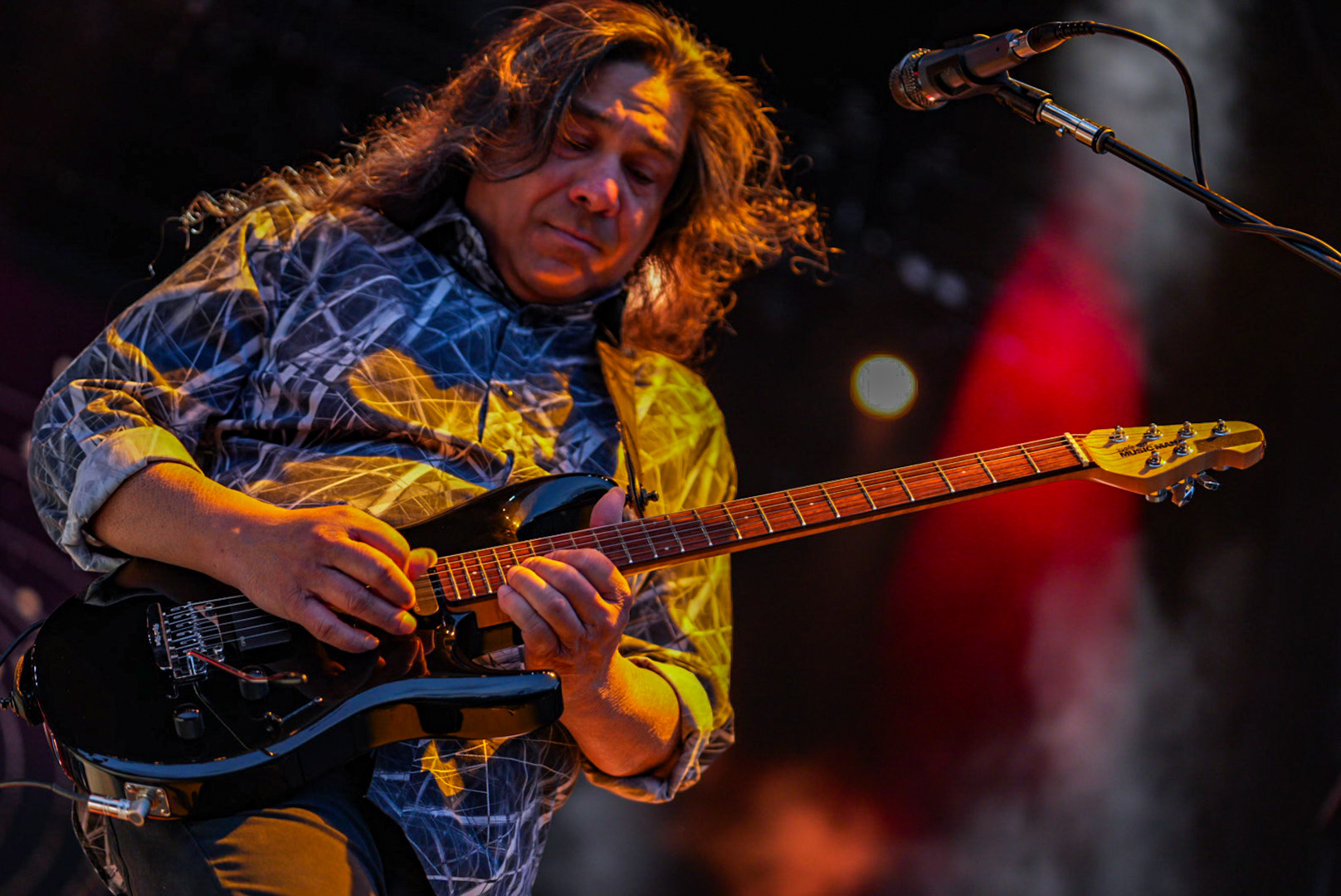
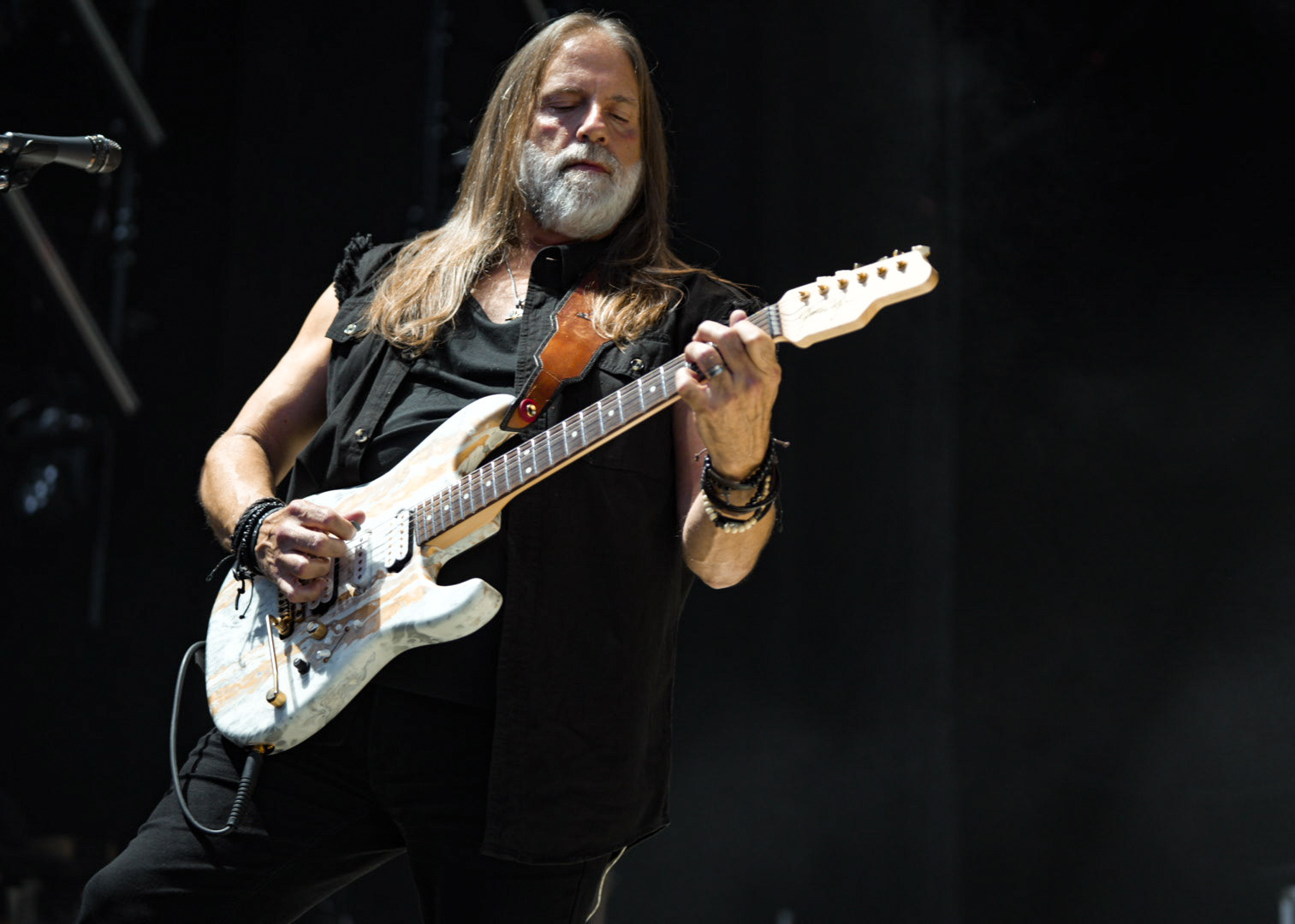
“A Bit on the Side” and “Into the Fire” kept the pressure high before the band handed the stage over for a guitar solo. It was an old school move, unapologetically so. Deep Purple has never been particularly interested in pretending that virtuosity is uncool.
Then came “Arrogant Boy” and “Lazy Sod,” both demonstrating that the band isn't merely replaying a greatest hits script. There is still a sense of movement here a willingness to place newer material alongside the songs that established their mythology.
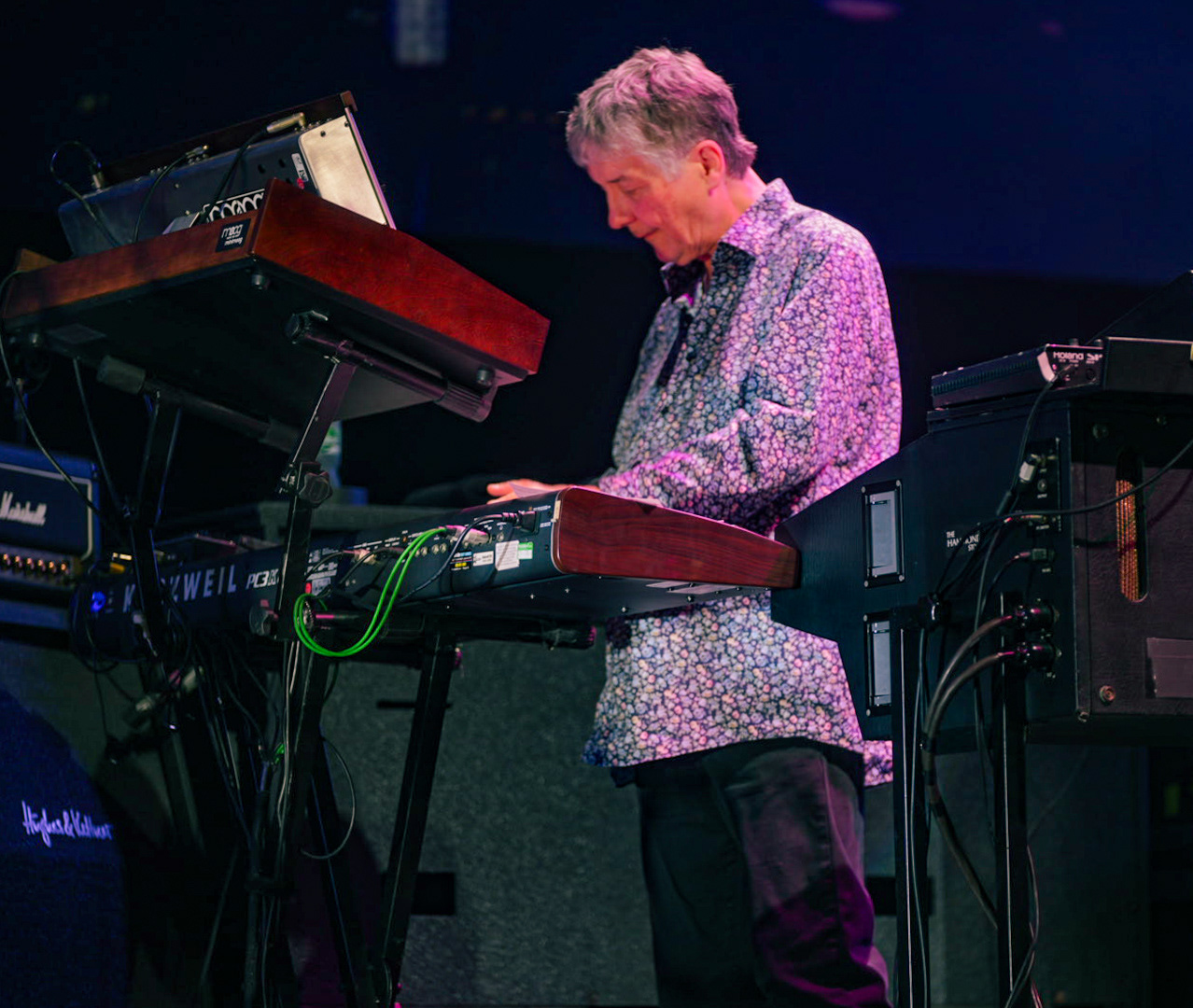
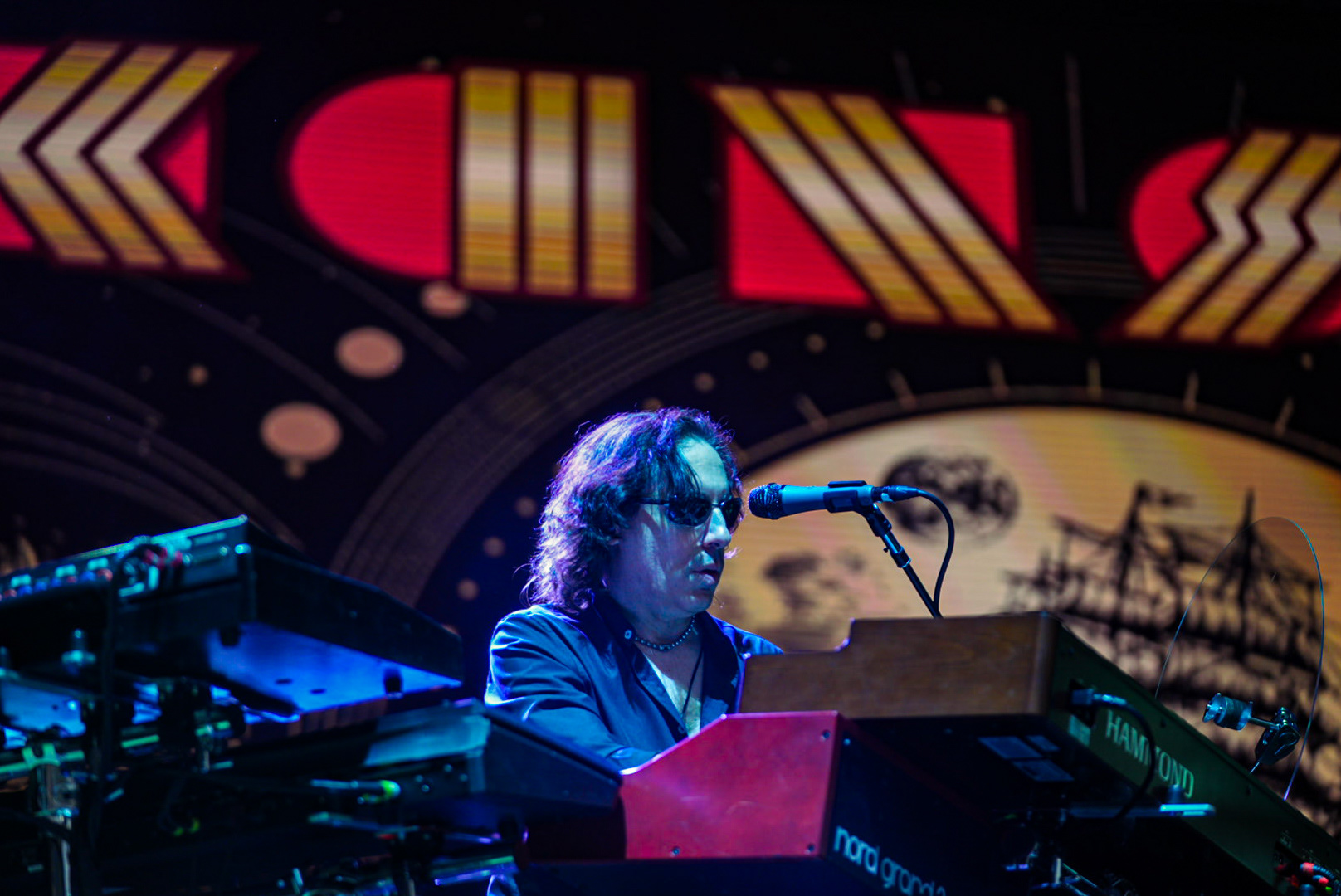
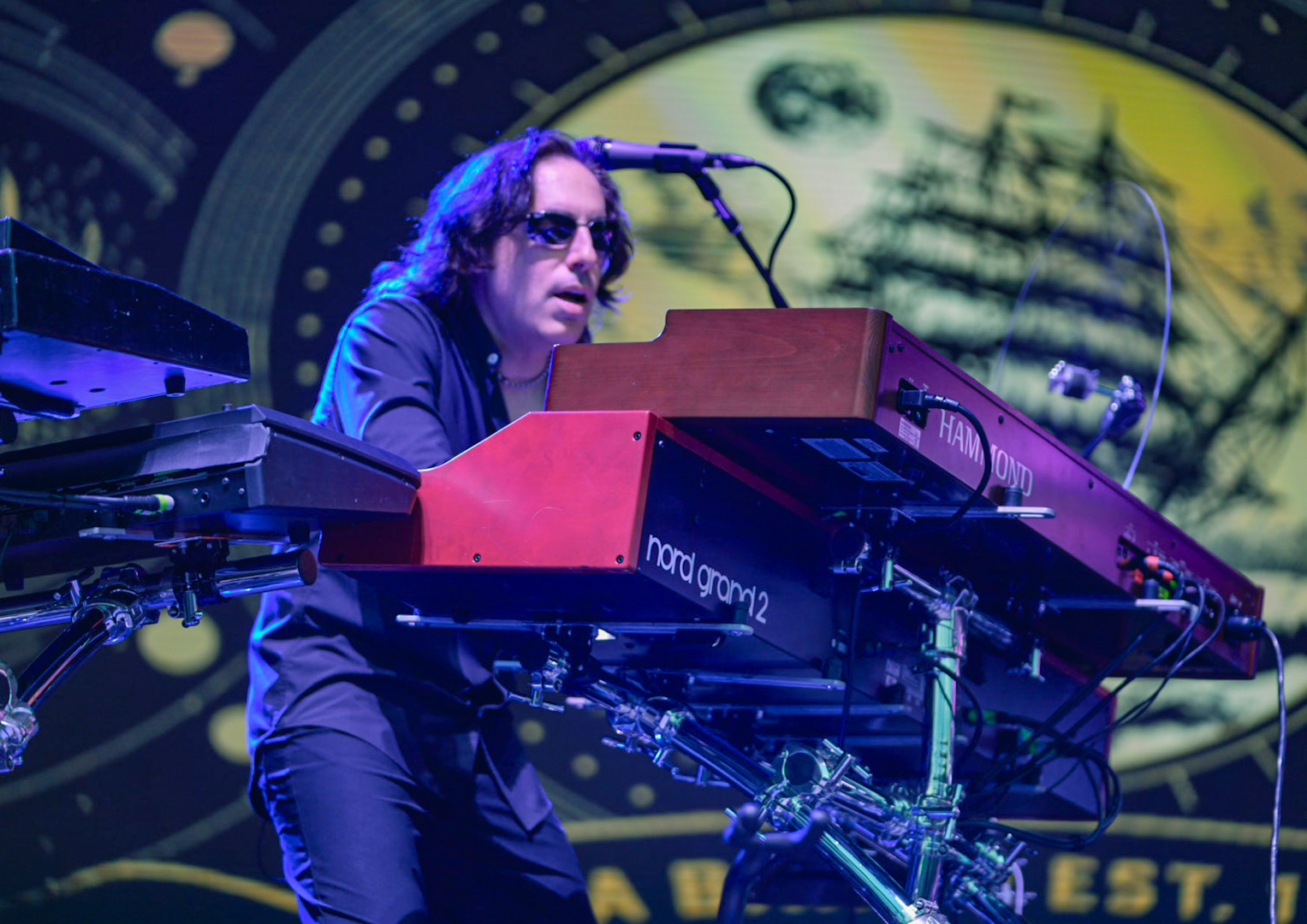
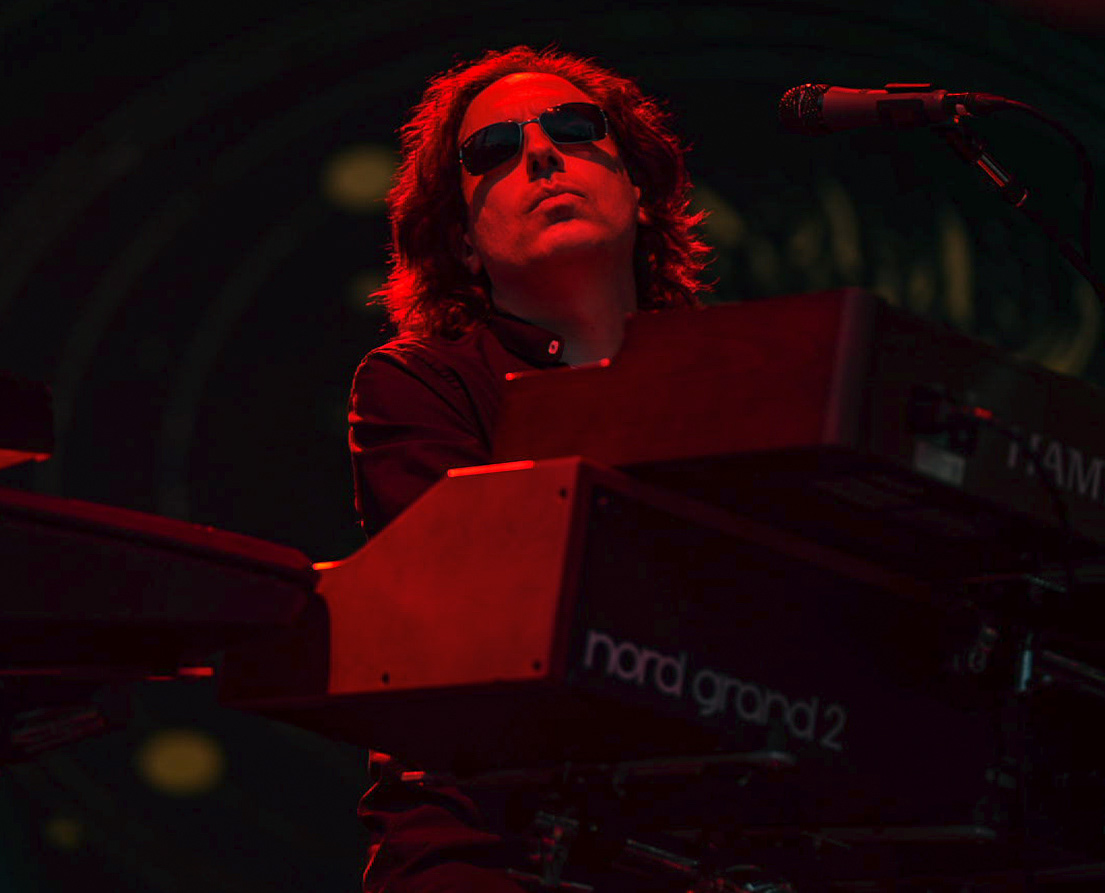
A keyboard solo followed, setting up “Lazy,” where Deep Purple's peculiar chemistry between heaviness and swing came fully into focus. The song doesn't simply lumber forward; it struts. “When a Blind Man Cries” shifted the mood again, giving the set a melancholy center before “Diablo” and another keyboard showcase pushed things back toward instrumental fireworks.
Then the big guns arrived.
“Perfect Strangers” sounded enormous. “Space Truckin’” pushed the performance into psychedelic overdrive. And when the opening riff of “Smoke on the Water” finally hit, the audience responded with the collective recognition of a crowd hearing one of rock's most instantly identifiable riffs.
Few songs have been reduced to their own mythology as thoroughly as “Smoke on the Water,” but live, the riff still works because it isn't complicated. It doesn't need to be. It simply hits.
Deep Purple wasn't finished.
“Guinnesis” kept the momentum moving before the band closed with “Hush,” the Joe South composition that Deep Purple transformed into an early hard-rock classic. It was a fitting closer: loose, swaggering and rooted in the moment when rock music was beginning to realize just how loud and strange it could become.
What made this double bill work wasn't simply the age or pedigree of the bands. It was the contrast.
Kansas represented the cerebral side of classic rock the elaborate arrangements, shifting structures, philosophical lyrics and musicianship that rewards attention. Deep Purple represented its physical counterpart: volume, velocity, swagger and riffs designed to hit the body before the brain has time to analyze them.
Together, they offered a useful reminder that "classic rock" was never one sound.
It was a collision.
On September 8, 2026, Kansas and Deep Purple proved that the collision still has plenty of impact left.
Review
&
Photos
by
Michael Benesh