
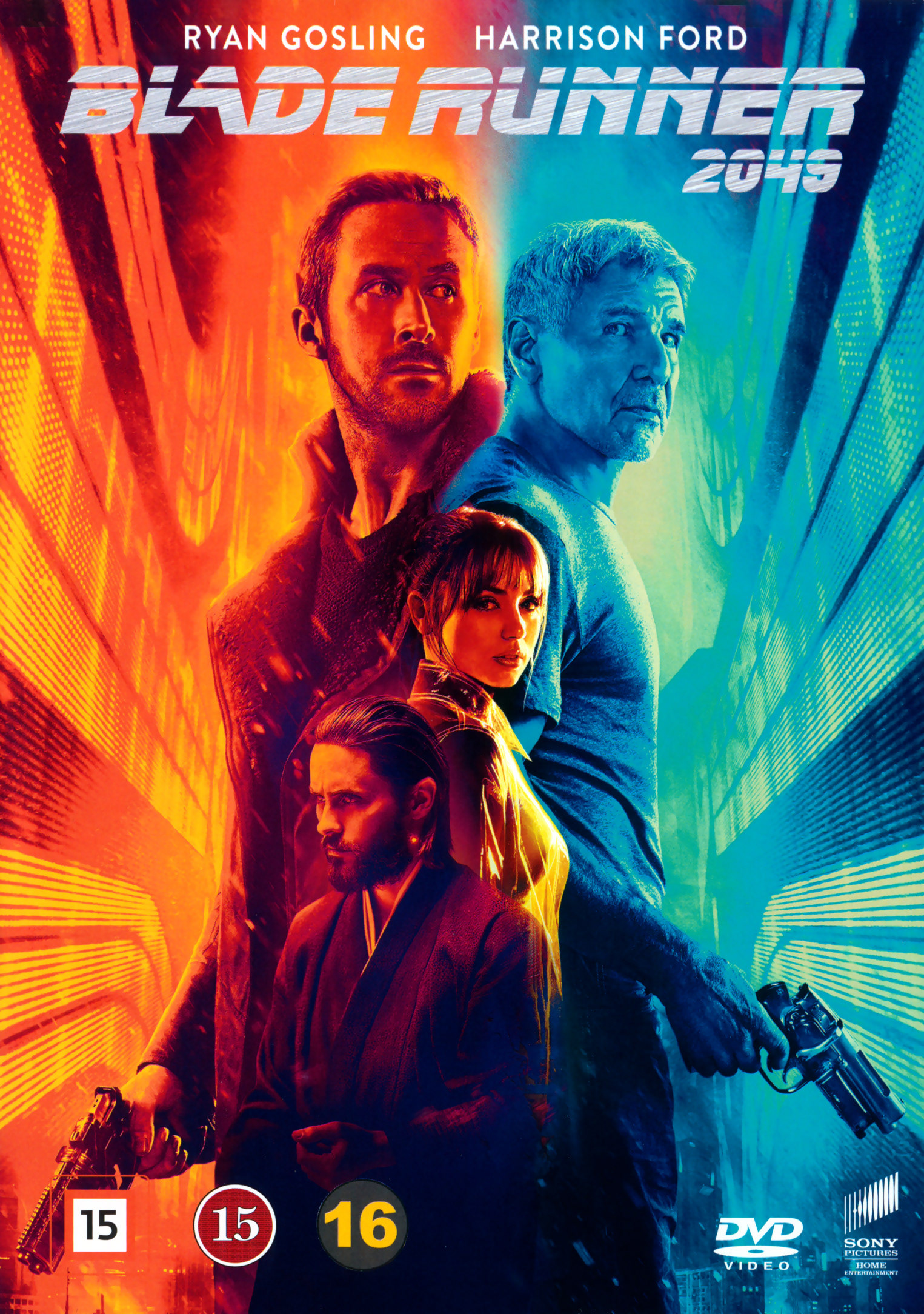
Blade Runner 2049 (2017)
A Beautiful Elegy for What It Means to Be Human
Few sequels dare to ask whether they deserve to exist. Blade Runner 2049 does exactly that. Rather than chasing nostalgia or trying to outshine its legendary predecessor, it expands the world of Blade Runner with remarkable confidence, crafting a film that is as emotionally devastating as it is visually breathtaking. It's a rare blockbuster that values silence over spectacle and introspection over explosions, rewarding patience with one of the most profound science fiction experiences of the modern era.
Directed by Denis Villeneuve, Blade Runner 2049 follows Officer K, a replicant Blade Runner tasked with hunting down older models who have gone into hiding. What begins as another routine assignment soon uncovers a secret capable of reshaping the relationship between humans and replicants forever. Like the original film, the mystery is merely the doorway into something much deeper a meditation on memory, identity, loneliness, and the desperate need to believe our lives have meaning.
At the center of it all is Ryan Gosling, delivering perhaps the finest performance of his career. His portrayal of K is astonishingly restrained, revealing an ocean of emotion beneath an almost expressionless surface. Every glance, hesitation, and quiet moment carries enormous weight. K is a man searching for proof that he is more than the role he was created to fulfill, and Gosling makes that search feel heartbreakingly real.
When Harrison Ford finally returns as Rick Deckard, the film avoids treating his appearance as simple fan service. Instead, it uses his character to explore the lingering consequences of the past, reminding us that time changes everyone, regardless of whether they were born or manufactured. Their shared scenes are some of the film's most emotionally powerful, built not on nostalgia but on quiet understanding.
Visually, Blade Runner 2049 is nothing short of extraordinary. Cinematographer Roger Deakins creates images that feel almost impossible in their beauty. Neon lit skylines, abandoned wastelands swallowed by orange dust, and endless concrete monuments combine to create a future that feels hauntingly believable. Every frame could hang in a museum, yet none of it feels empty or self-indulgent. The visuals always serve the story's emotional core.
The score by Hans Zimmer and Benjamin Wallfisch echoes the original while forging its own identity. Deep electronic pulses and overwhelming walls of sound create a sense of loneliness that permeates every scene. The music doesn't simply accompany the world it becomes part of its architecture.
What makes Blade Runner 2049 truly unforgettable is its refusal to provide easy answers. It asks whether memories define us, whether love is less meaningful if it was programmed, and whether a manufactured life can possess the same dignity as a natural one. These questions linger long after the credits roll because Villeneuve understands that great science fiction doesn't predict the future it reflects the present.
In an era dominated by loud, fast paced franchise filmmaking, Blade Runner 2049 is refreshingly uncompromising. It trusts its audience to sit with uncertainty, to appreciate stillness, and to find beauty in melancholy. It isn't concerned with delivering instant gratification; it wants to leave a permanent mark.
Like the original, this is a film that grows richer with every viewing. Its greatest moments aren't the ones filled with action, but the quiet ones where a single look, a fading memory, or a question left unanswered says more than pages of dialogue ever could.
A mesmerizing work of science fiction. A meditation on existence wrapped in neon and rain. A sequel that honors its legacy by finding a soul entirely its own.
Rating: (4/5)
Review
by
Michael Benesh