Blackbraid Bring the Darkness to Life Before Cradle of Filth in San Diego
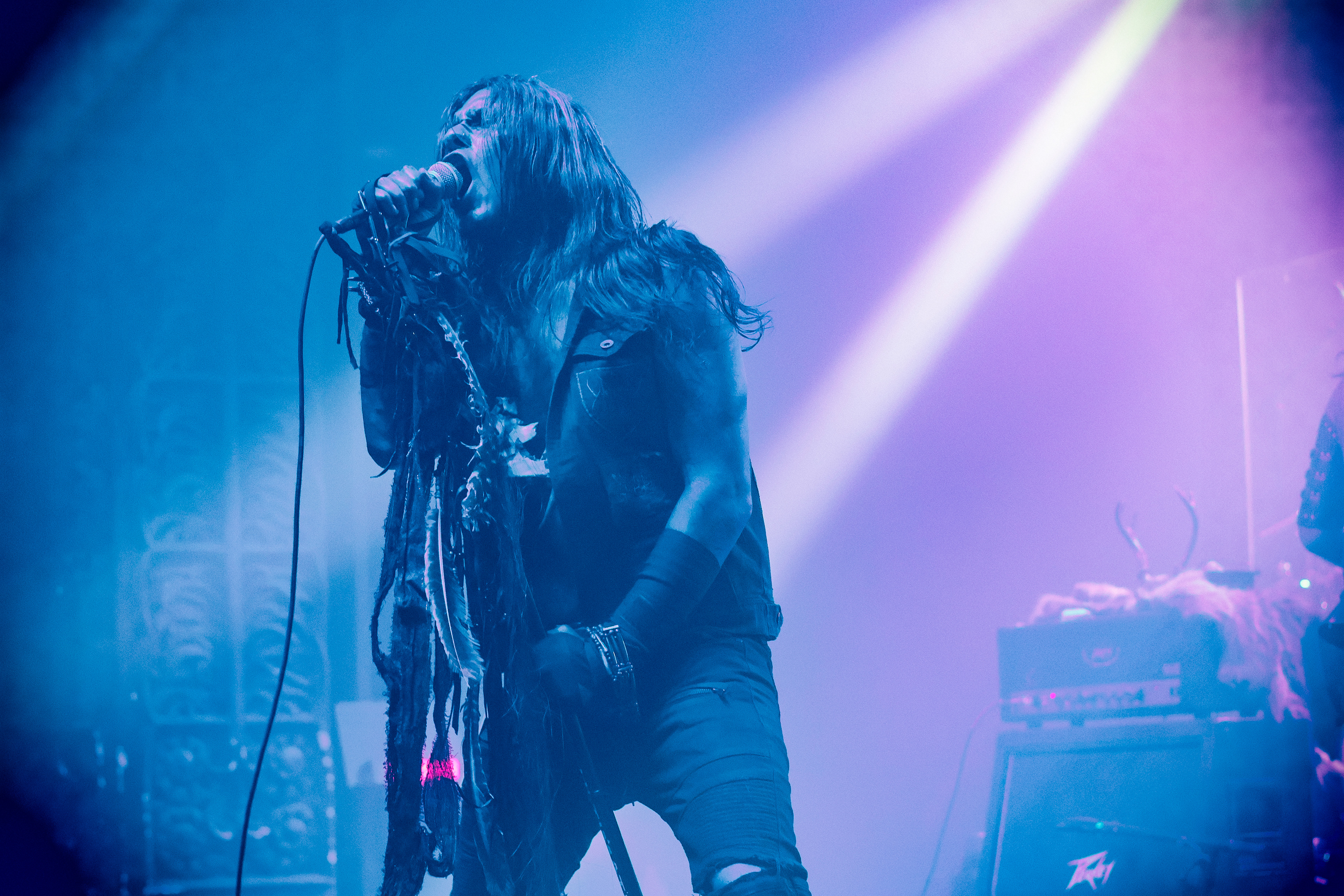
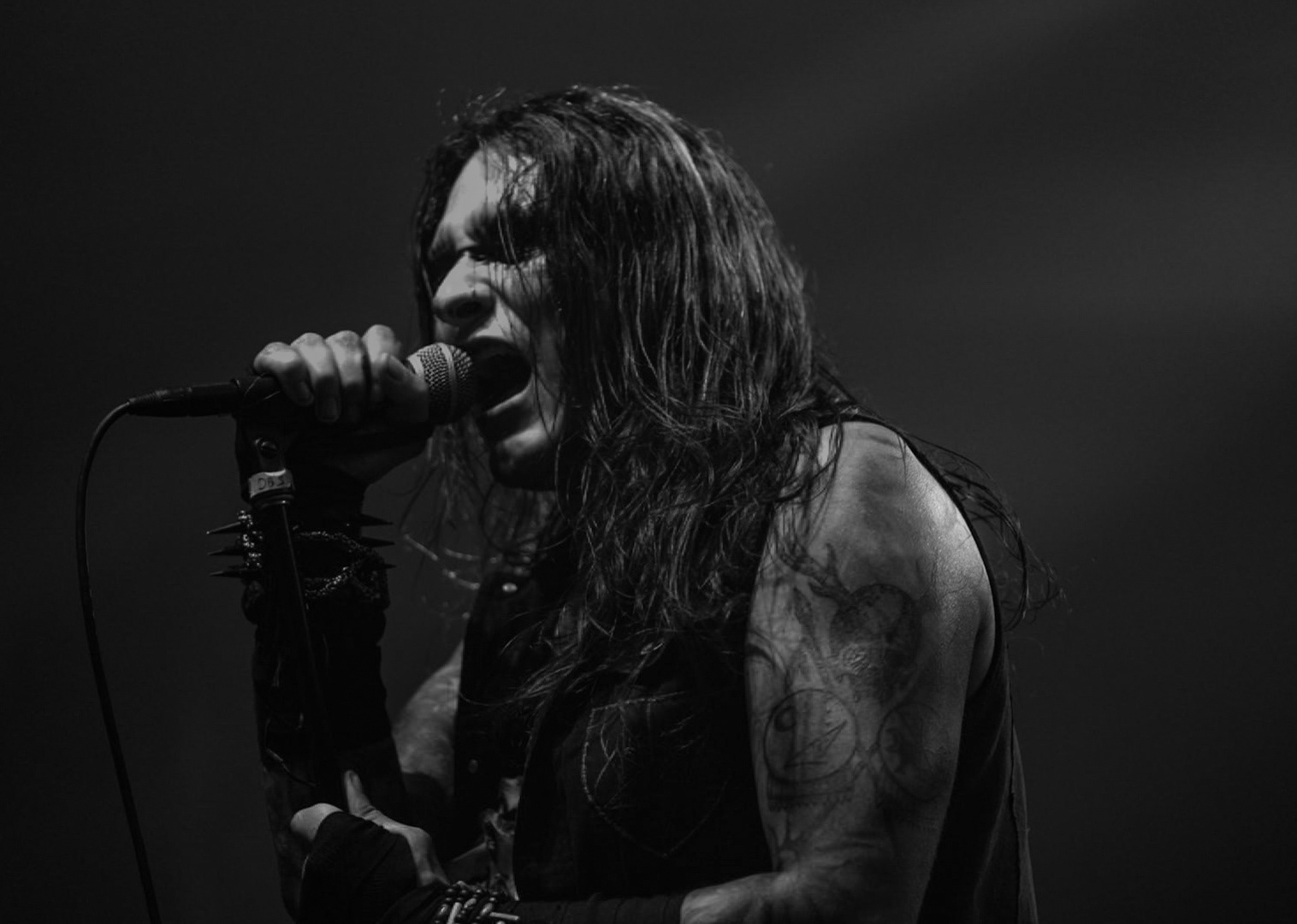
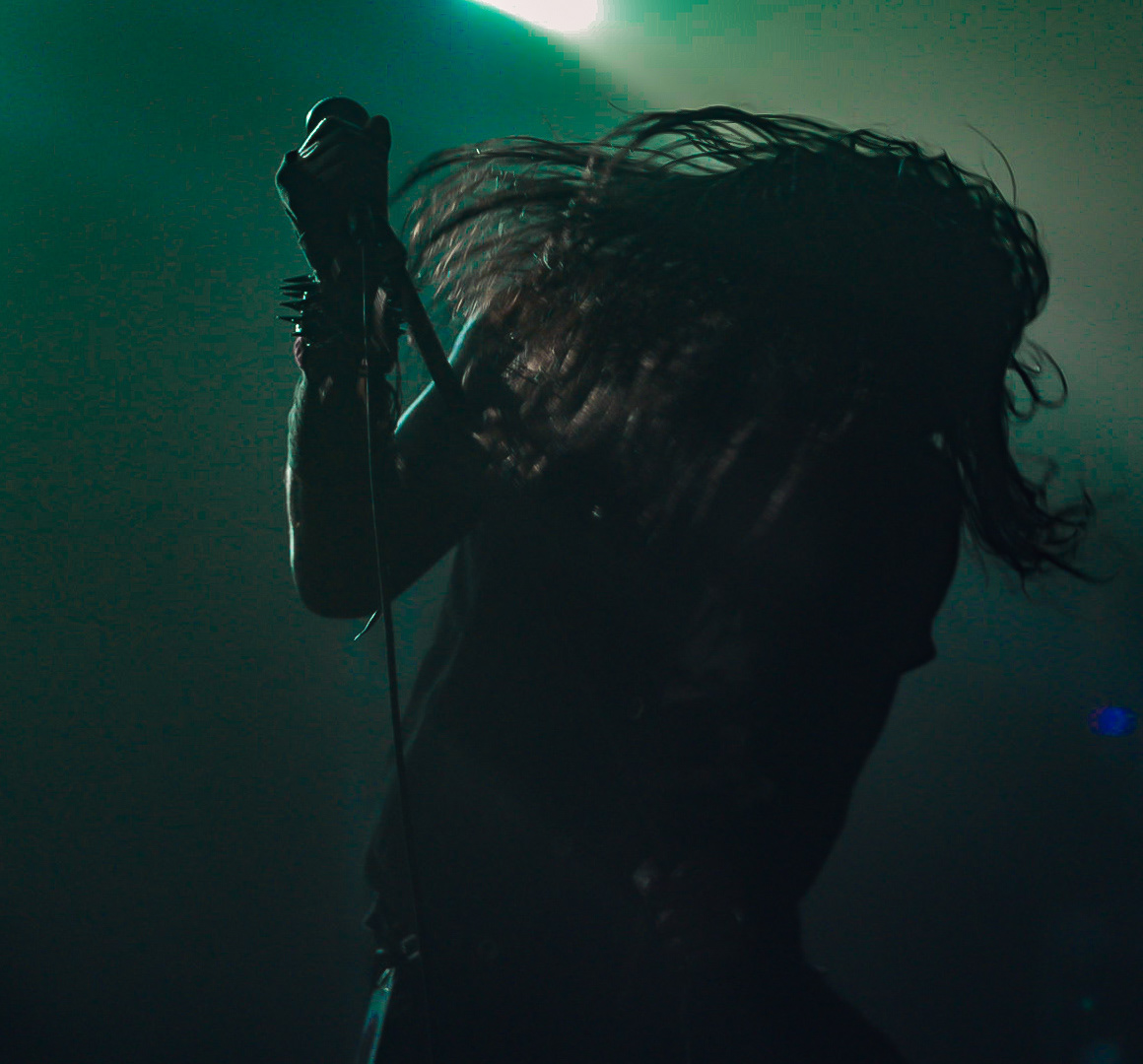
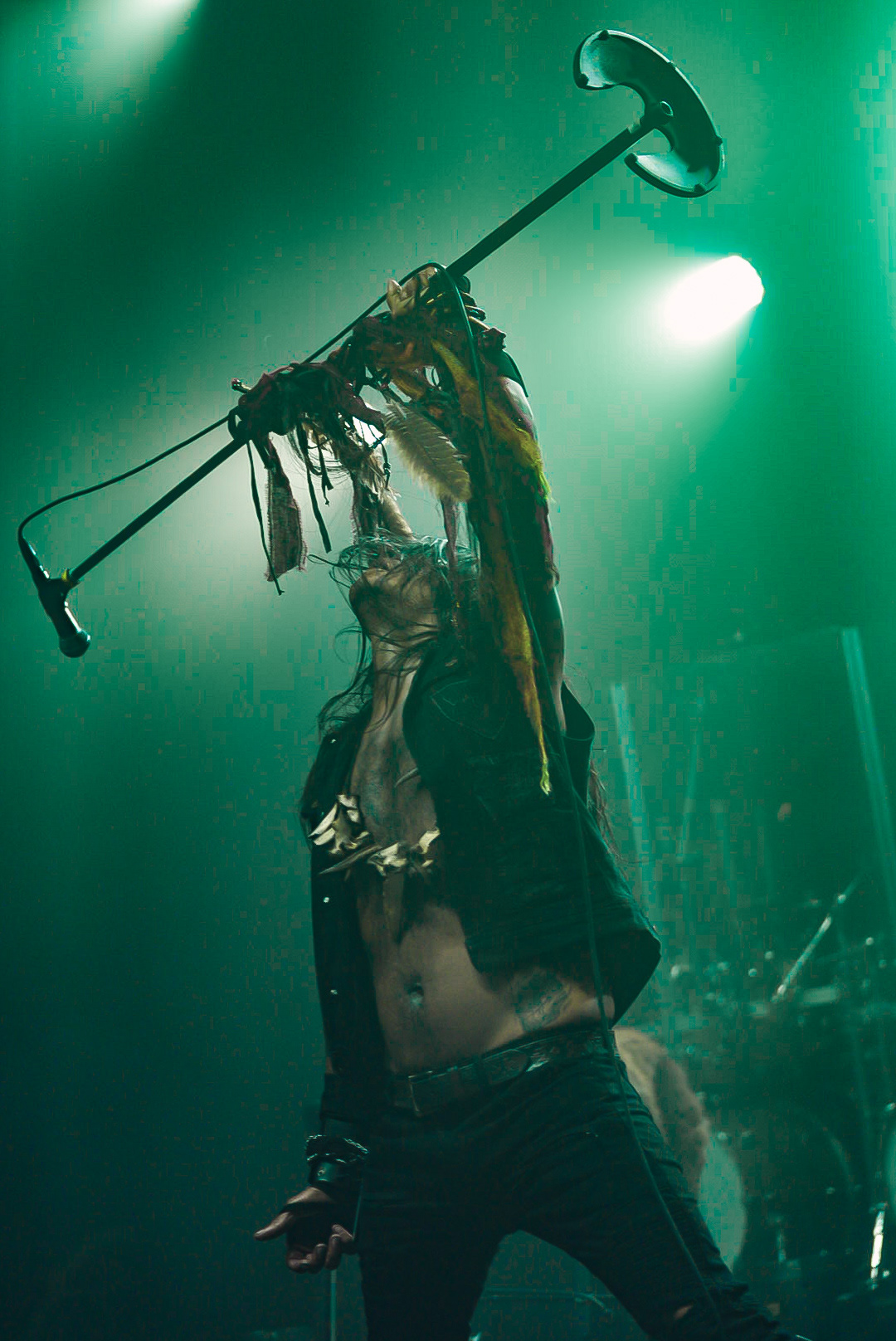
Bathed in eerie green light and fueled by relentless black metal fury, Blackbraid turned The Observatory North Park into a ritualistic collision of atmosphere, aggression, and ancestral spirit.
The Observatory North Park
San Diego, California
September 29, 2026
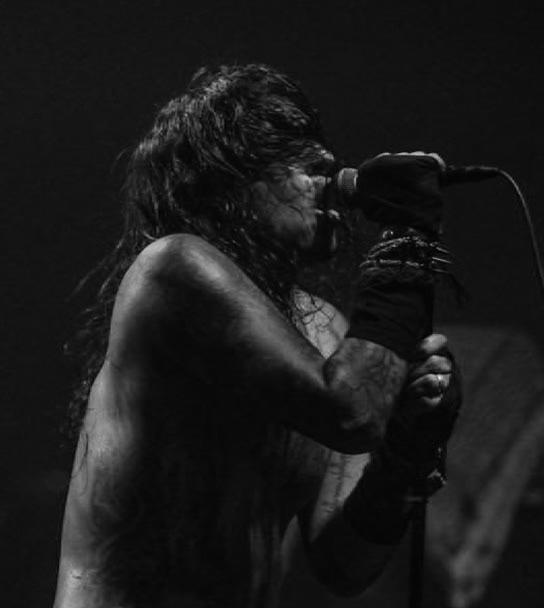
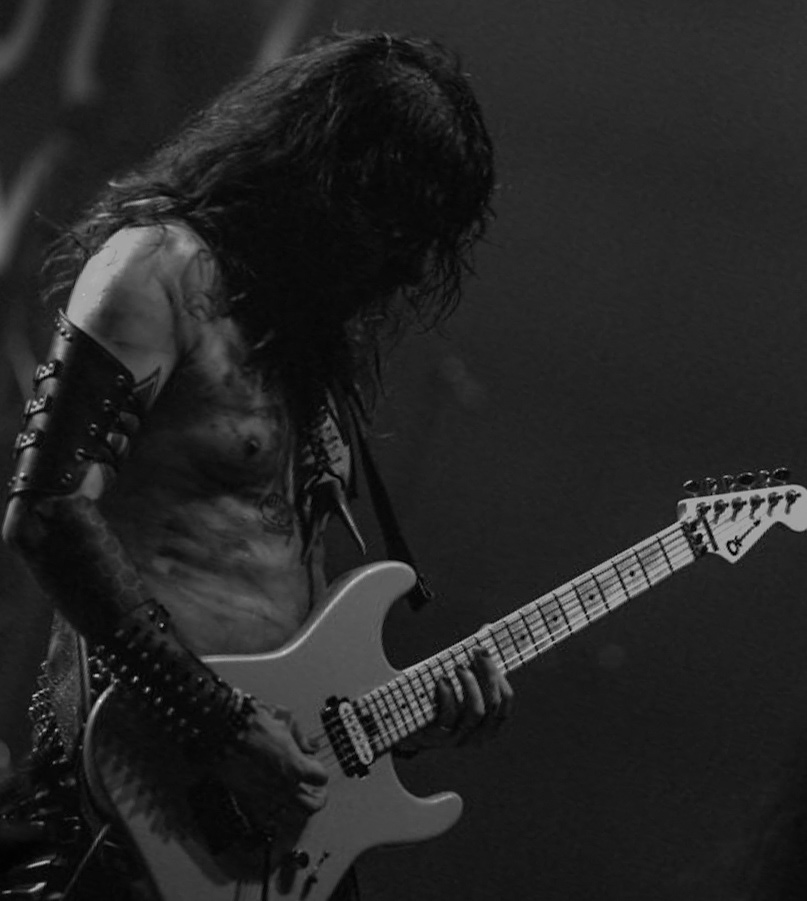
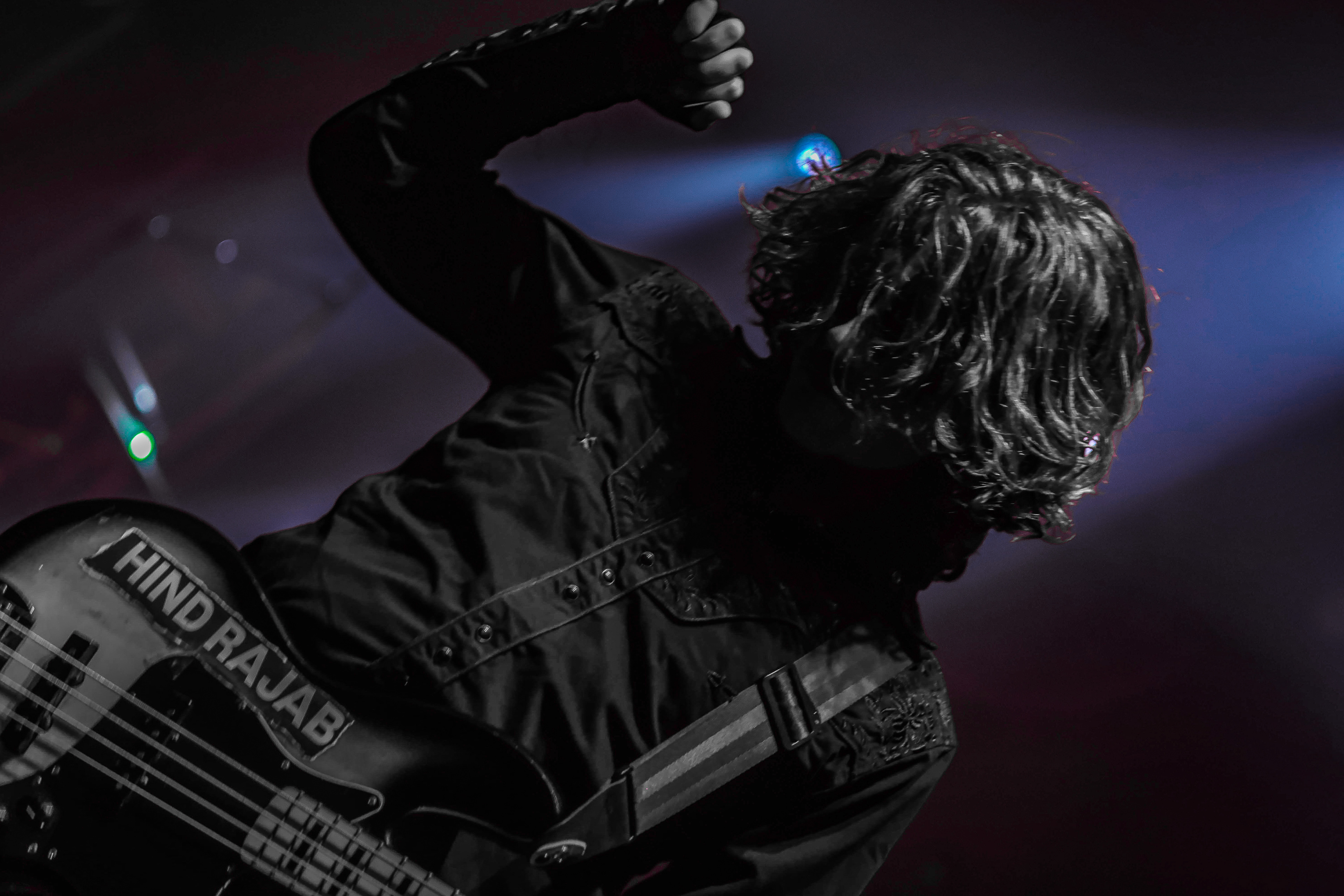
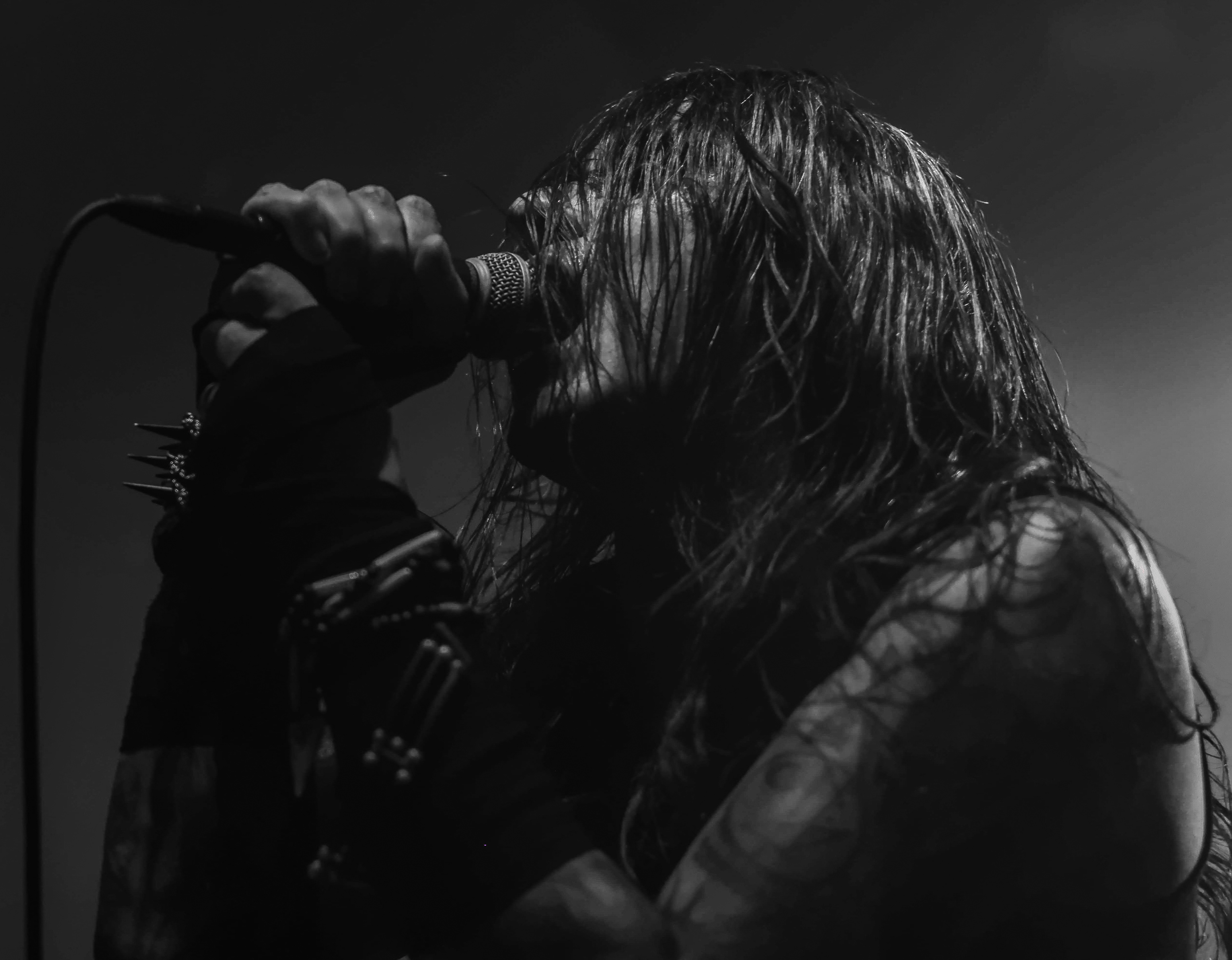
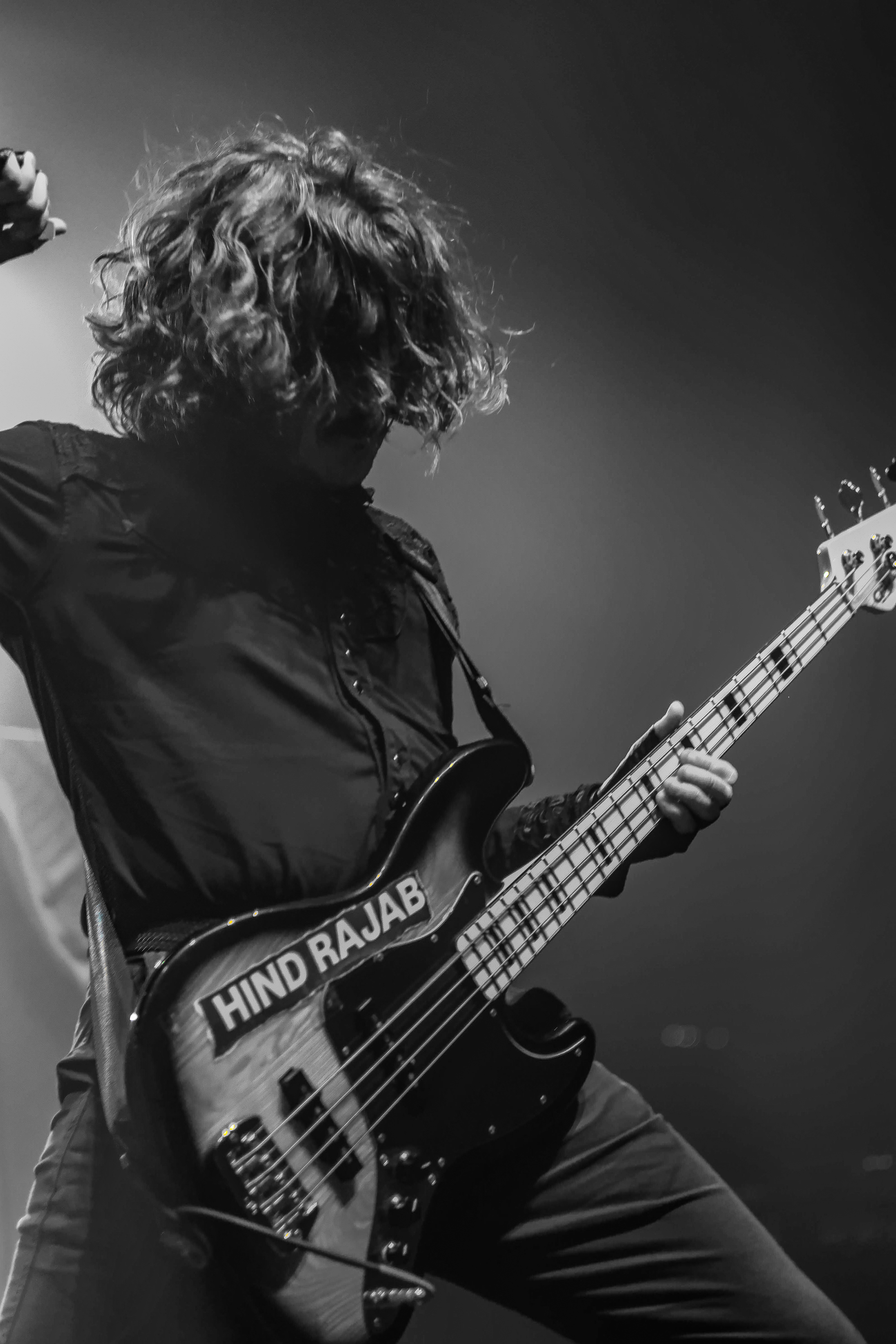
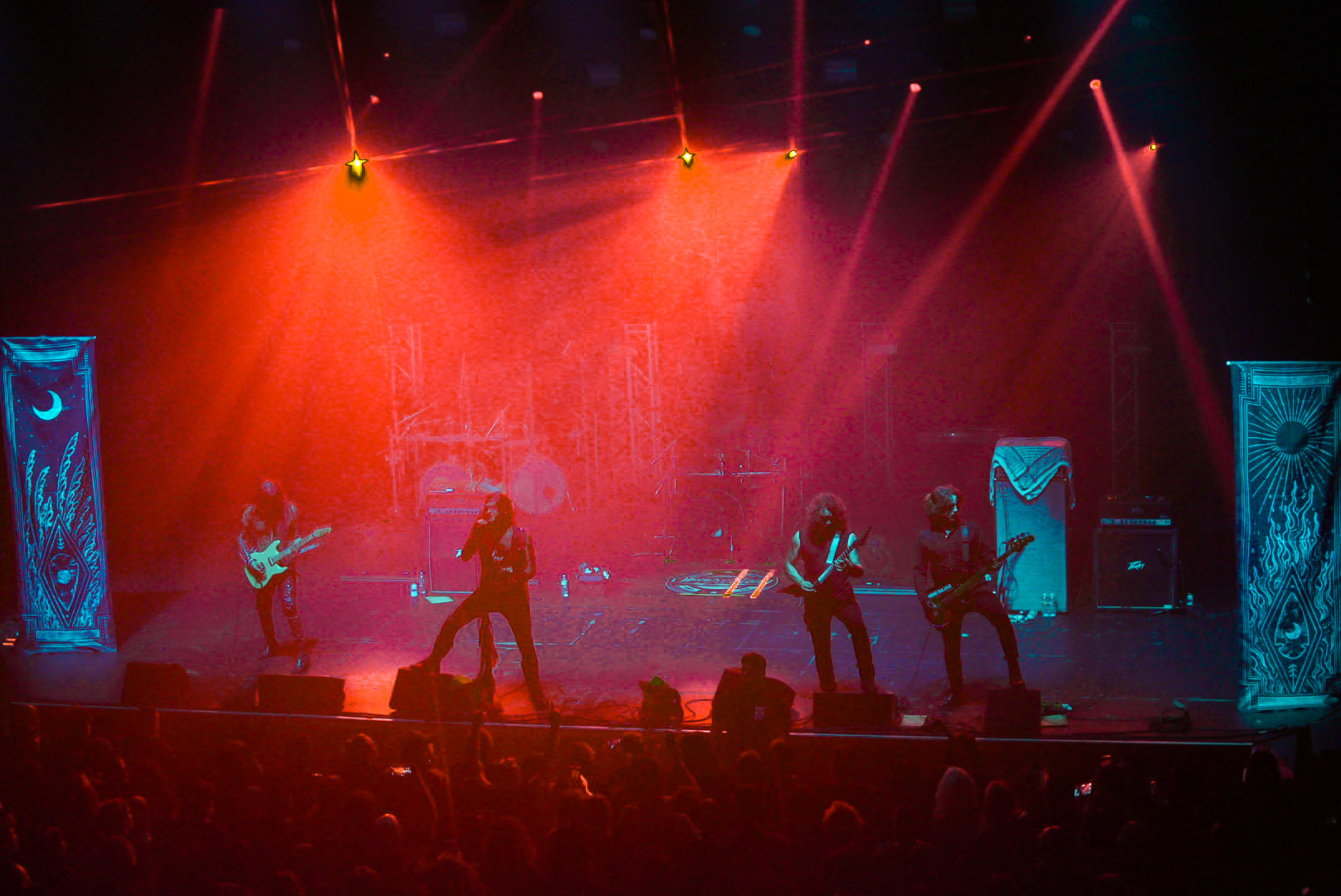
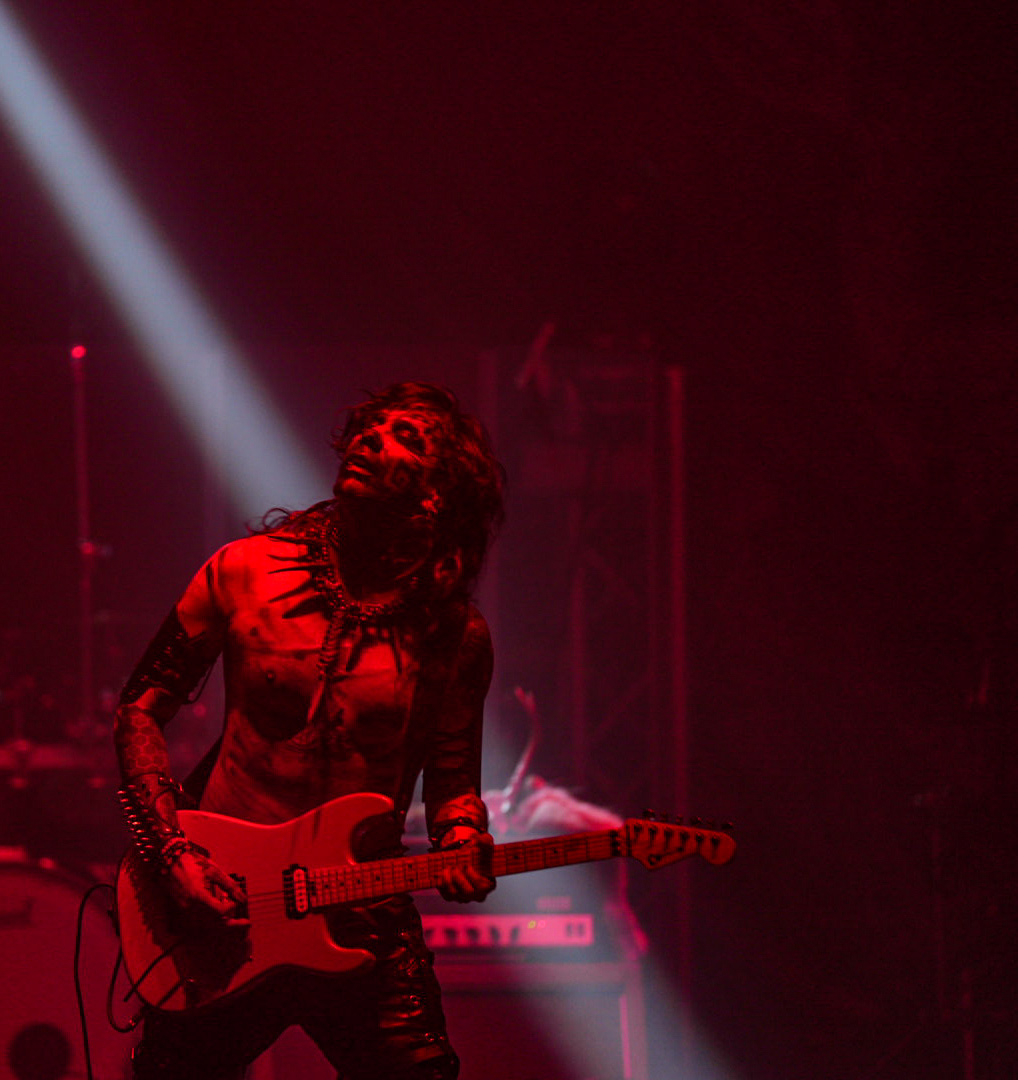
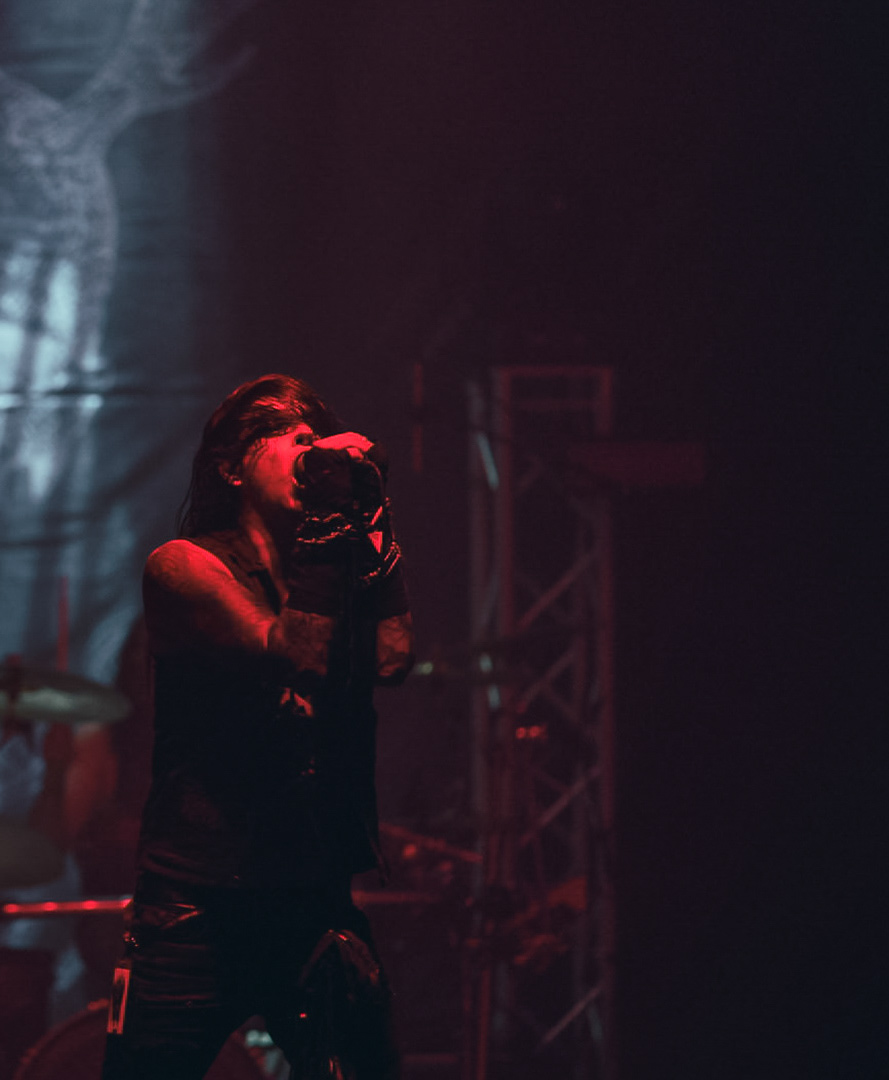
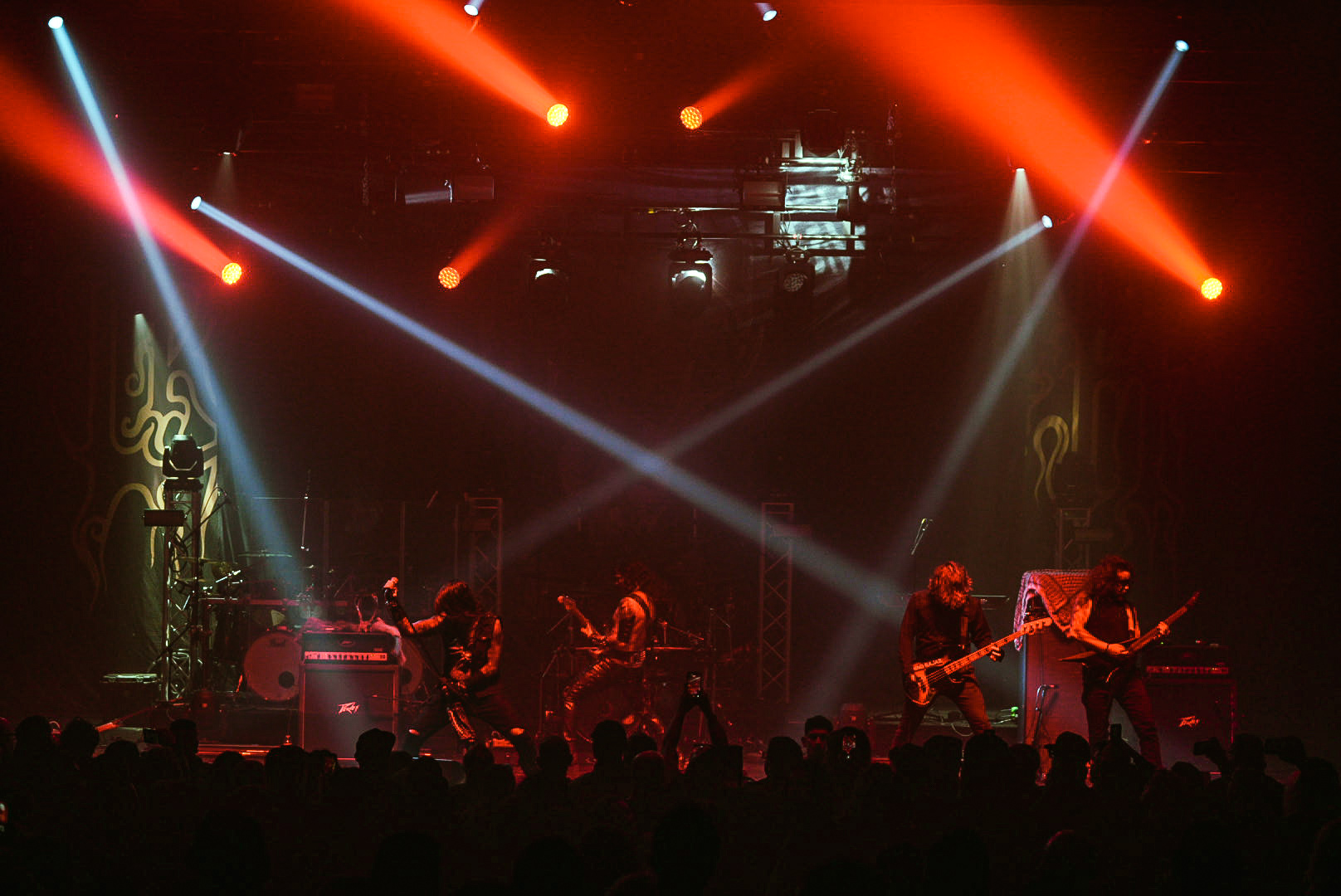
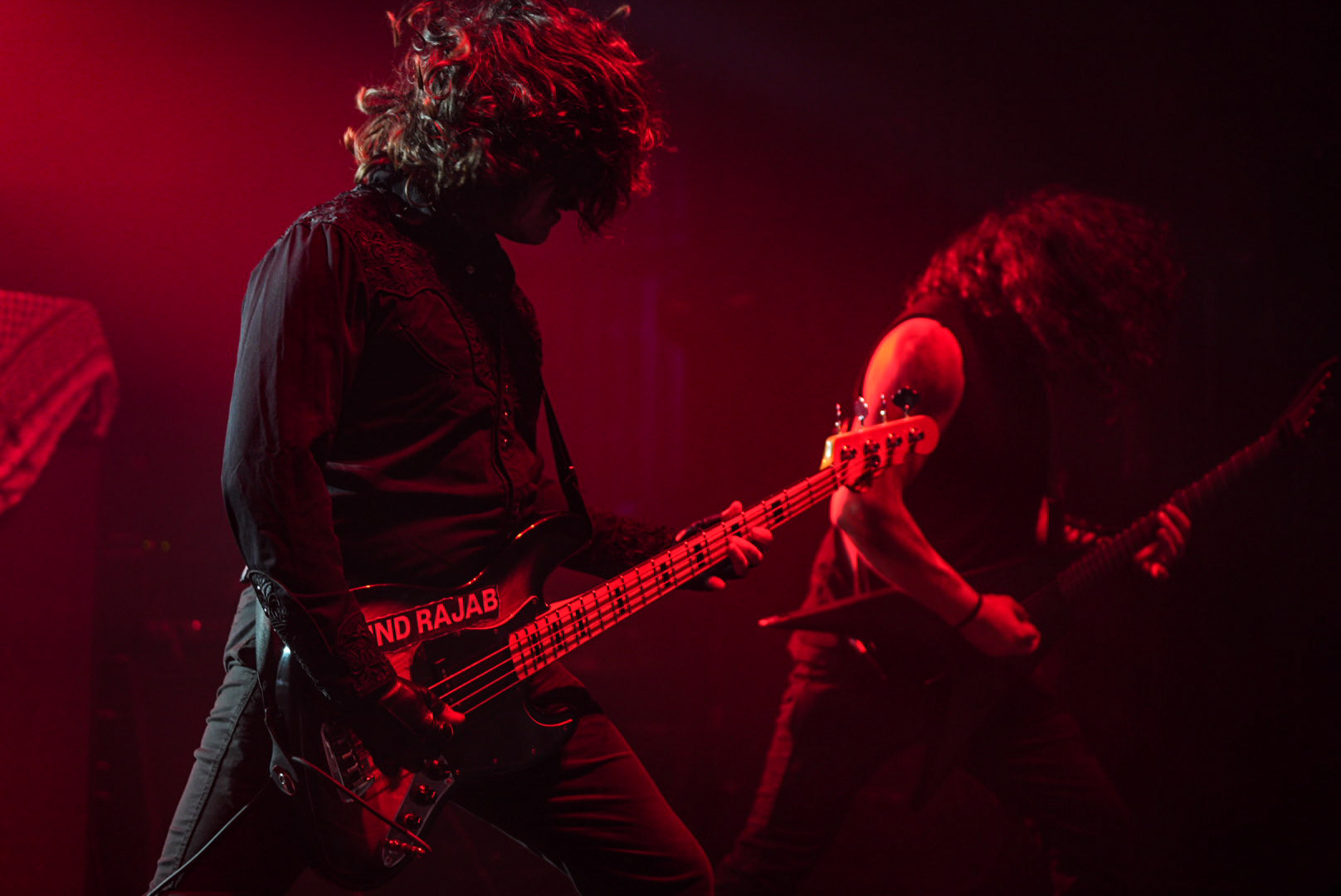
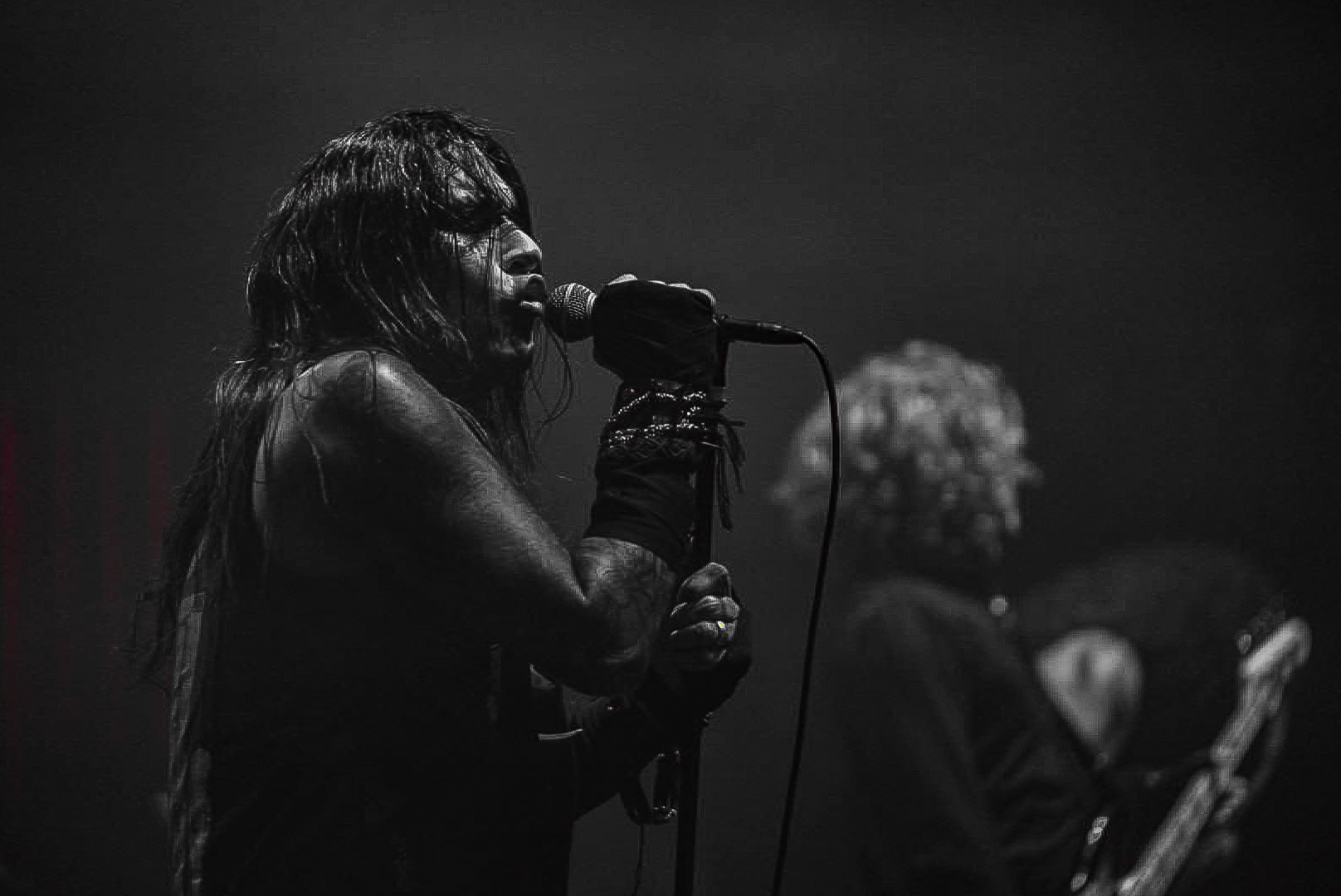
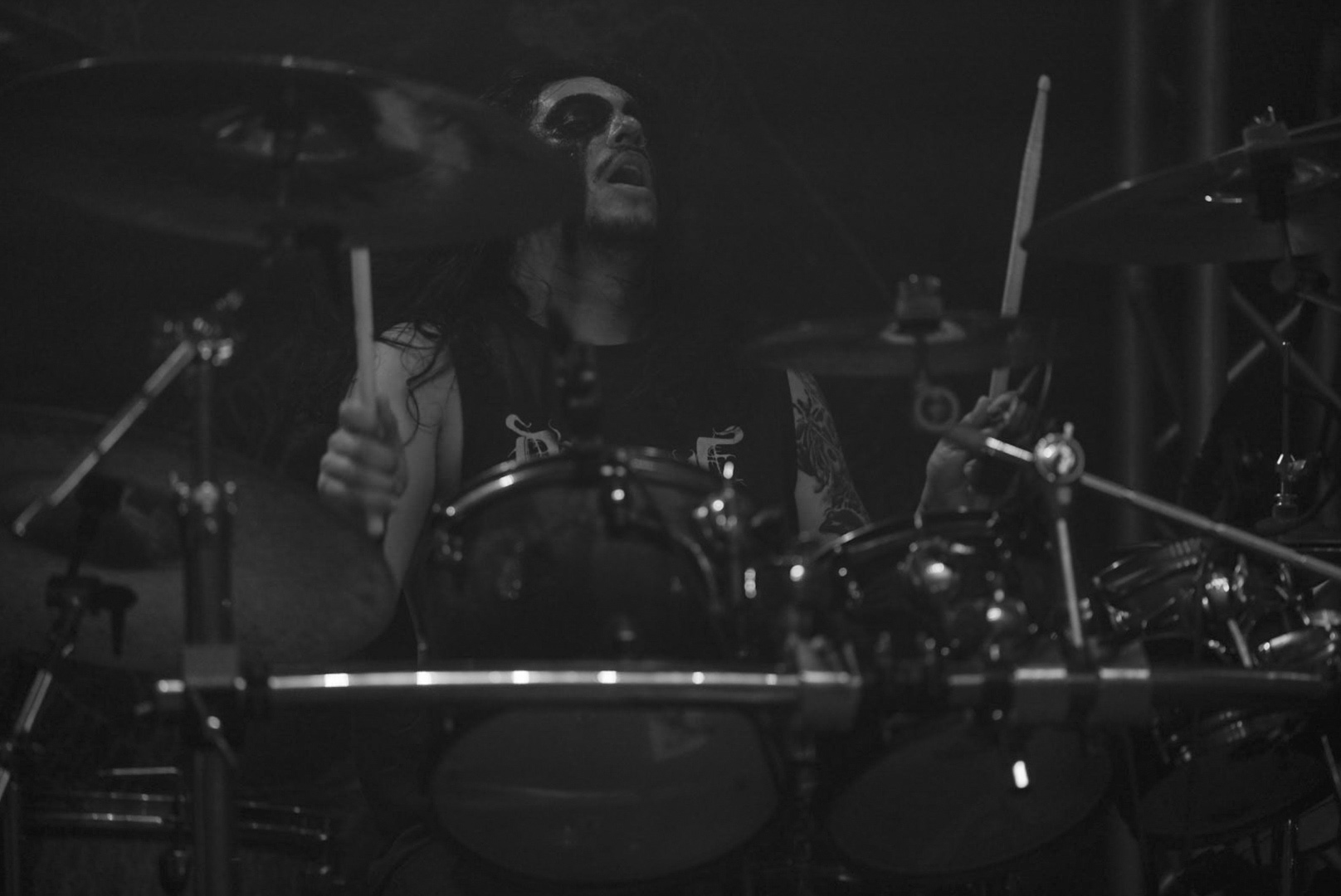
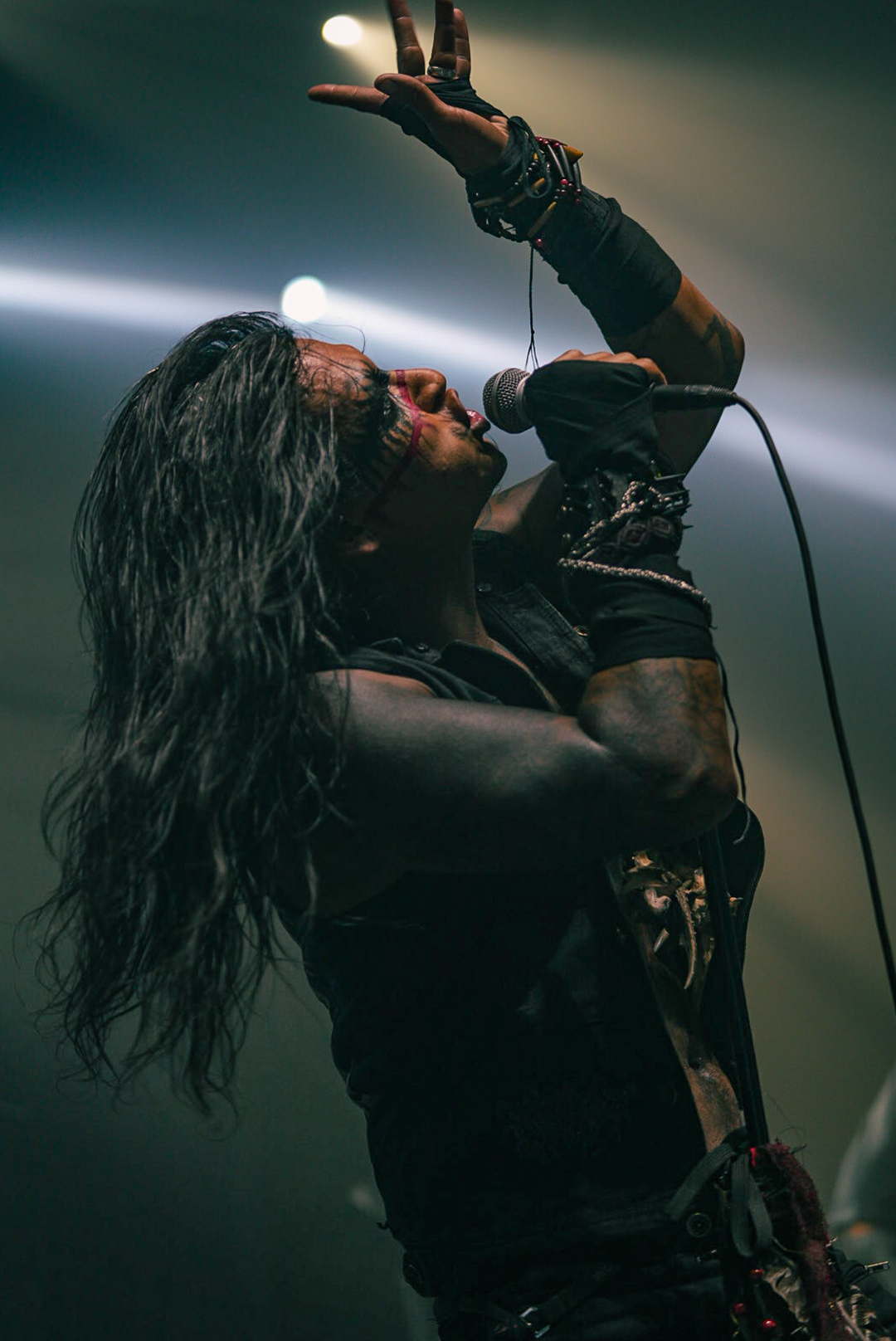
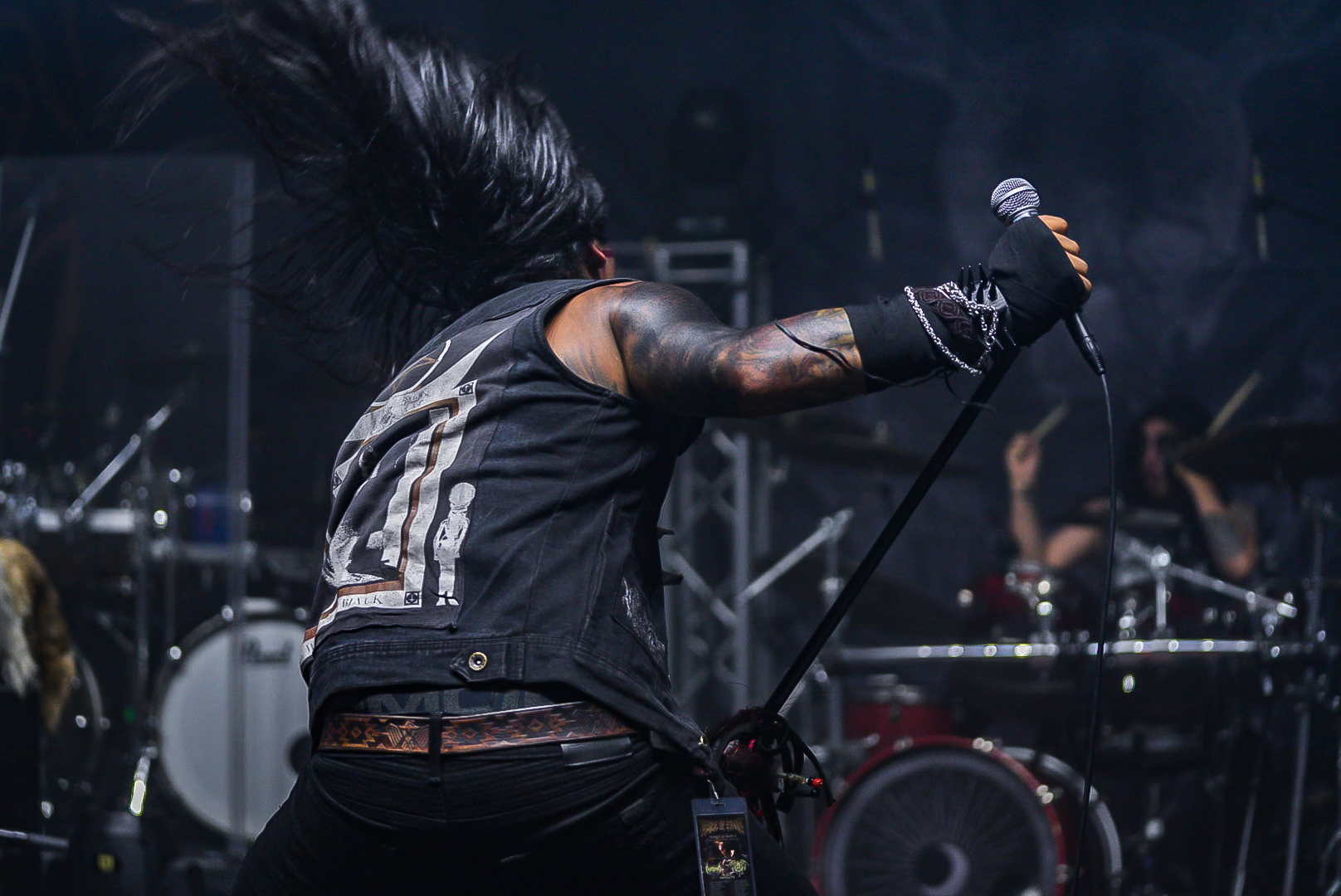
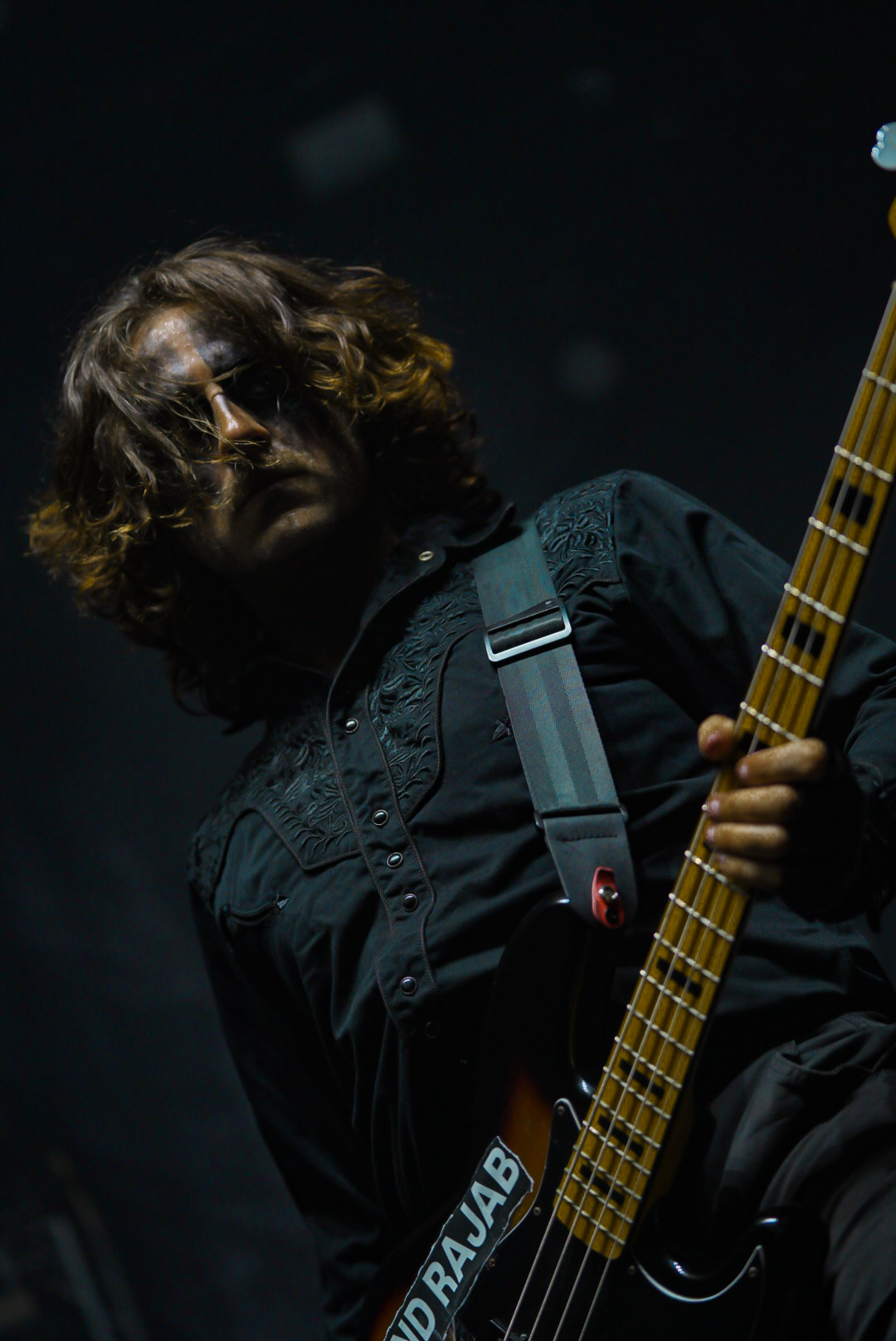
Before Cradle of Filth unleashed its gothic extravagance, Blackbraid brought a different kind of darkness to The Observatory North Park. Bathed predominantly in sickly green light, the stage took on an otherworldly quality as the Indigenous led black metal project tore through a six song set that felt equal parts primal invocation and full throttle assault. The lighting was spectacular, bathing the musicians in an eerie glow that perfectly complemented the band's atmospheric extremity. This wasn't simply an opening act going through the motions. Blackbraid arrived with something to prove and played like a band that had no intention of being overlooked.
“Celestial Bloodlust” wasted little time establishing the night's intensity. Tremolo-picked guitars cut through the room, the drums drove forward with punishing velocity, and the green illumination gave the stage an almost supernatural atmosphere. The band's energy was relentless, its performance carrying the kind of physical urgency that makes extreme metal so compelling in a live setting. There was no easing into the evening; Blackbraid came out swinging.


“The Spirit Returns” sustained that momentum, balancing black metal savagery with the expansive atmosphere that distinguishes Blackbraid from more straightforward genre practitioners. The lighting intensified the effect, turning the stage into a sea of green shadows as the music surged between atmospheric passages and explosive bursts of percussion. The visual presentation never felt excessive. It served the music, adding a cinematic dimension to a performance already rich in texture and intensity.
On “The River of Time Flows Through Me,” Blackbraid demonstrated that sheer aggression wasn't its only weapon. Beneath the blast beats and sharpened guitar work lay a more contemplative sensibility, one that gave the song an almost widescreen quality. The band's connection to nature, history, and ancestral themes lends its music a sense of scale that extends beyond the usual black-metal fixation on darkness. Here, the atmosphere felt less like a theatrical backdrop and more like an extension of the music itself.
That tension between beauty and brutality continued through “The Dying Breath of a Sacred Stag” and “Twilight Hymn of Ancient Blood.” Throughout the set, Blackbraid maintained an almost inexhaustible energy, with the musicians delivering the material's ferocity without sacrificing its atmosphere. The green lights remained a defining visual element, casting an unnatural hue across the stage and reinforcing the music's sense of wilderness and otherworldliness. It was a striking aesthetic choice, giving the performance a distinctive identity amid the evening's broader metal spectacle.
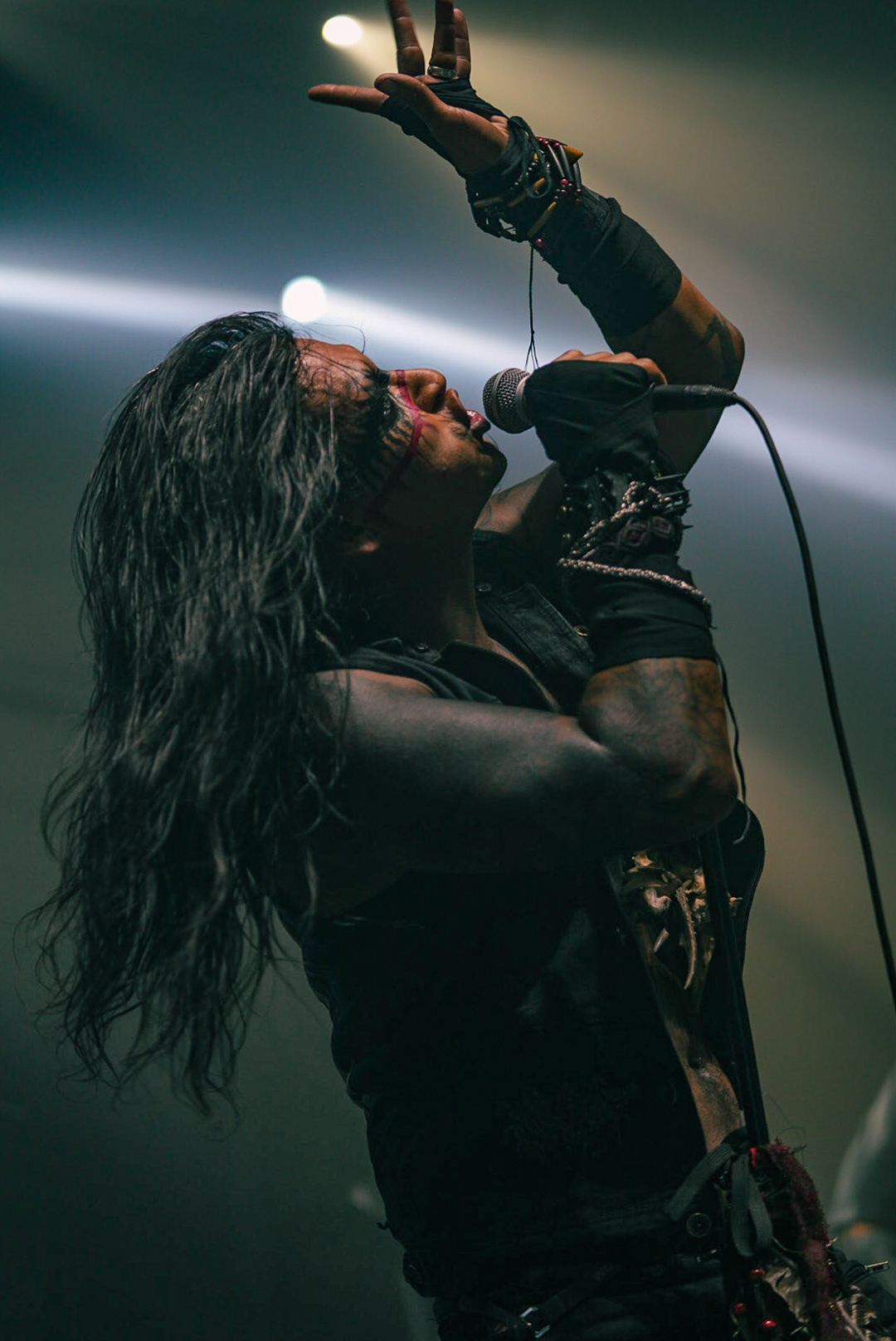

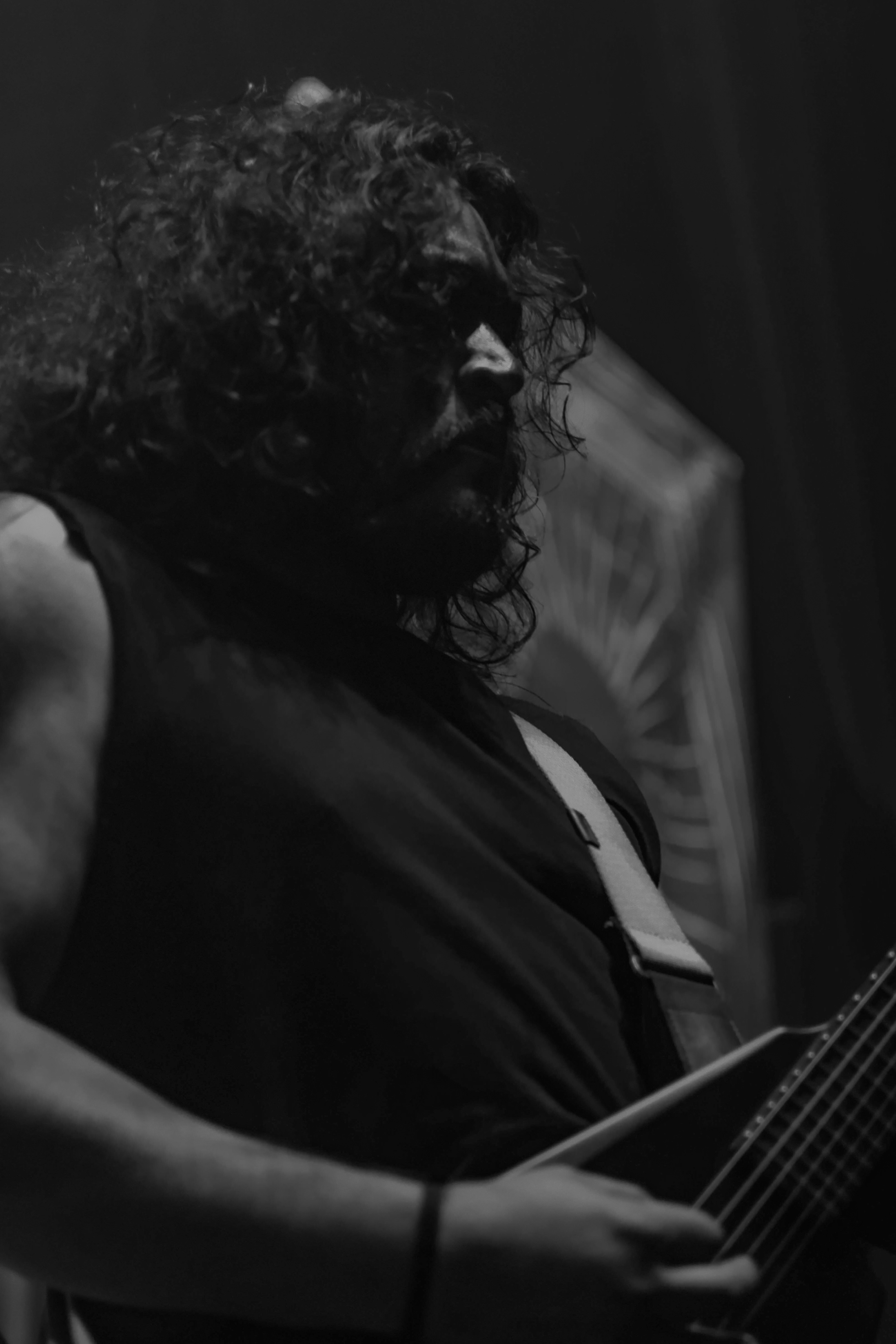
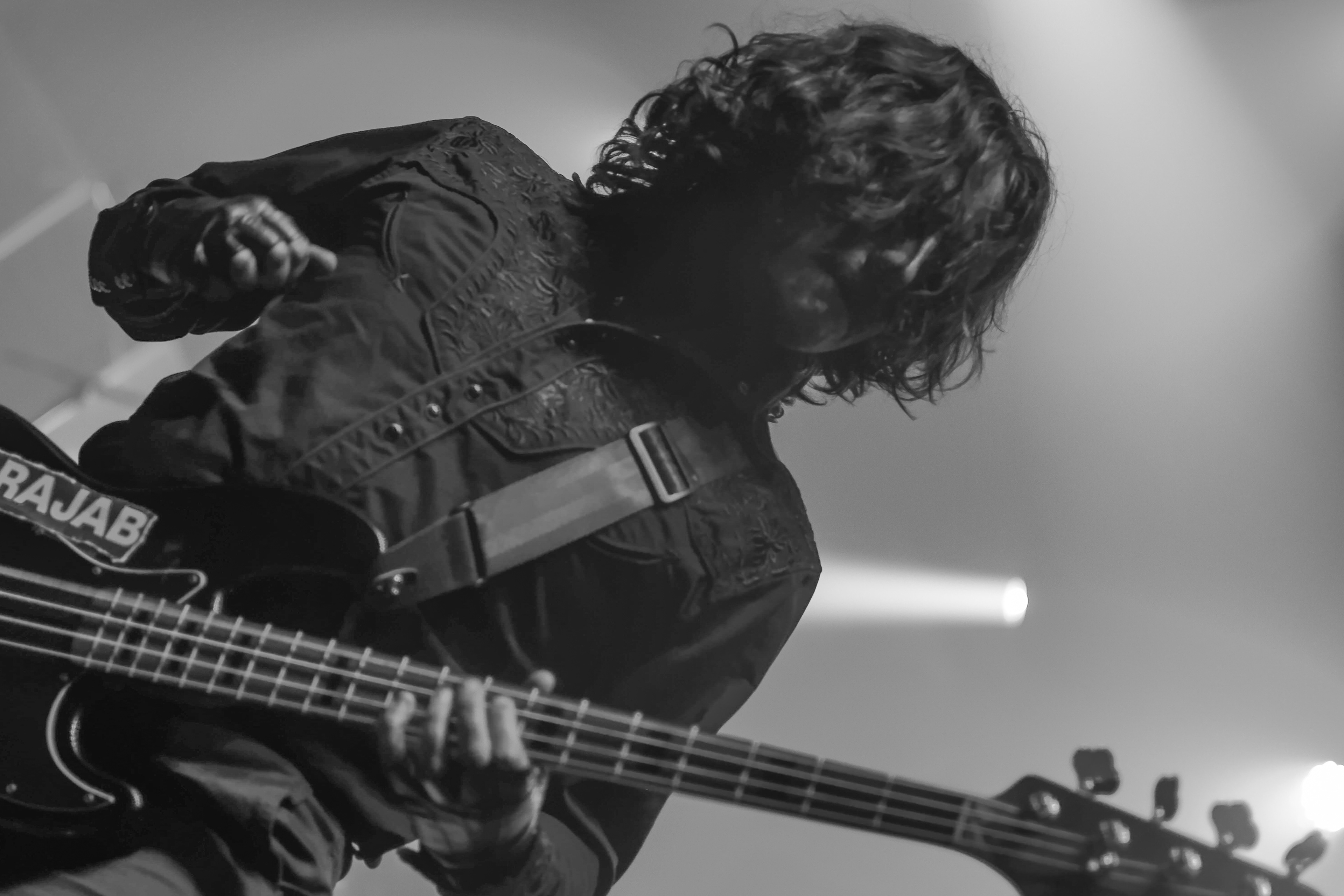
The crowd had plenty to absorb, but the band's commanding stage presence kept the focus exactly where it belonged. Blackbraid made those six songs count, building momentum rather than merely running through a setlist. The performance had a physical intensity that matched the music's sonic weight, and the atmospheric lighting elevated the experience without distracting from the musicianship.
Then, toward the end of the set, came a moment that cut through the noise in a different way: the vocalist burned some sage . Against the green lit stage and the relentless force of the music, the gesture introduced a ceremonial dimension that felt entirely in keeping with Blackbraid's artistic world. It was a striking contrast to the evening's aggression, a brief moment of ritual amid the volume and movement. Rather than feeling like an isolated flourish, it added another layer to the atmosphere the band had spent the set constructing.
The moment also underscored what makes Blackbraid compelling. Its music isn't simply about speed, distortion, or cultivating a menacing image. There is a deeper sense of identity and symbolism running through the project, and that brief ceremonial gesture brought those themes into the live setting. In a genre where atmosphere can sometimes become little more than costume, the moment gave the closing stretch an additional sense of purpose.
“Barefoot Ghost Dance on Blood Soaked Soil” brought the set to its conclusion with the band's intensity still firmly intact. As a final statement, it captured the collision of aggression and atmosphere that had defined the performance from the opening notes. The green lighting, the relentless musicianship, and the incense ritual had combined to give Blackbraid's appearance a character distinct from the gothic theatrics awaiting the audience with Cradle of Filth.


That contrast made the pairing particularly effective. Cradle of Filth has spent decades refining its grand, theatrical brand of extreme metal, drawing on gothic horror and elaborate imagery. Blackbraid approached darkness from another direction, grounding its sound in the natural world and a more elemental sense of ritual. Both acts inhabit the extreme-metal universe, but Blackbraid offered a perspective that felt raw, atmospheric, and unmistakably its own.
For an opening set, the performance made a formidable impression. The lighting was exceptional, the energy never wavered, and the incense moment provided an unexpected visual punctuation mark before the final song. Blackbraid didn't need an elaborate spectacle to command attention; it built one through music, movement, and atmosphere.
Cradle of Filth may have been the headliner, but Blackbraid gave San Diego a compelling reason to arrive early. At The Observatory North Park, six songs were enough to conjure a world of green lit shadows, blackened fury, and ceremonial mystique. The band didn't merely warm up the room. It made the darkness its own.
Review
and
Photos
by
Michael Benesh