


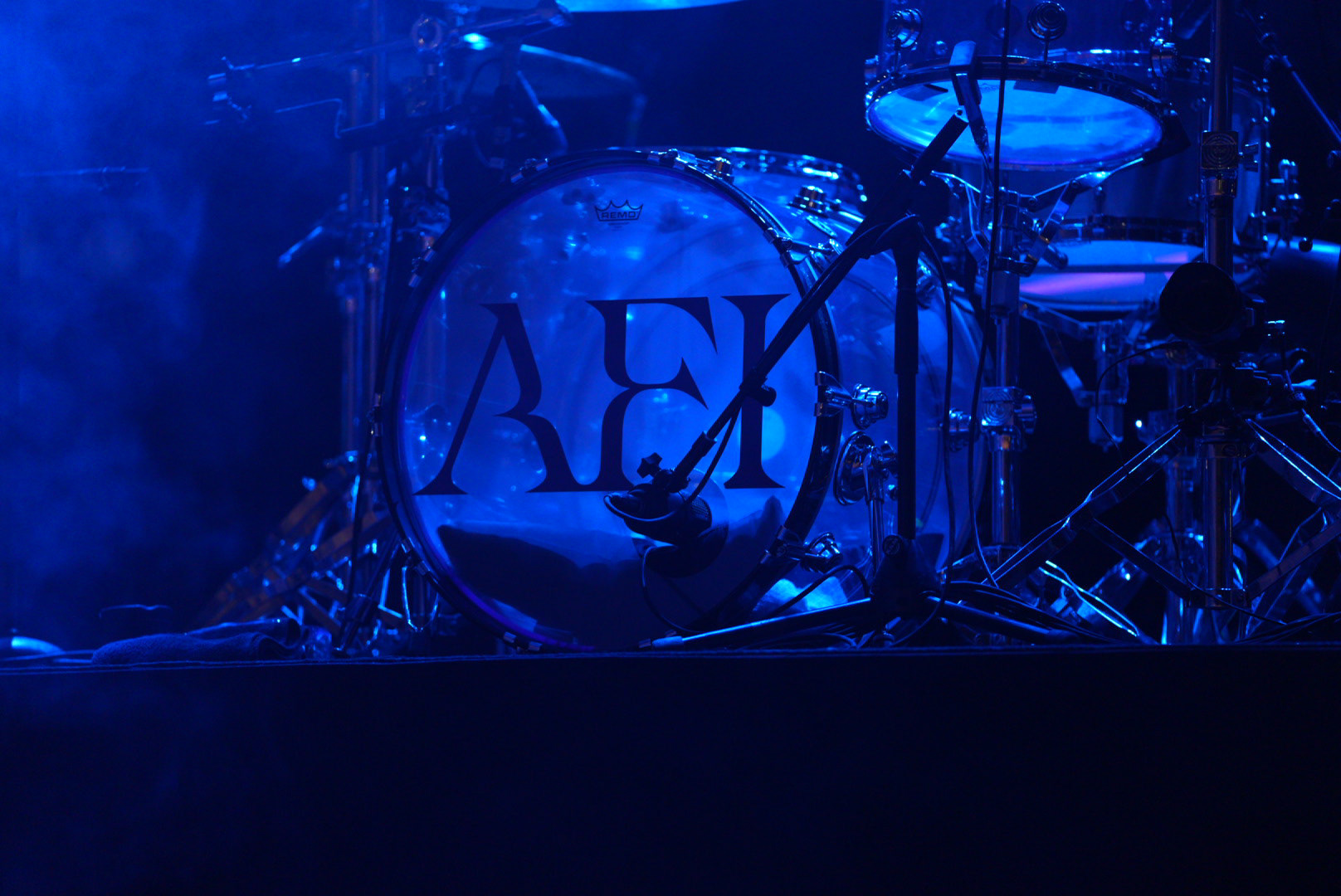
AFI
The Beautiful Things Still Burn
The Observatory Grounds
Santa Ana, California
September 19, 2026
There is something strange about watching a band you grew up with become part of the architecture of your own memory.
There is something strange about watching a band you grew up with become part of the architecture of your own memory.
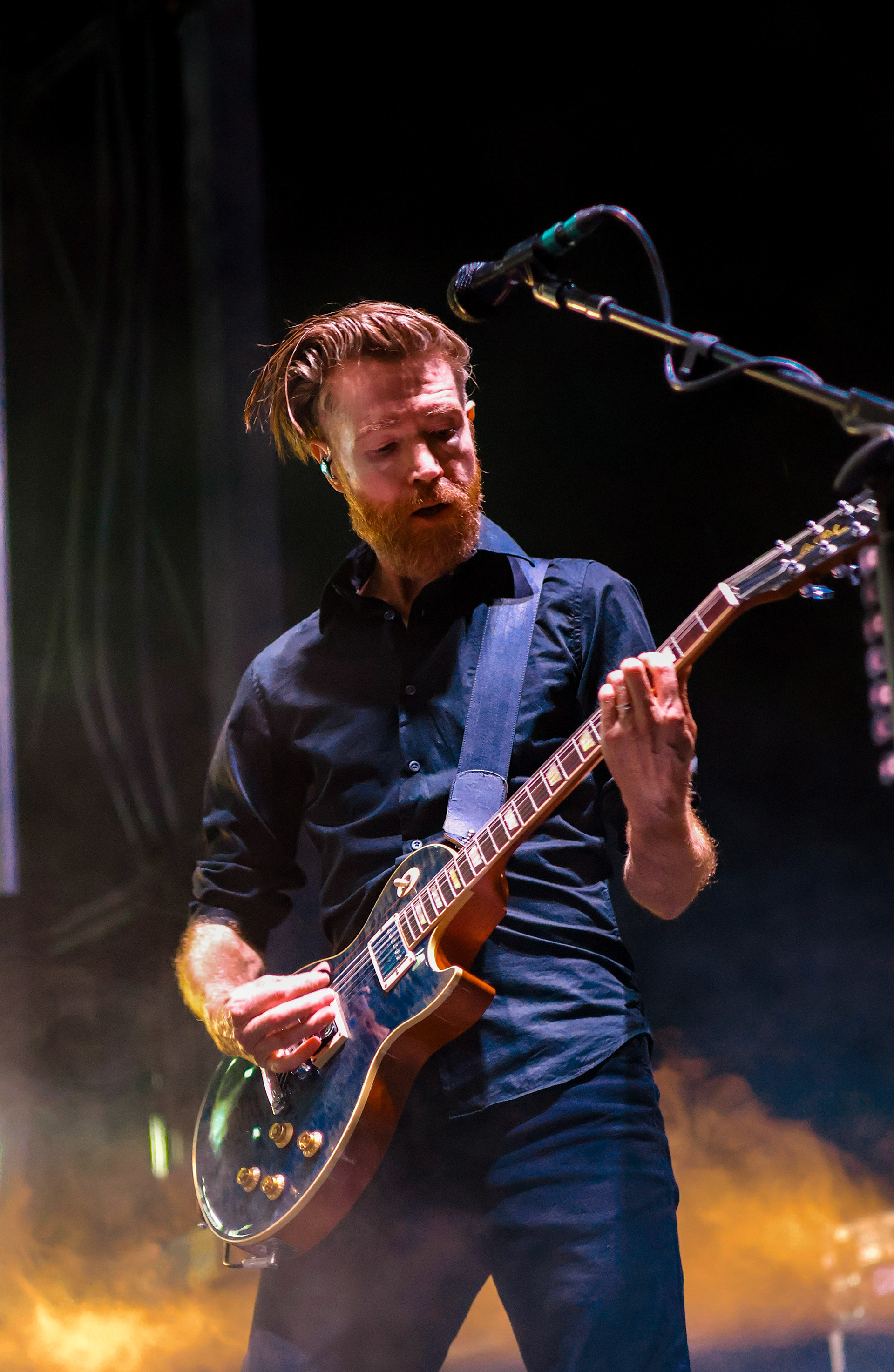
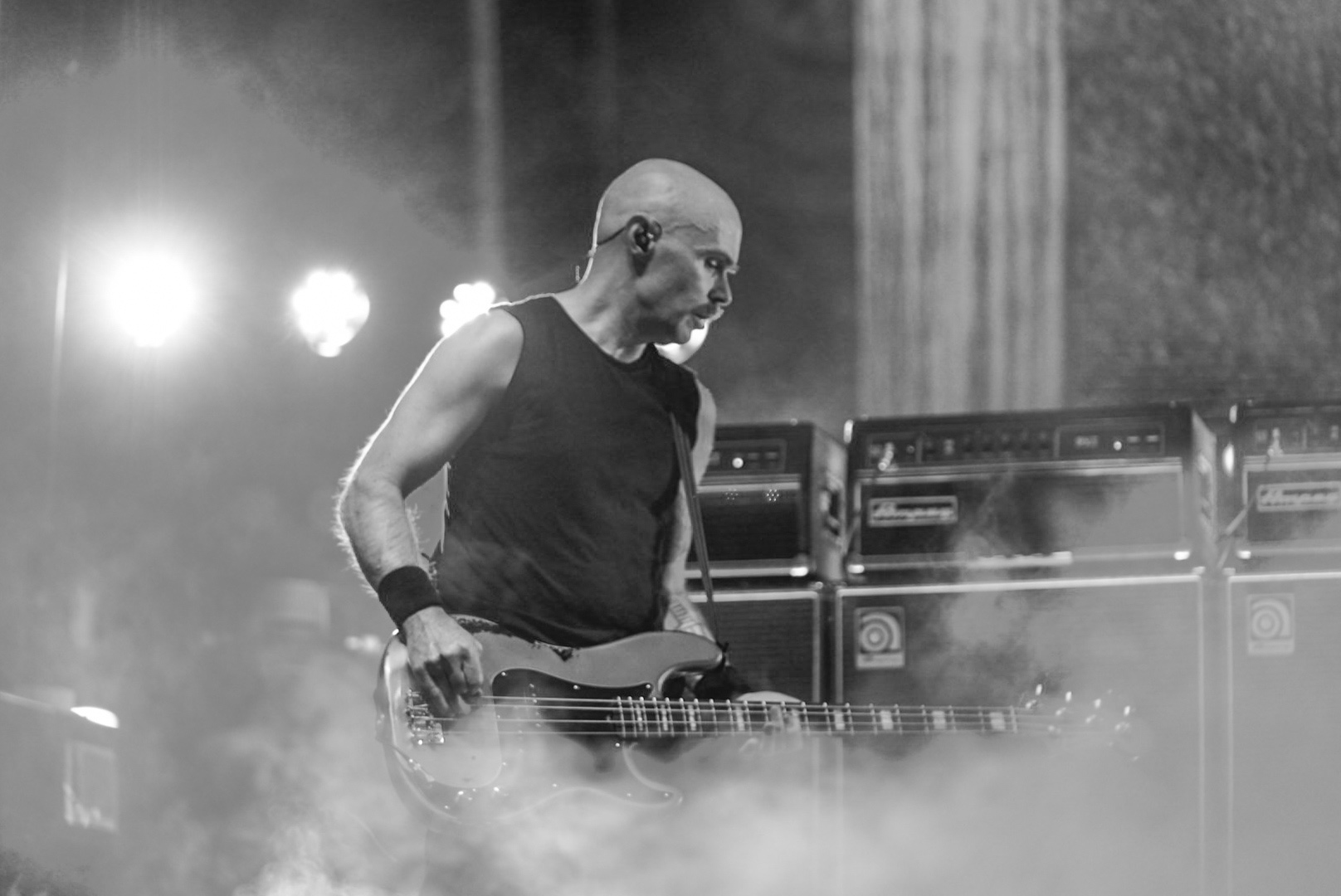
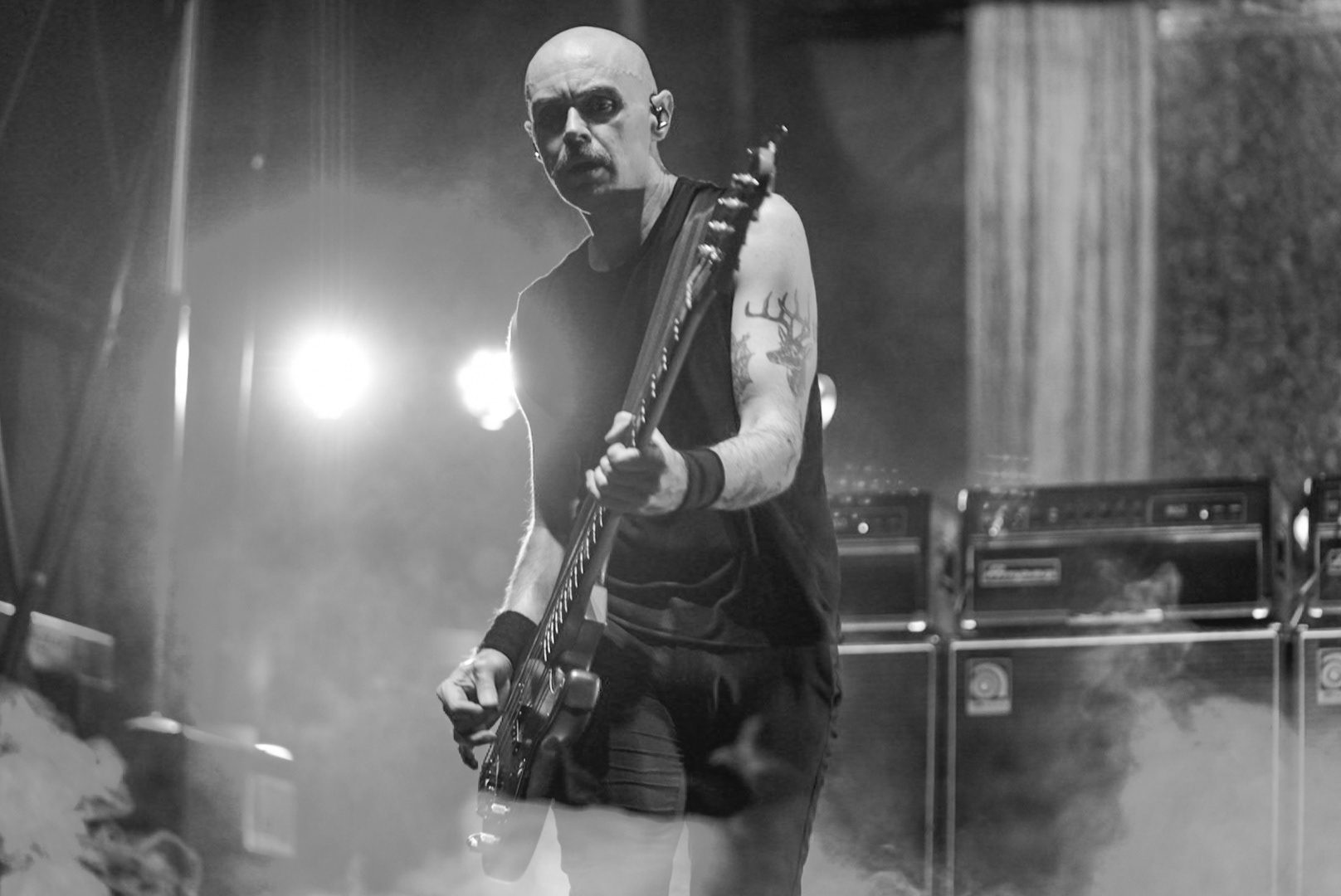
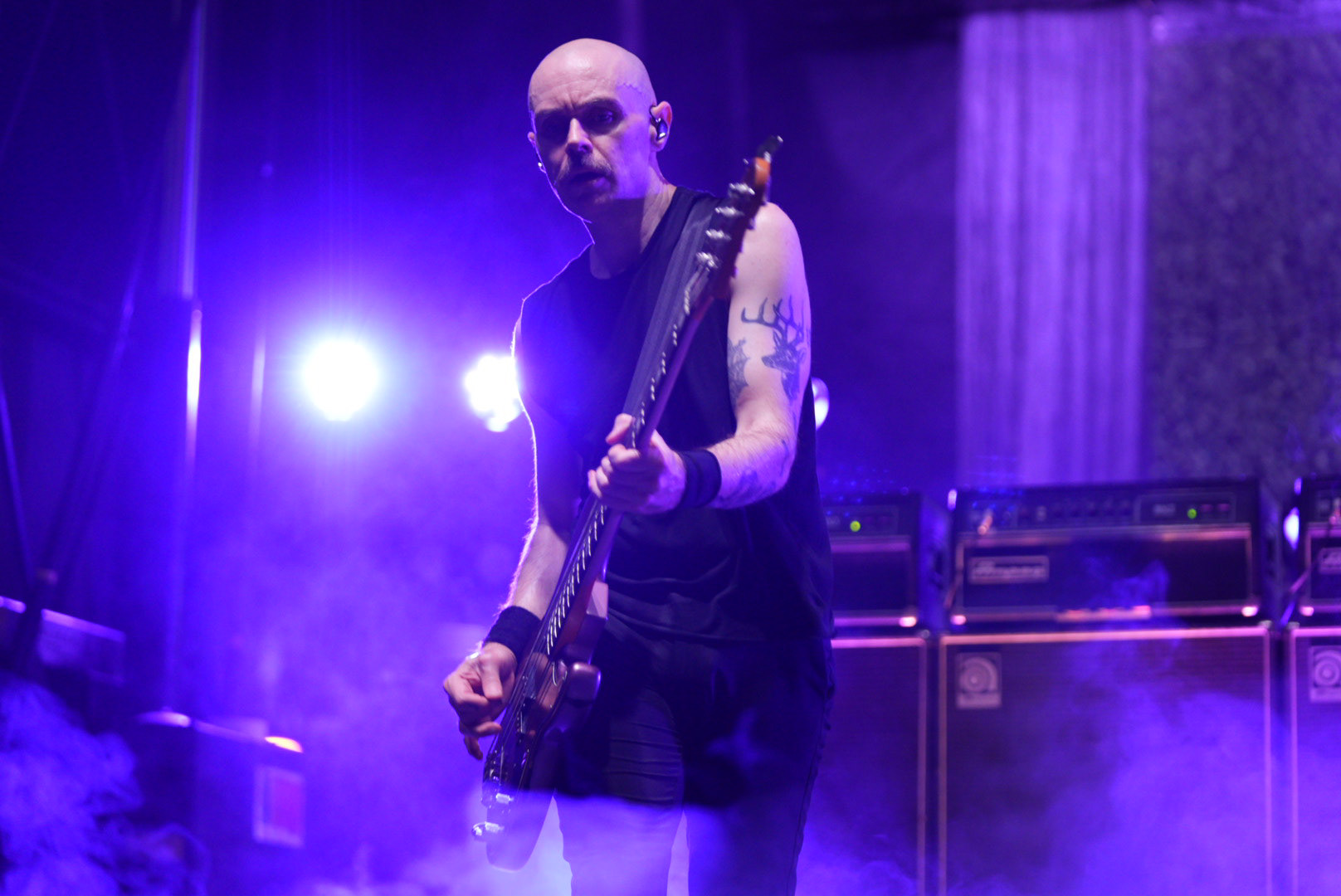
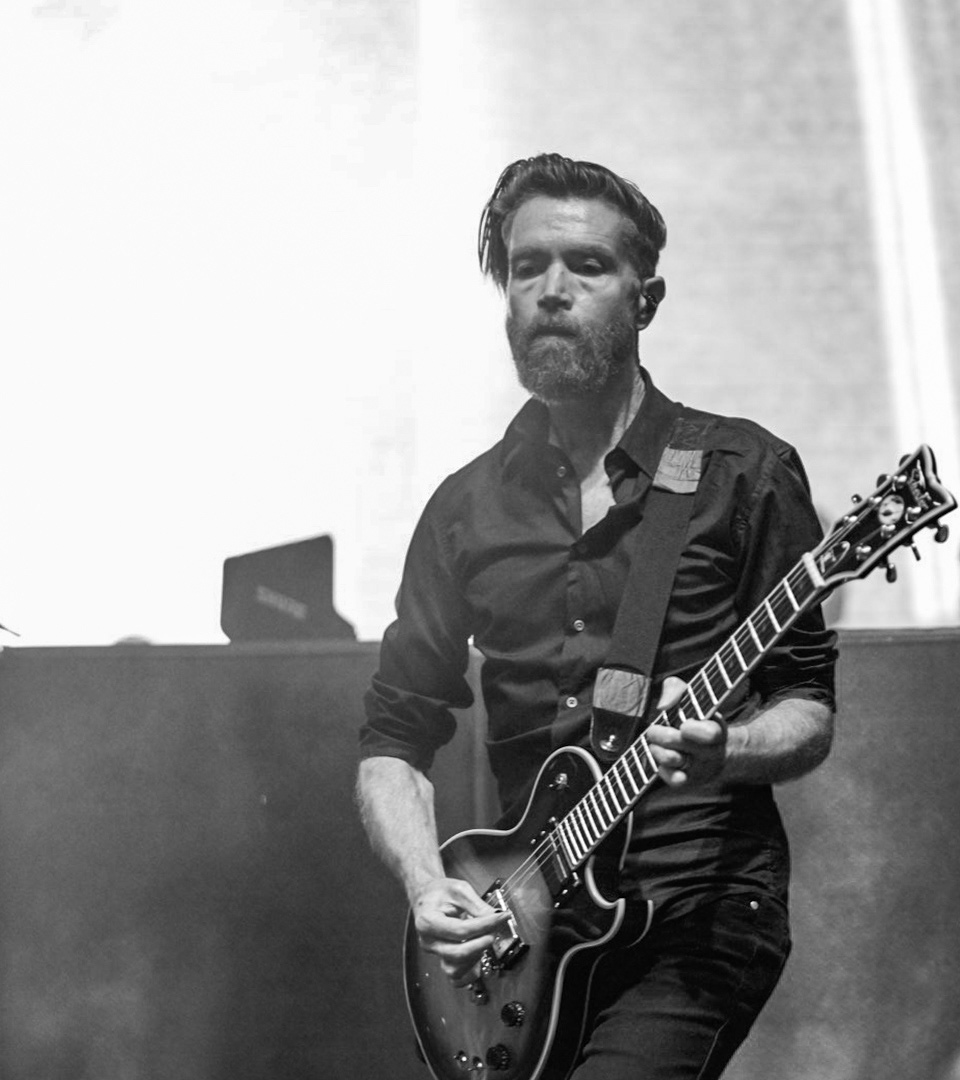
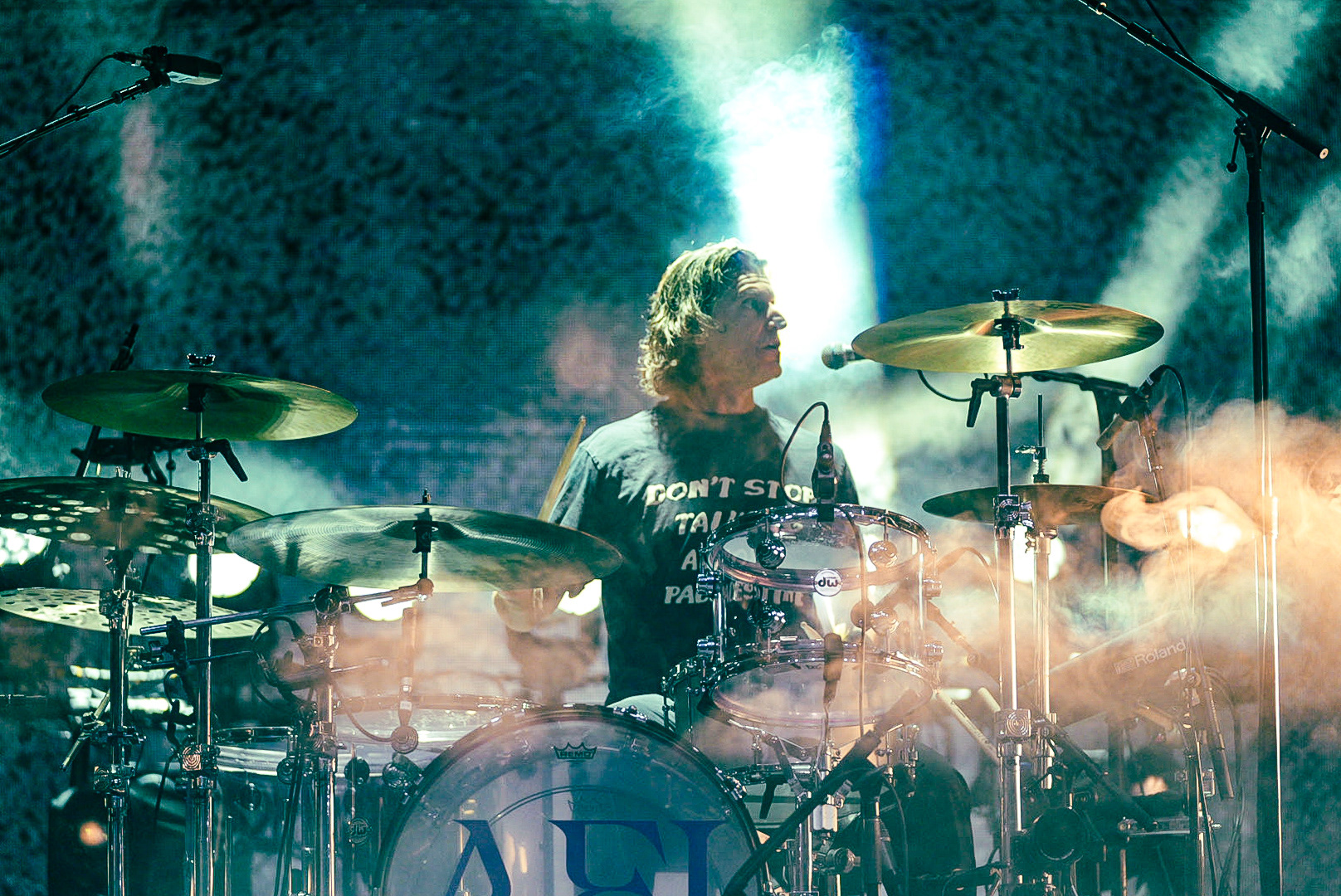
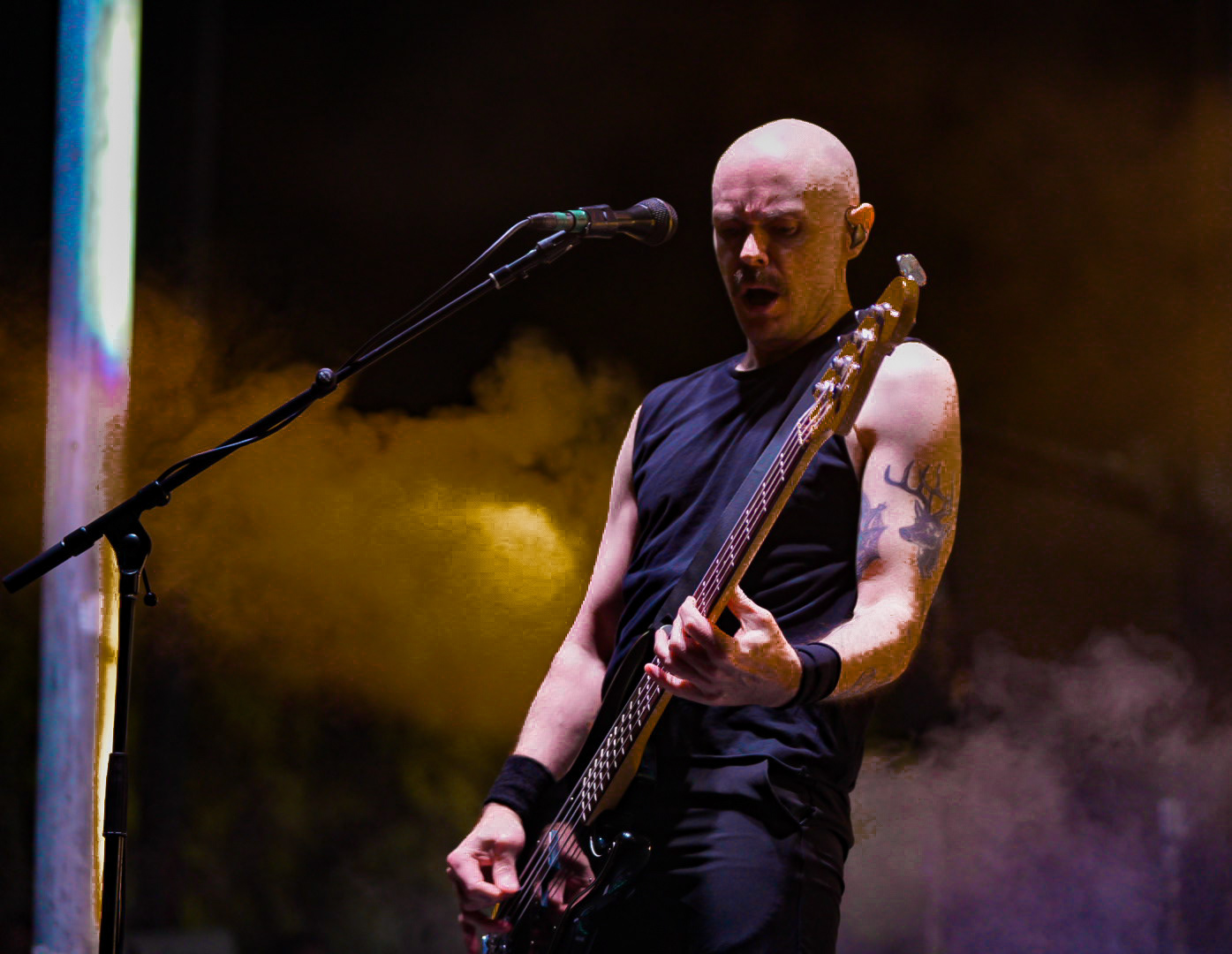
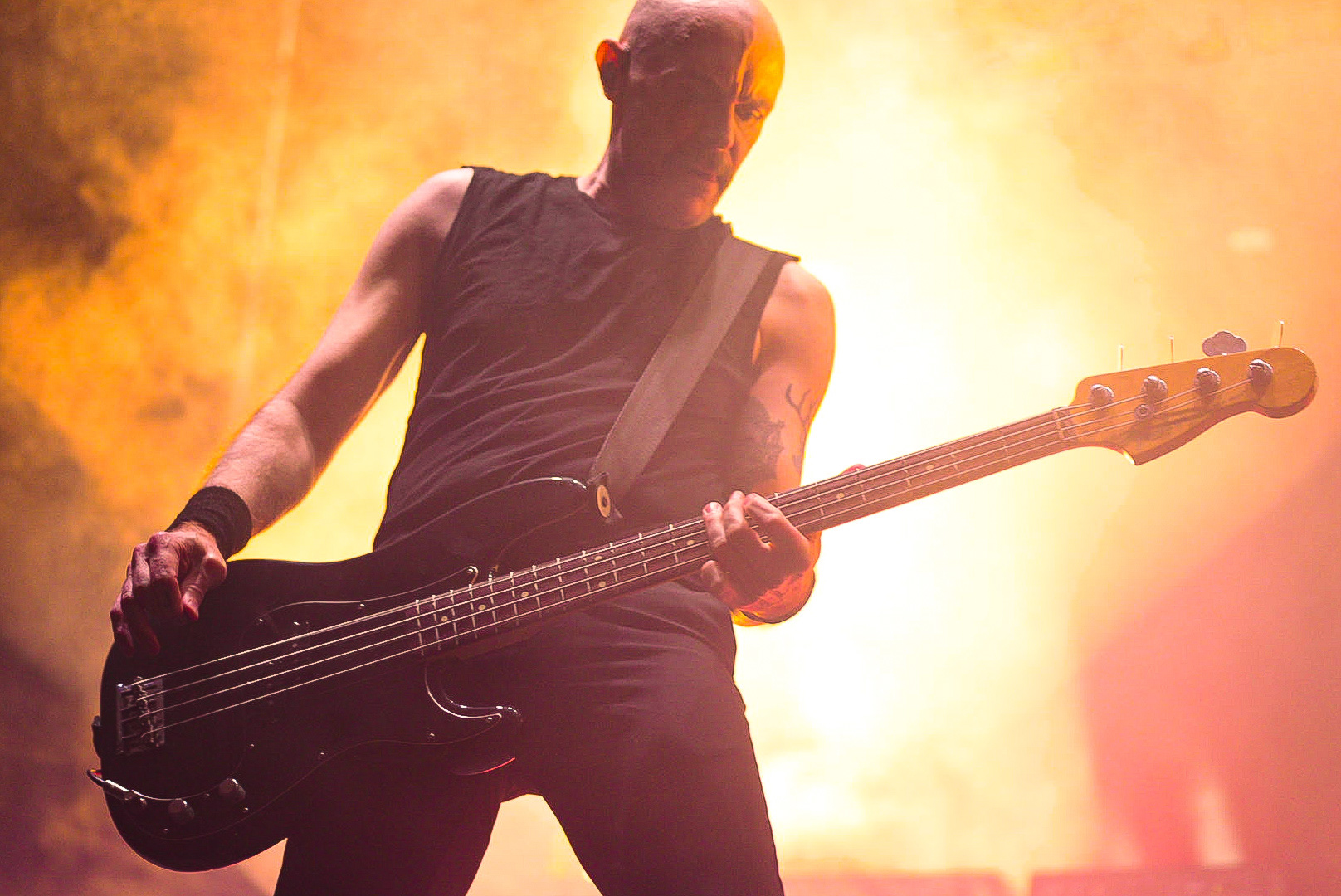
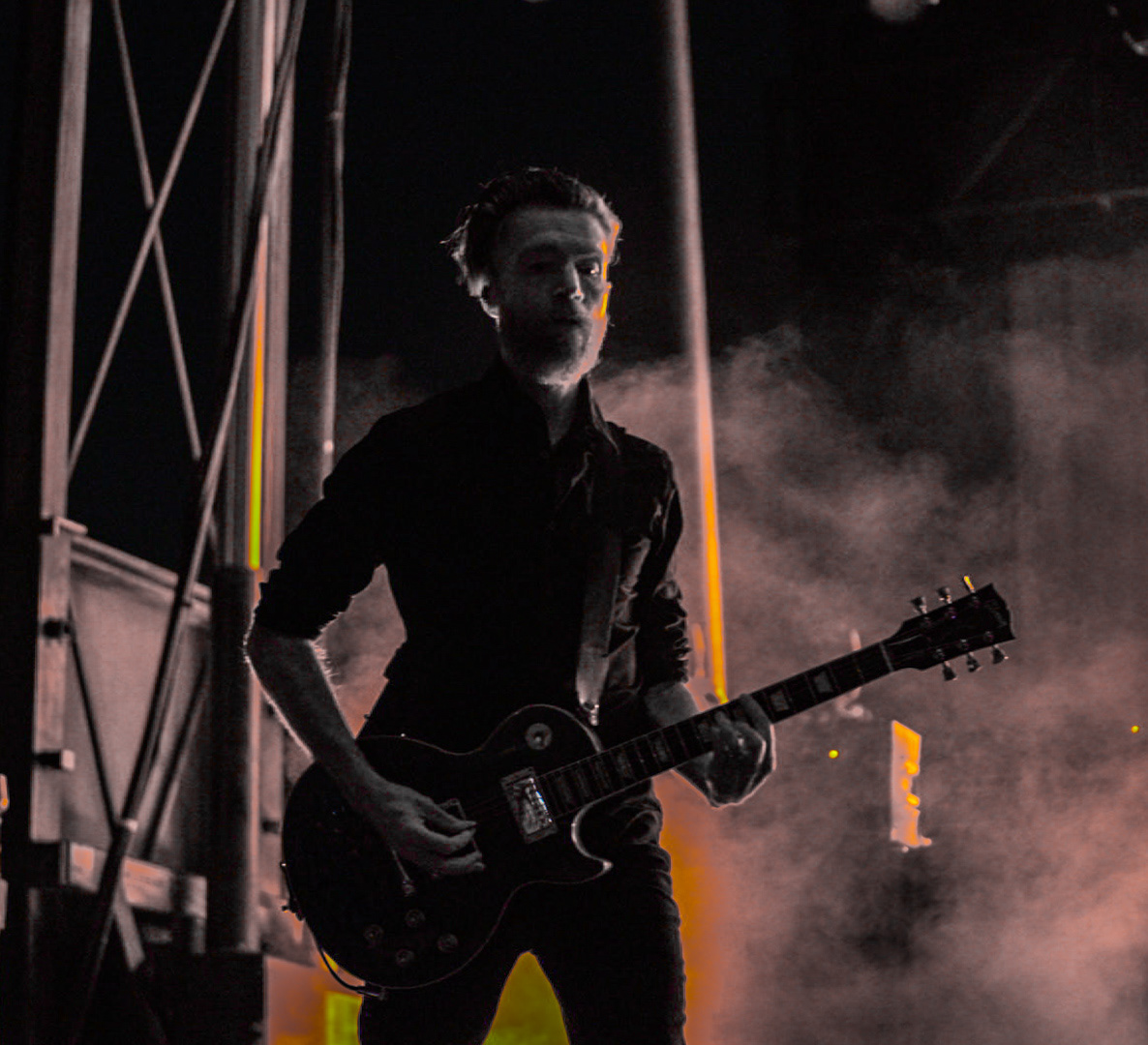
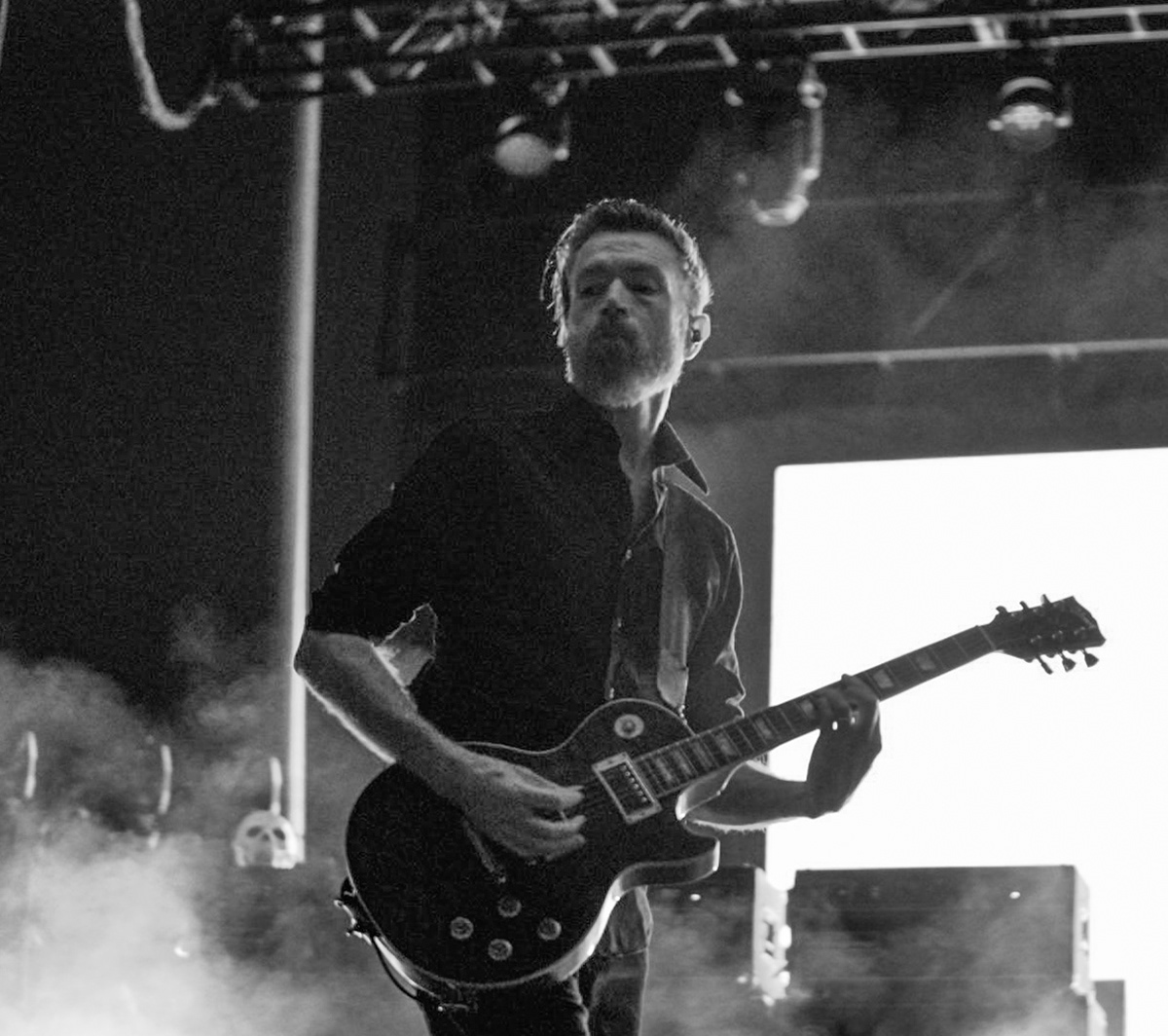
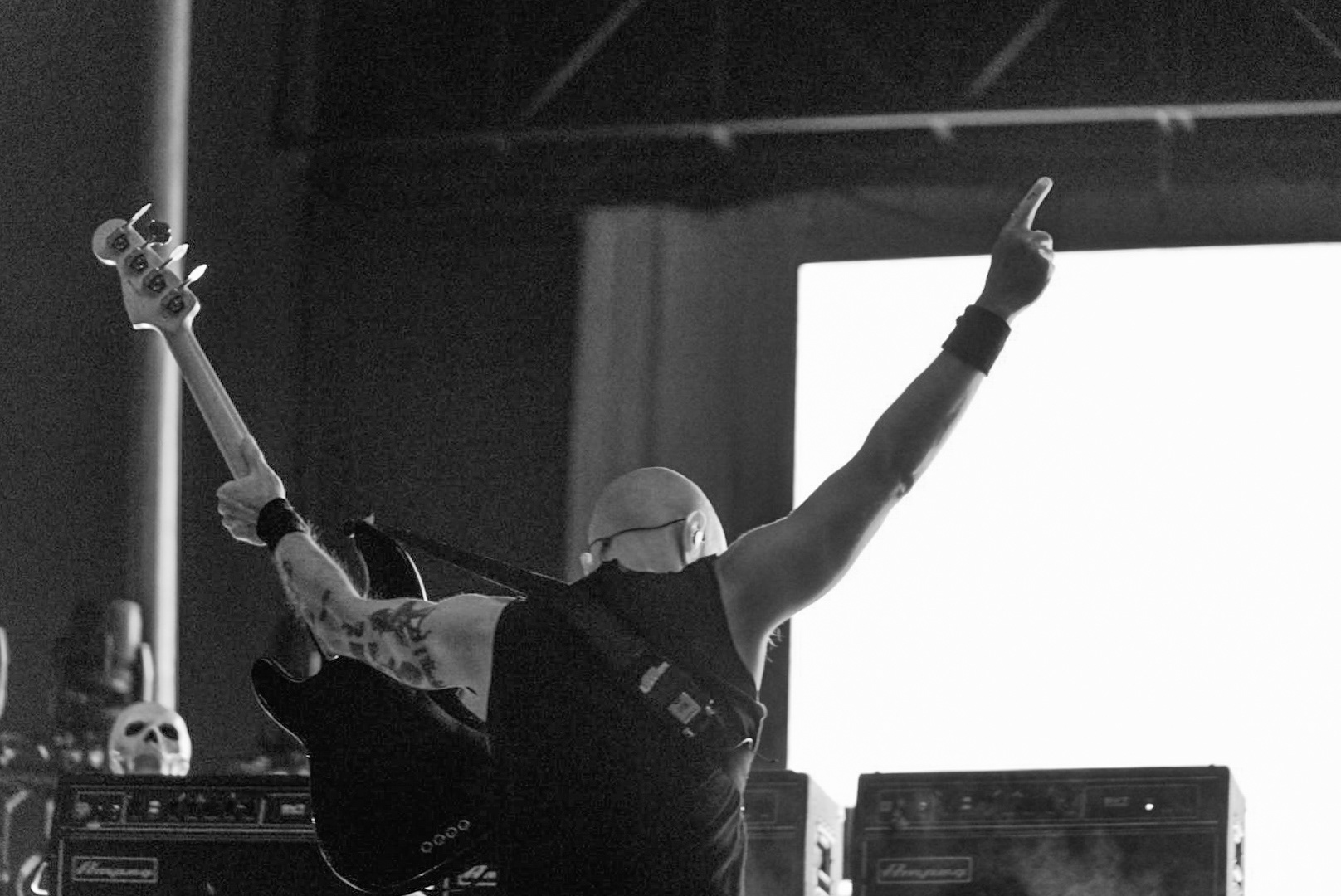
AFI have existed in enough different forms that seeing them live can feel like opening several old versions of yourself at once: the early hardcore years, the black clad Sing the Sorrow era, the explosion of Decemberunderground, and everything that followed. Different records, different clothes, different crowds, but somehow the same four people standing underneath the lights.
On September 19, The Observatory Grounds in Santa Ana became another chapter in that history.
“Strength Through Wounding” opened the night with its familiar darkness, immediately establishing the atmosphere. There was no gradual introduction or extended buildup. AFI simply appeared and began, with “Girl's Not Grey” and “Love Like Winter” following in quick succession. Within minutes, the years between those songs and the present seemed to disappear. The crowd knew exactly where they were, and every lyric and guitar line carried the weight of something remembered.
That has always been AFI's strange power. Their songs don't really age; they haunt.
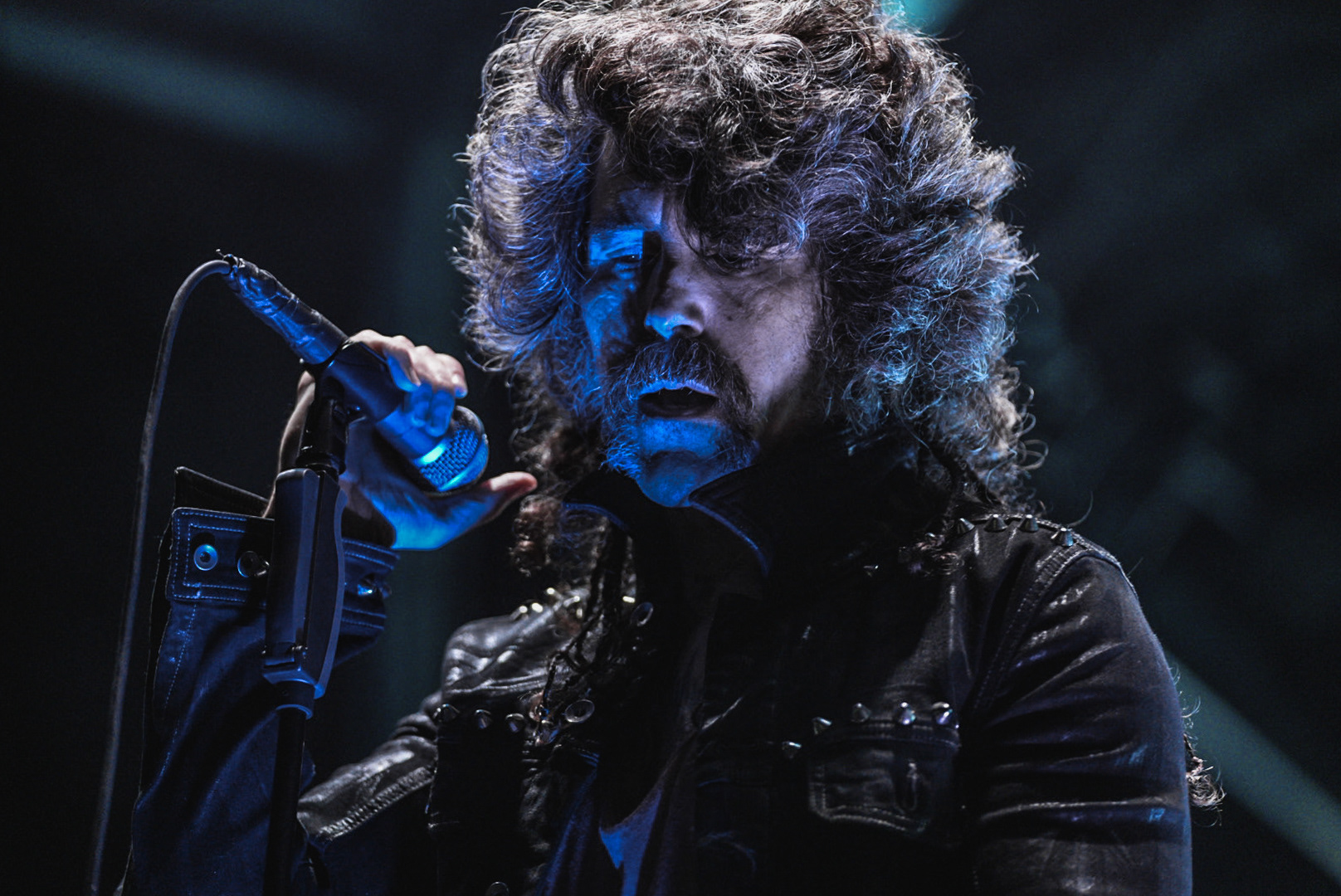
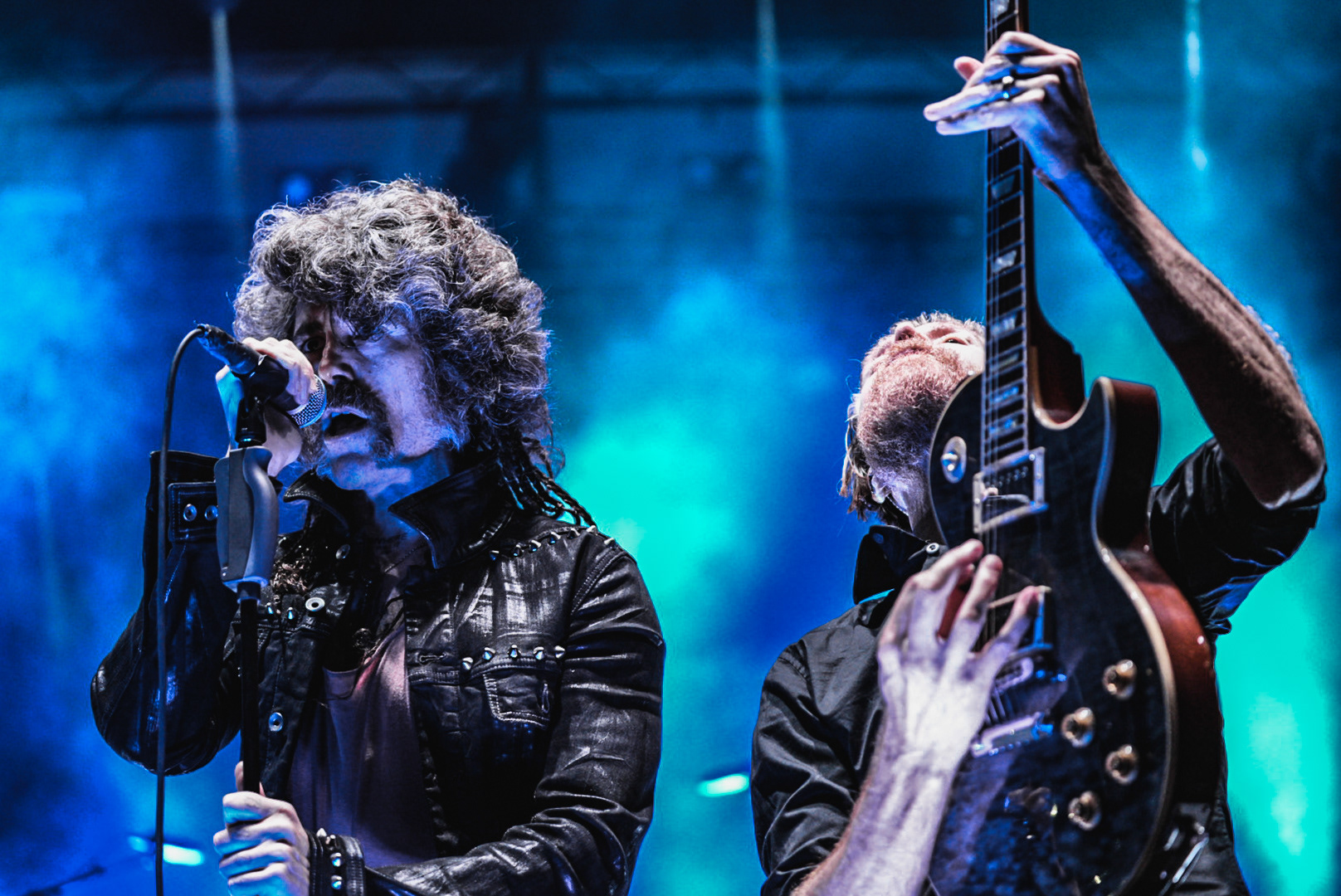
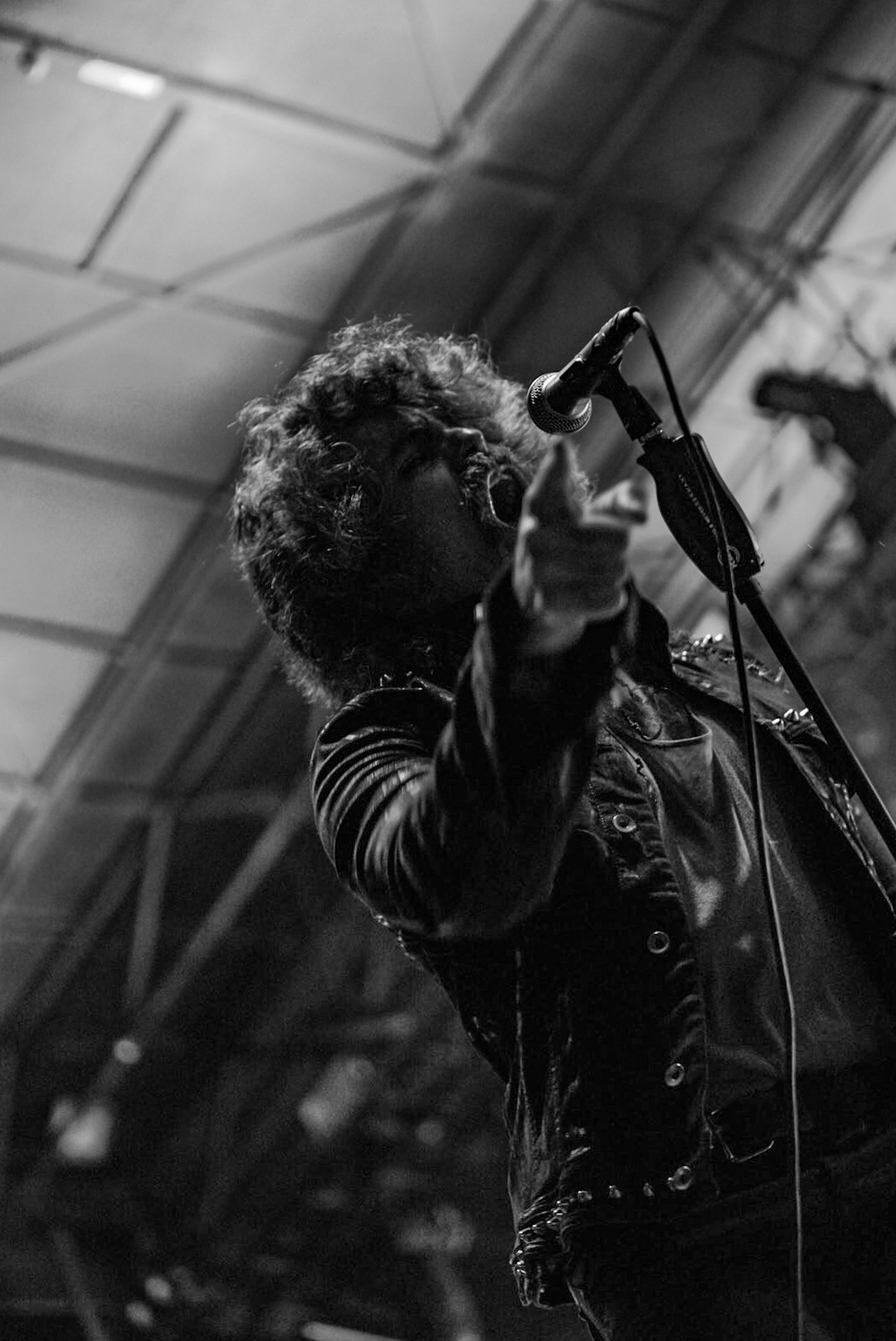
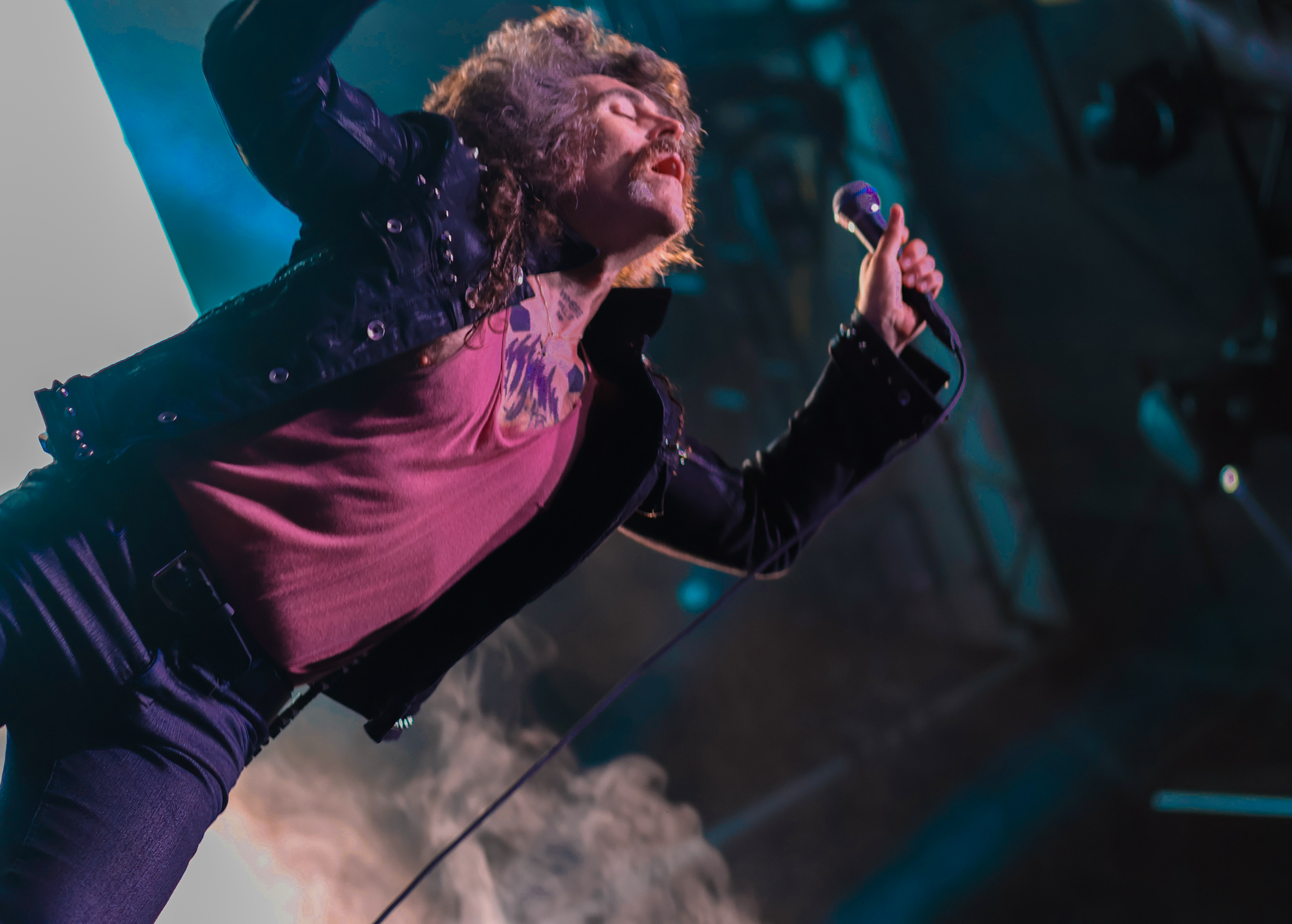
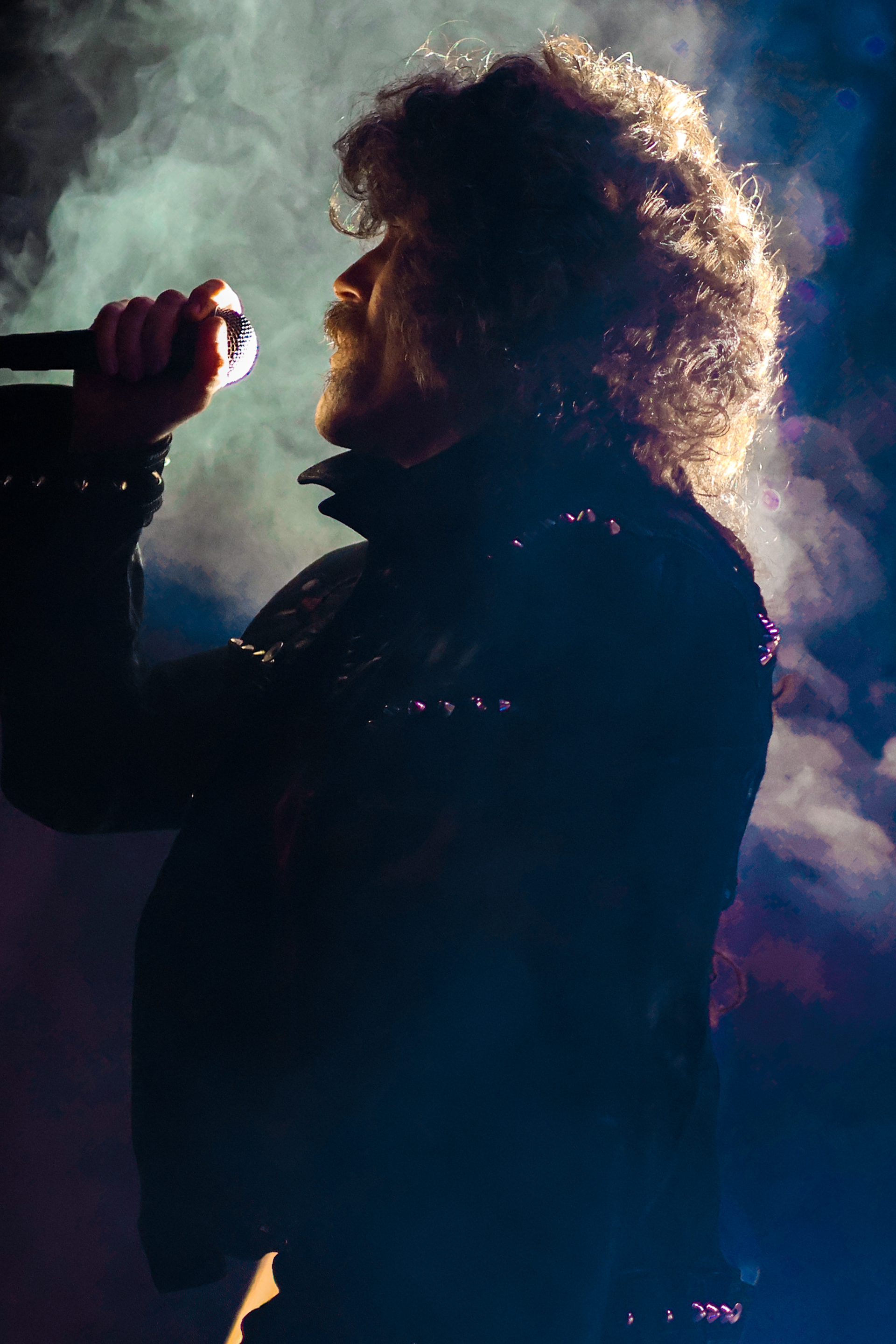
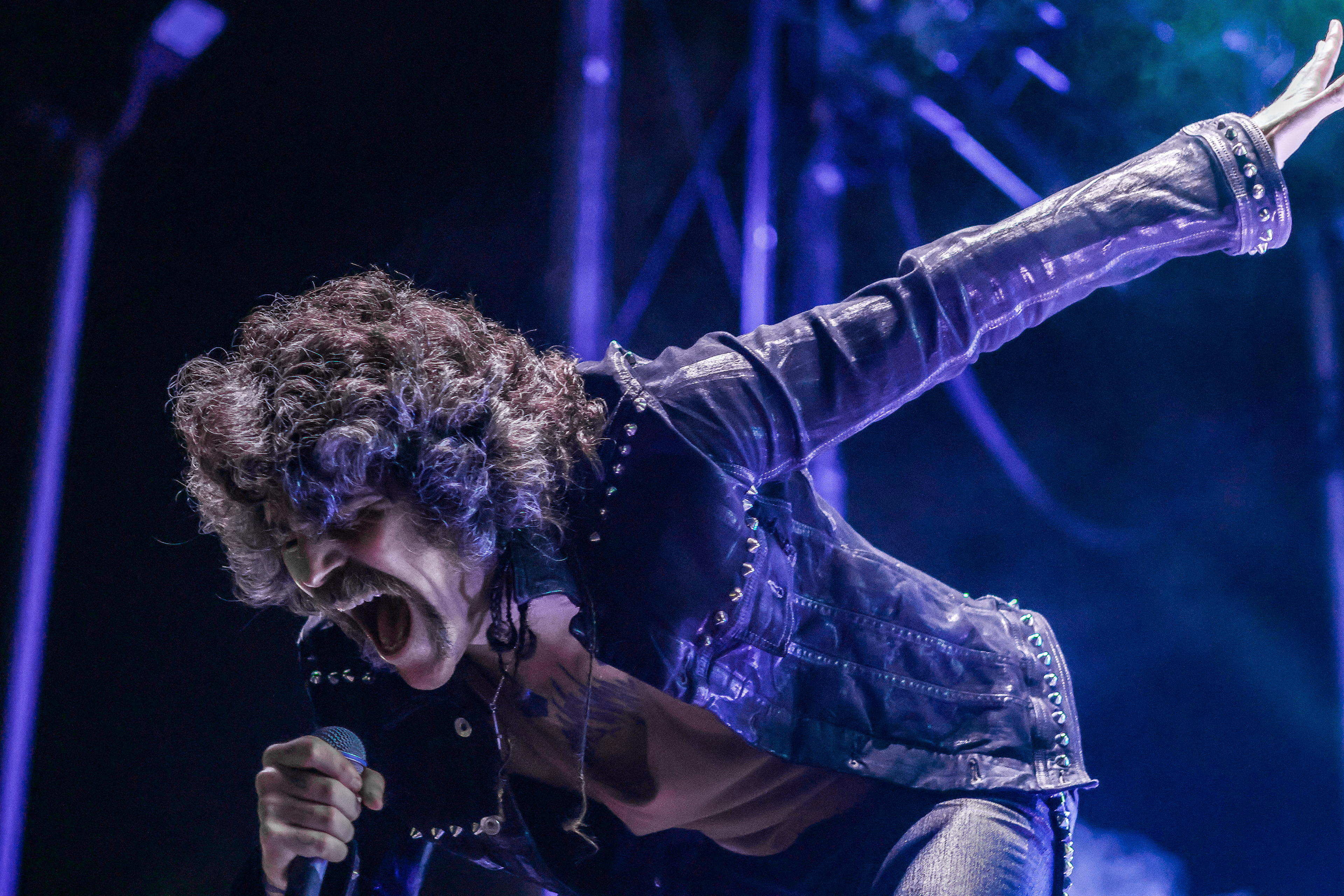
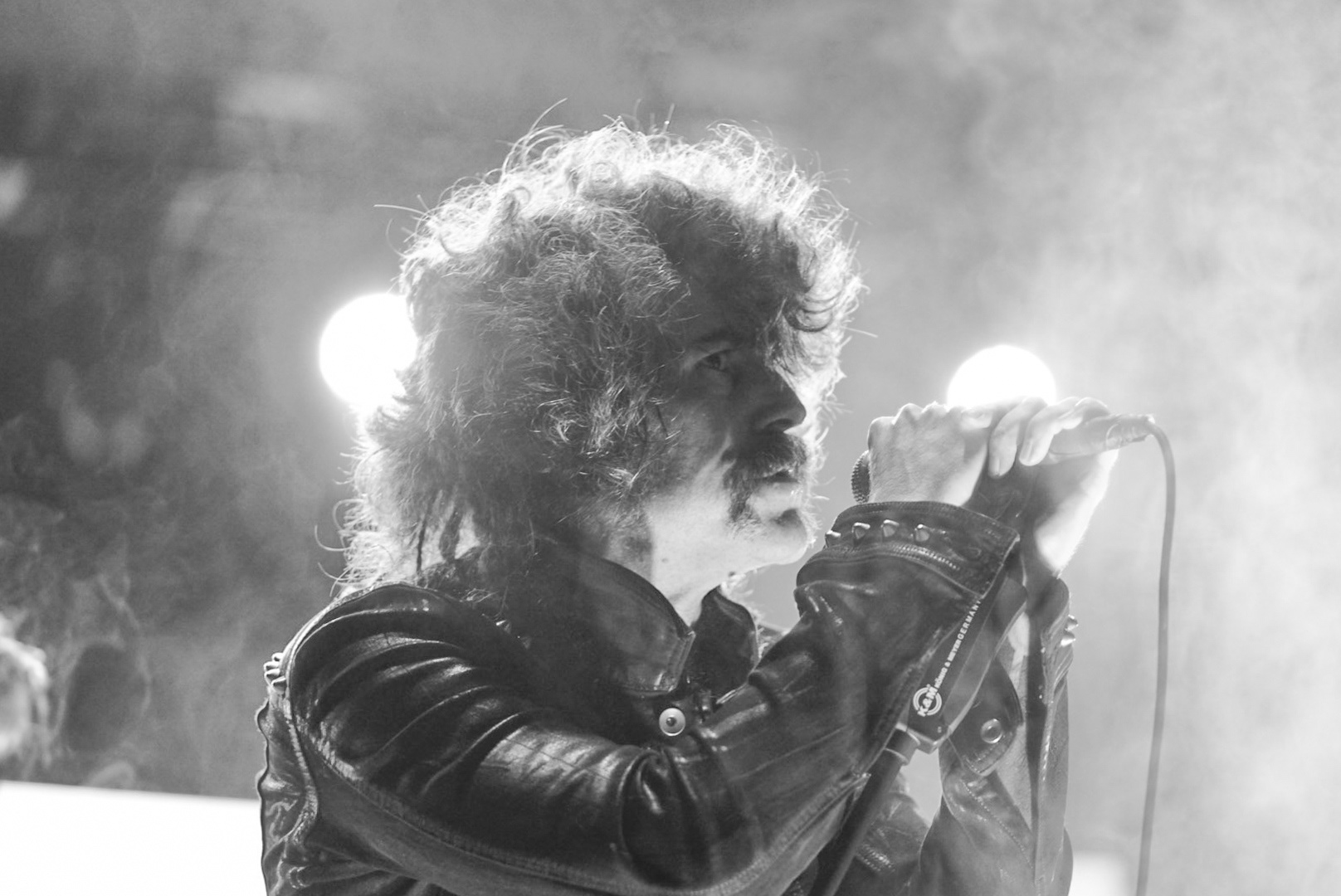
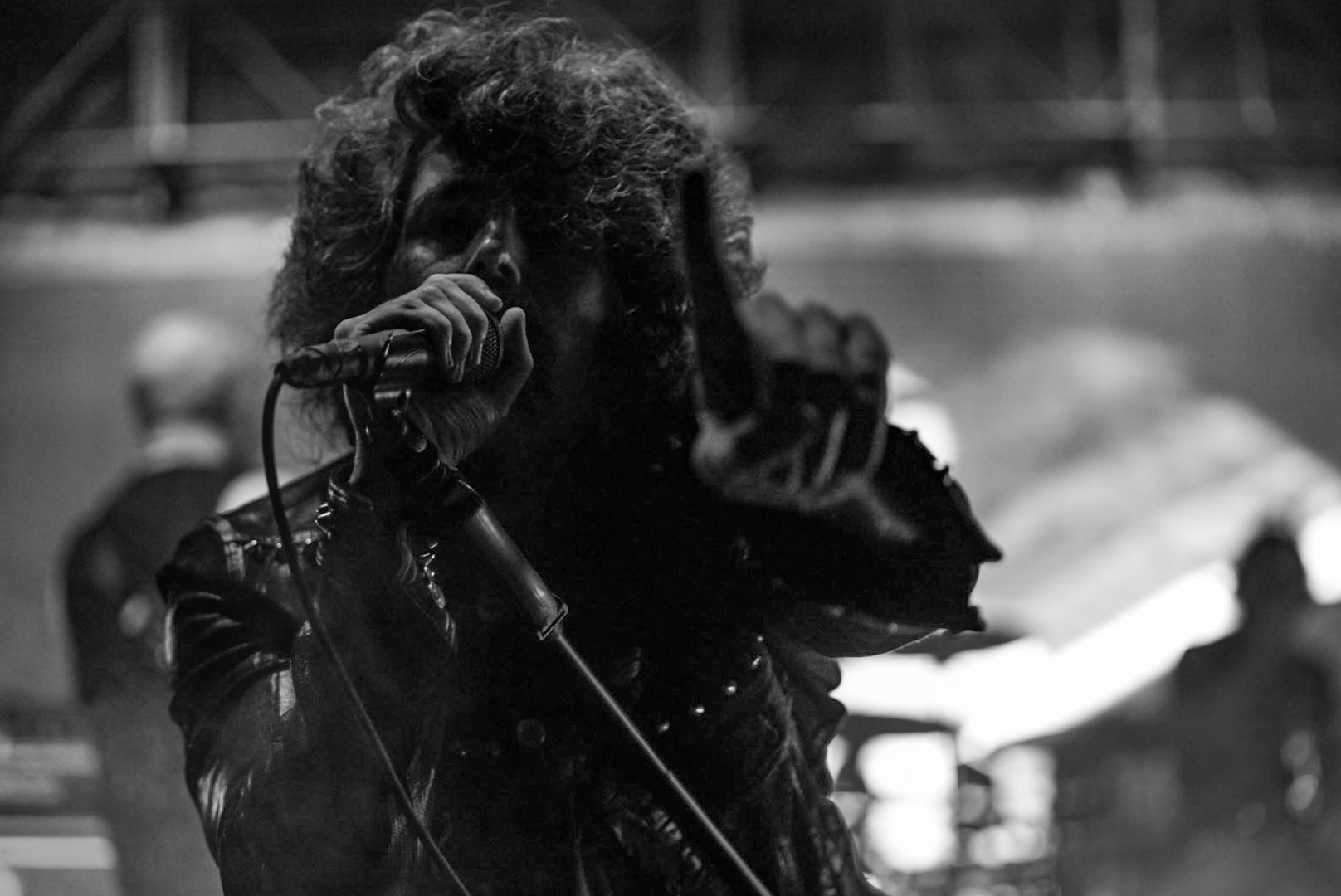
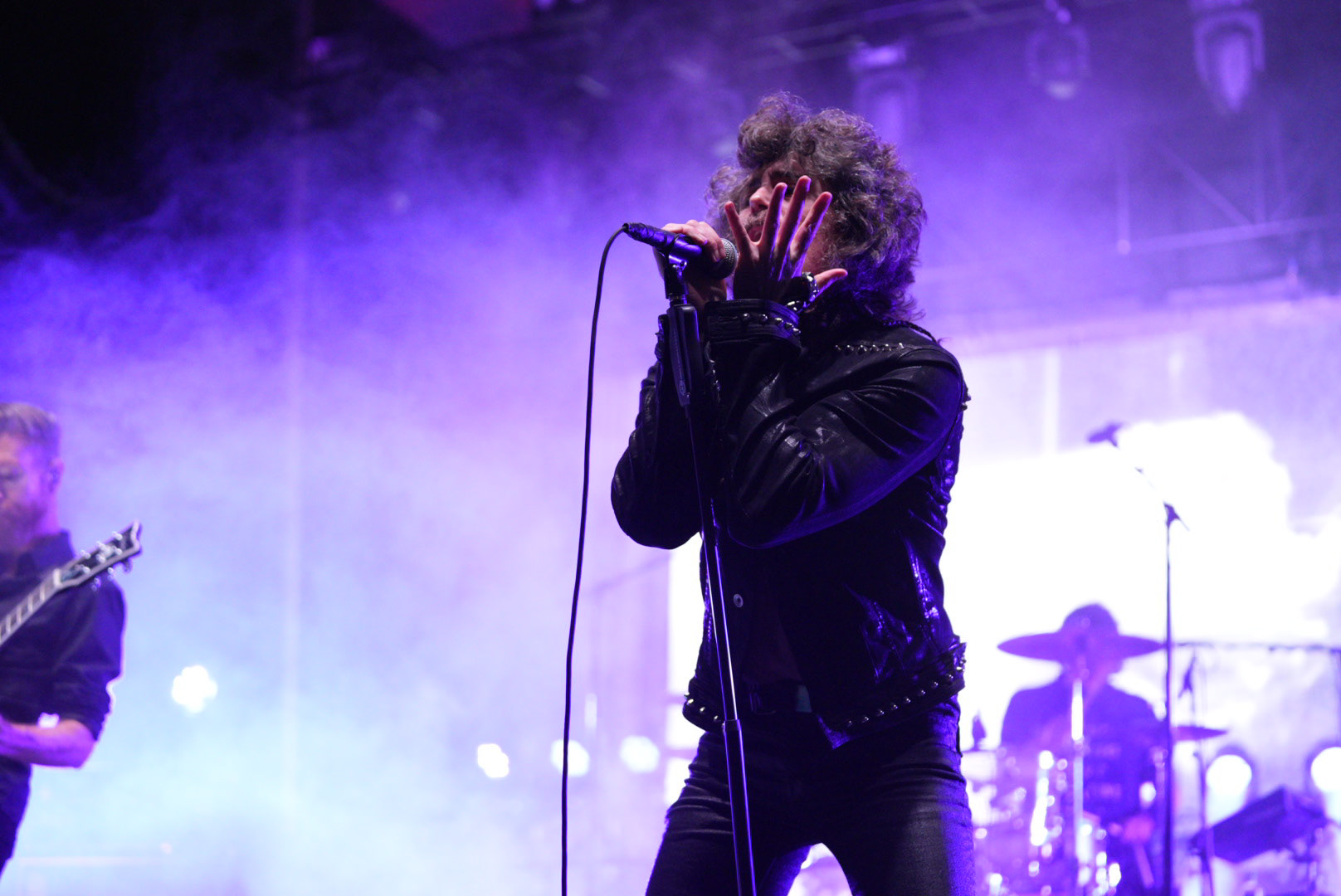
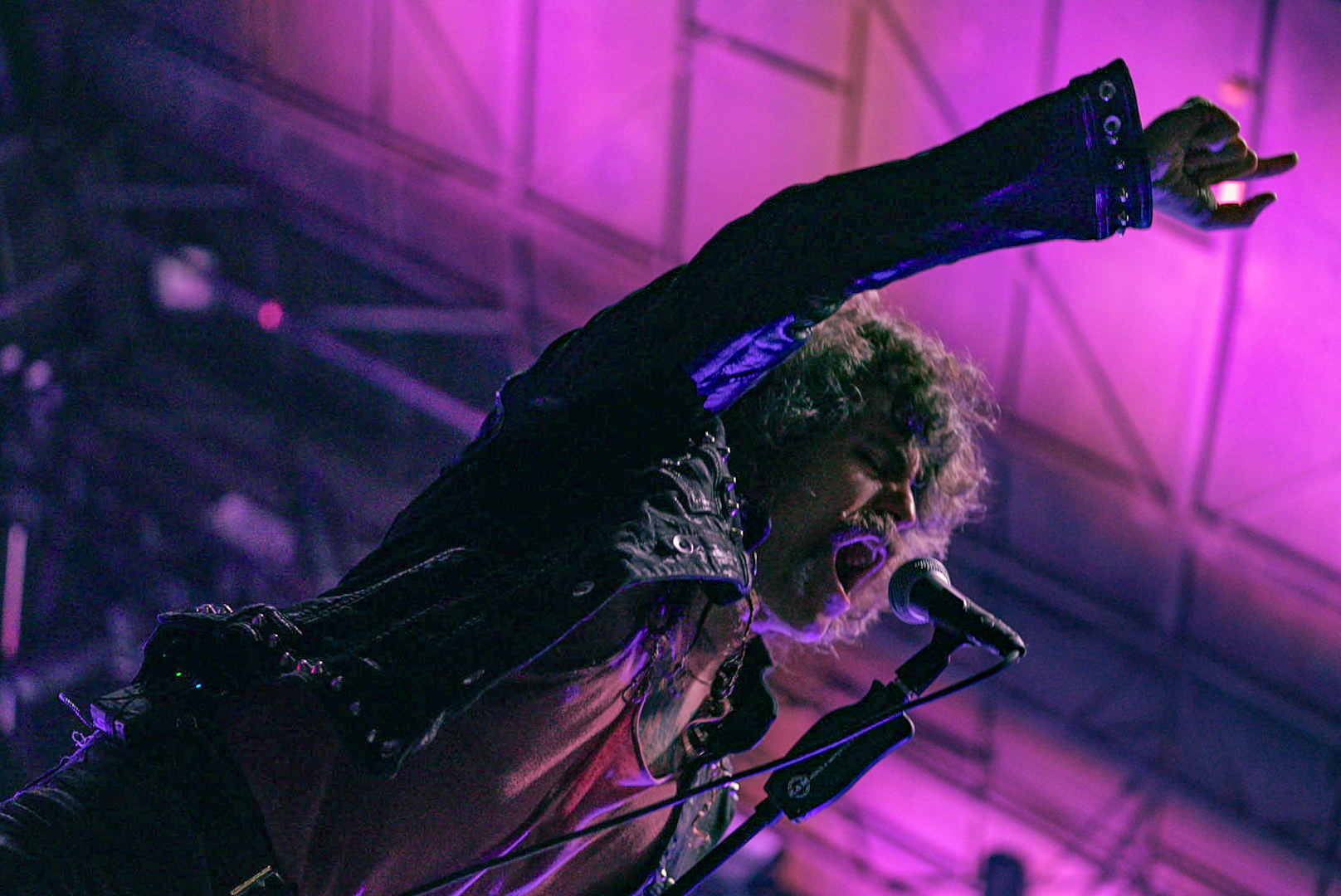
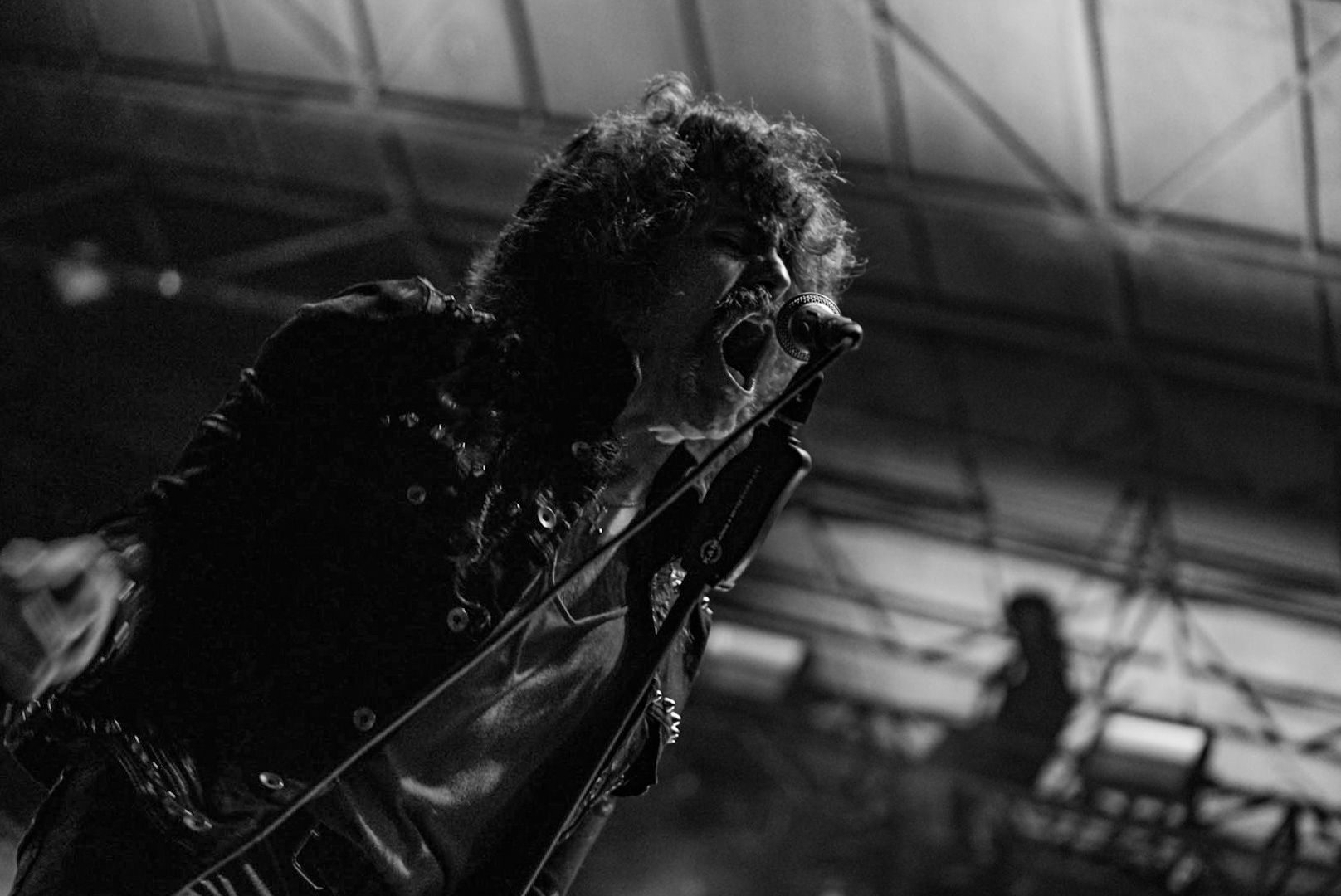
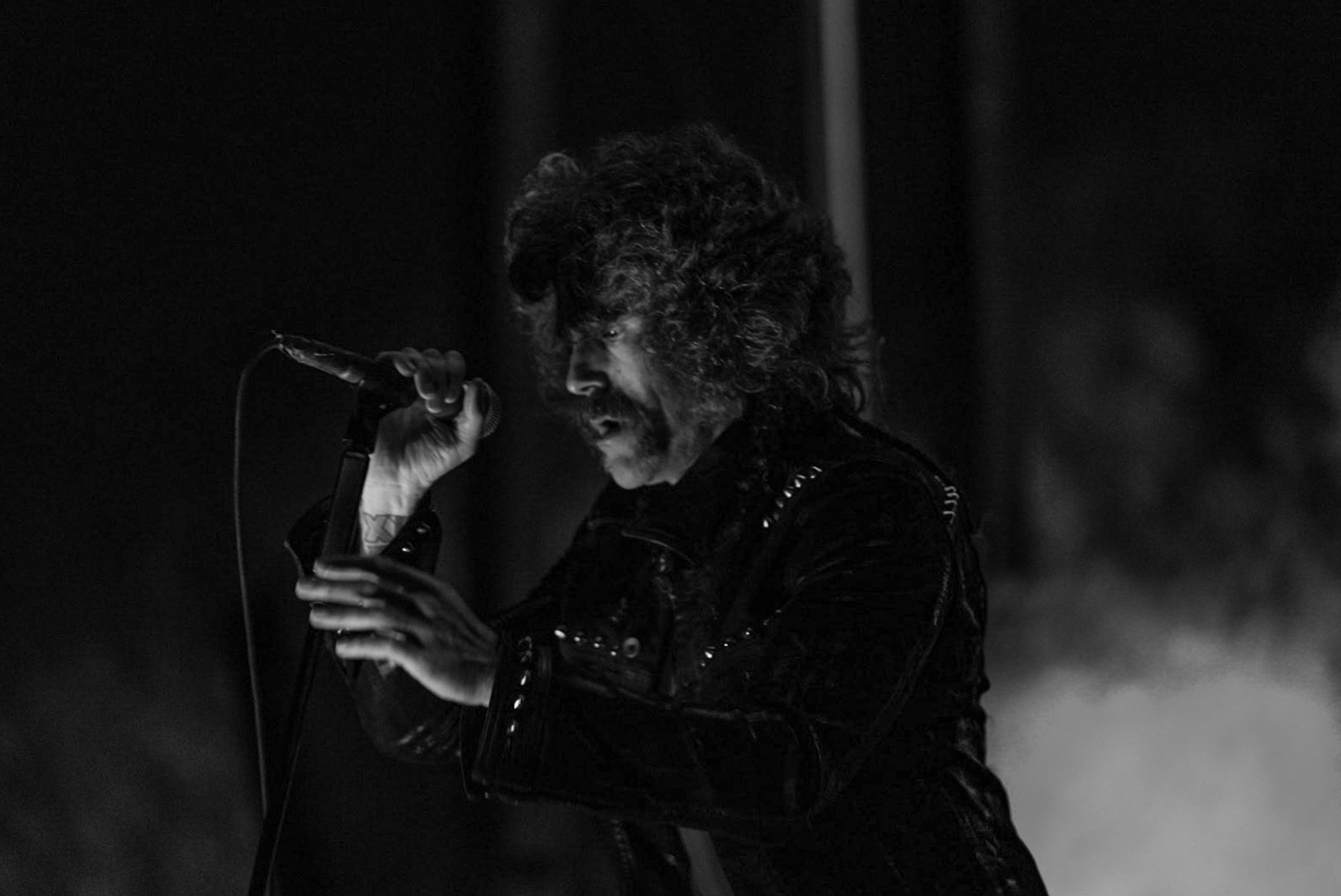
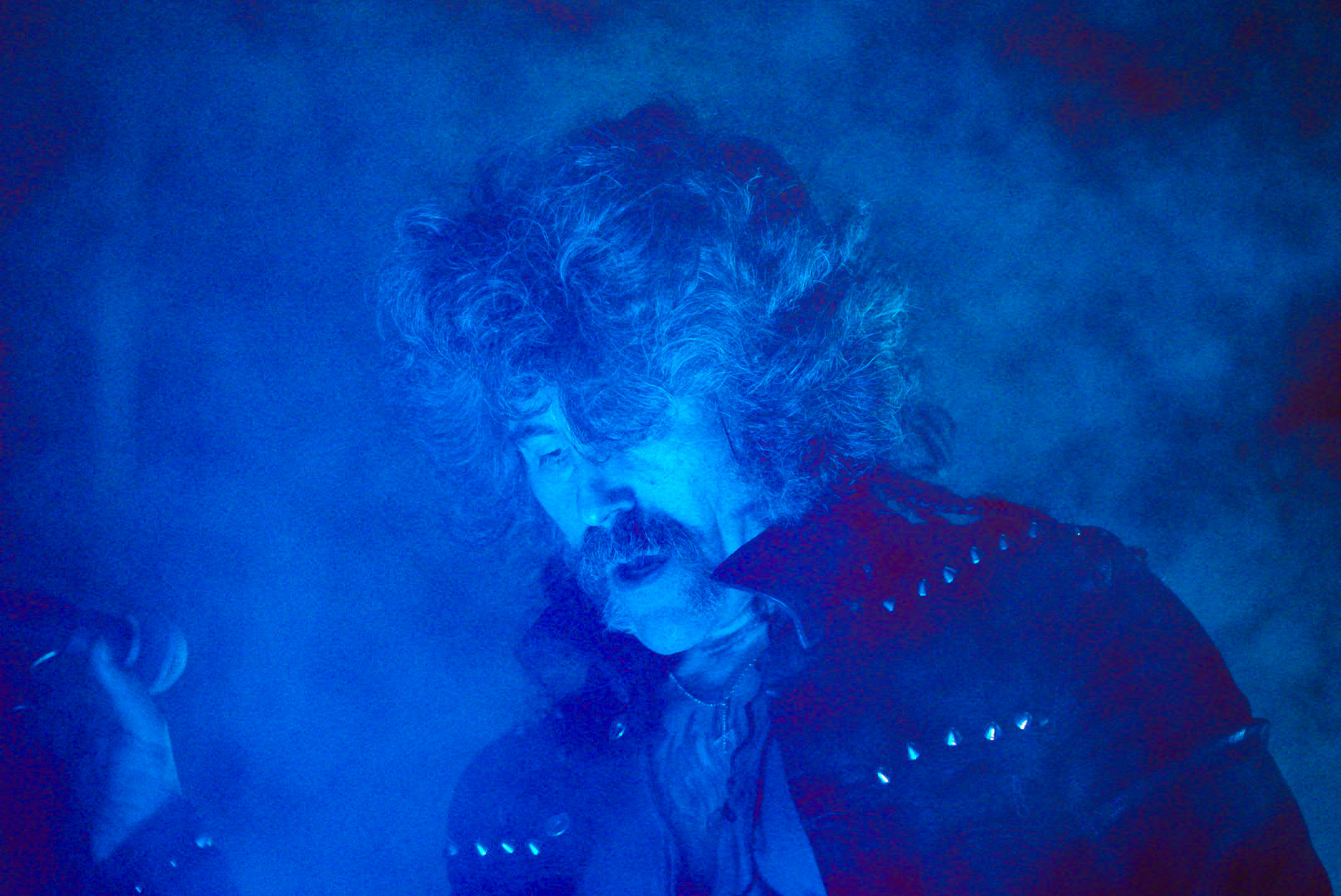
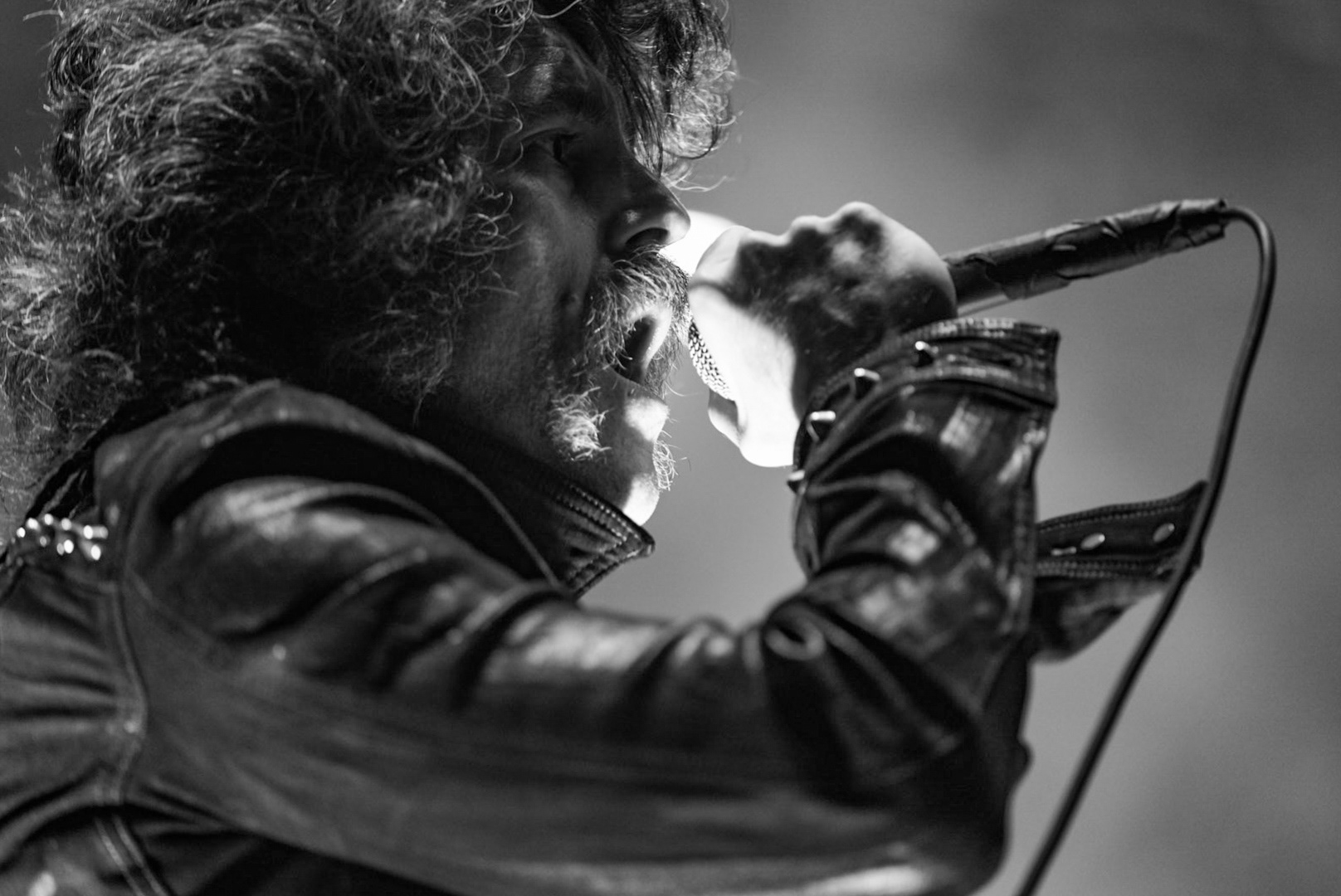
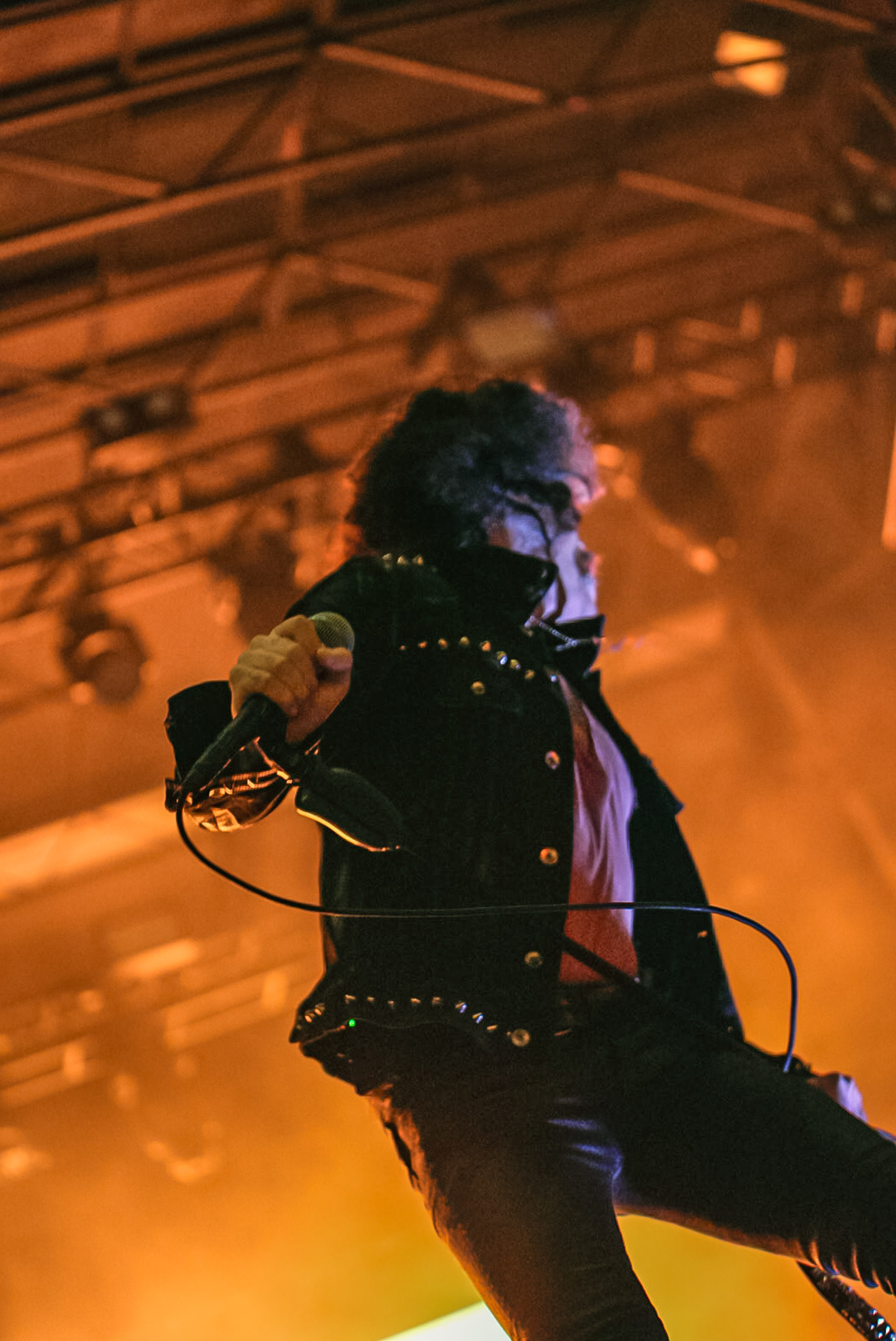
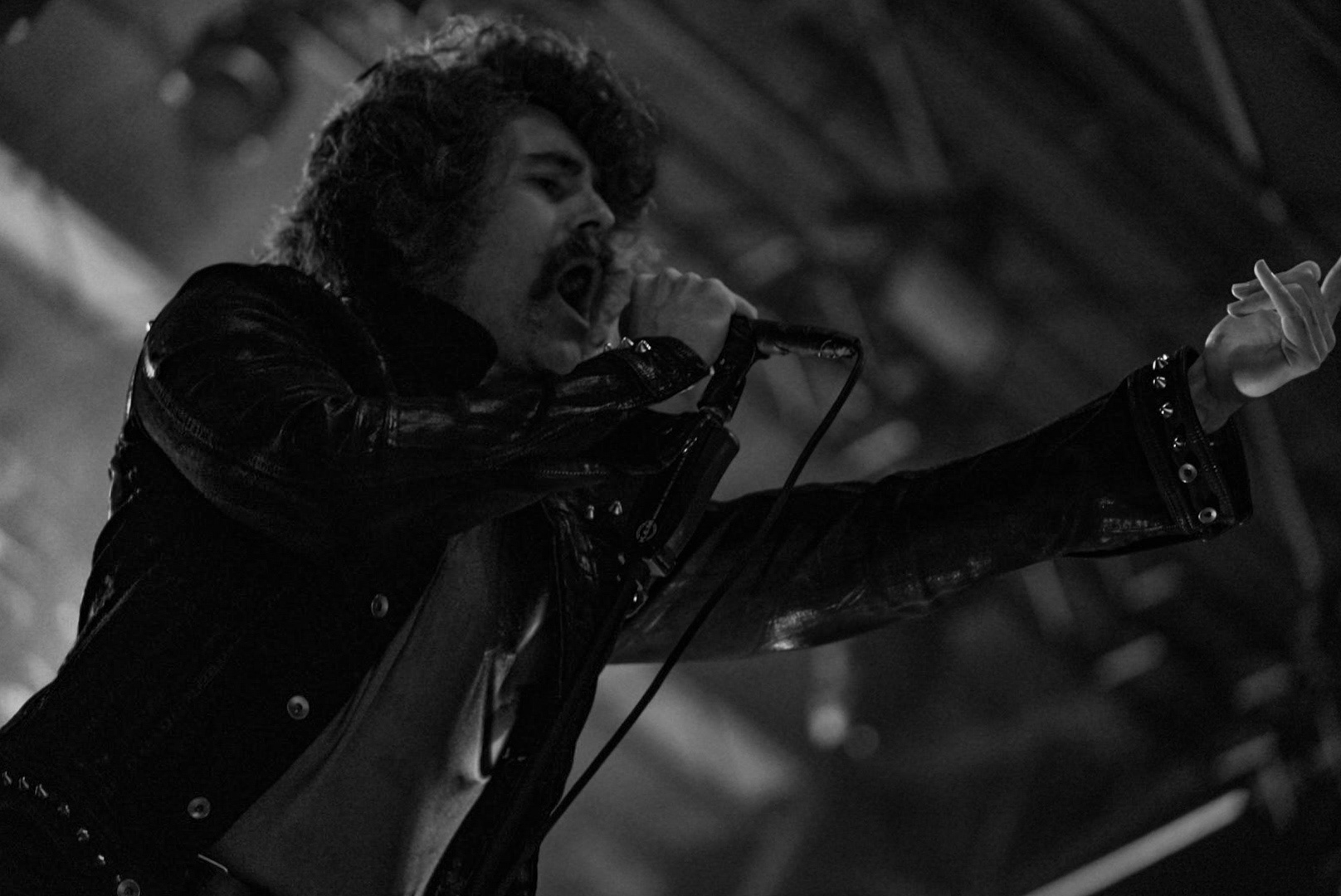
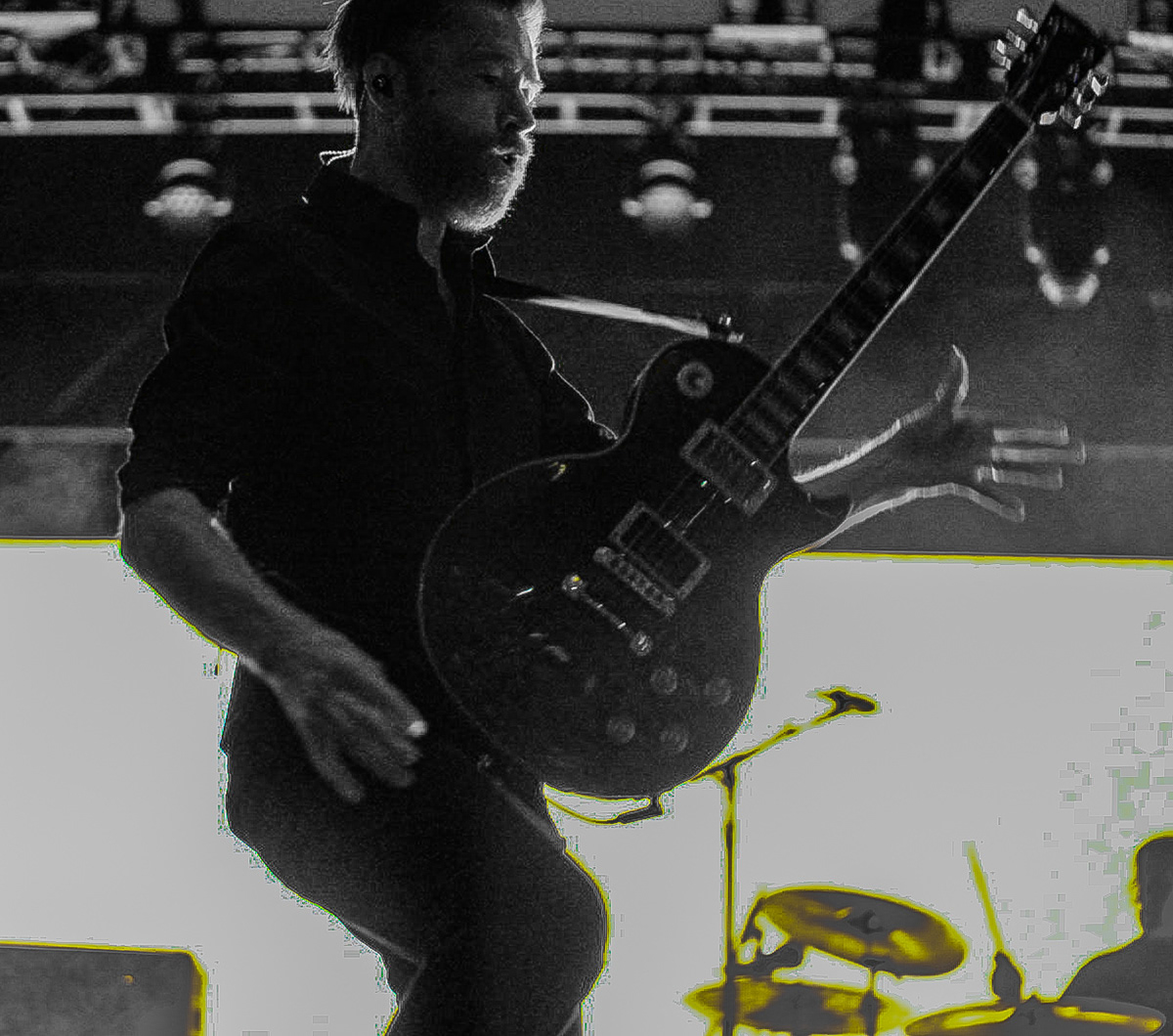
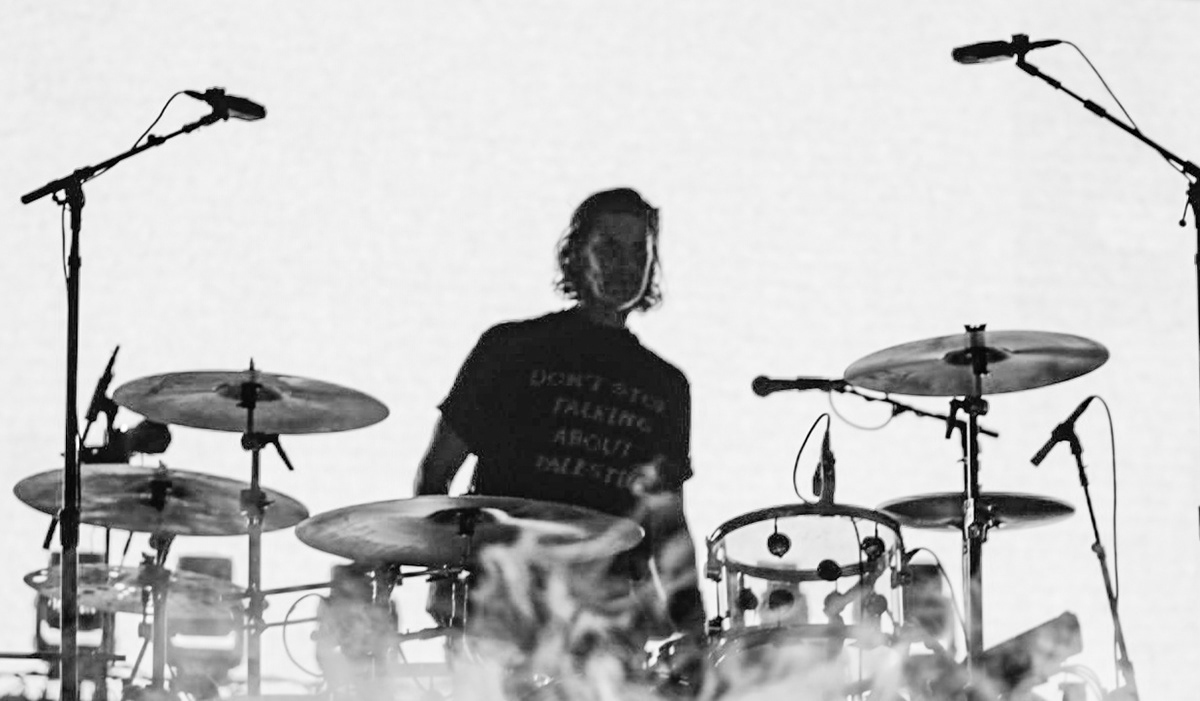
Davey Havok remains one of alternative music's most recognizable frontmen, but there is something particularly compelling about watching him perform these songs now. He doesn't simply sing them; he inhabits them. His movements are theatrical without feeling overly rehearsed, dramatic without becoming detached from the music. There is still an intensity that recalls AFI's smaller room years, even as the band now commands a much larger stage.
“Holy Visions” brought the night further into the band's darker present before “A Single Second” reached back toward their earlier work. “Snow Cats” and “17 Crimes” continued the movement between eras, giving the set a deliberate sense of history rather than treating the band's catalog as a collection of isolated hits.
“The Killing Lights” and “Behind the Clock” kept that tension building before “Beautiful Thieves” arrived.
Before the song, Havok told the crowd that this was the band's largest headline set since 2006.
That statement carried some weight. In 2006, AFI were coming off the enormous success of Decemberunderground, and the world surrounding them looked very different. The music industry was changing, alternative music occupied a different place in popular culture, and the people standing in this crowd were, in many cases, much younger versions of themselves.
Now, two decades later, AFI were still standing onstage in Southern California with thousands of people singing their songs back to them.
“Beautiful Thieves” felt like a marker in that timeline.
“Bleed Black” was even more immediate. There are songs people remember, and there are songs people physically remember. “Bleed Black” belongs to the second category. The reaction suggested that for many in the crowd, hearing it wasn't simply revisiting a favorite record; it was revisiting a particular period of their lives. The song has survived the years without losing its urgency, perhaps because the emotion inside it has never really belonged to a particular decade.
“Marguerite” shifted the atmosphere again before “I Hope You Suffer” brought the set back into darker territory. “Nooneunderground” and “The Days of the Phoenix” followed, continuing a set that refused to settle comfortably into any single period of the band's career.
Then came “Miss Murder.”
There was never any question that it would be one of the night's defining moments. Yet hearing it live in 2026 doesn't feel quite like hearing an old alternative radio hit. The song carries the entire cultural landscape that surrounded it: the black clothes, the burned CDs, the MySpace pages, the music forums, the feeling that the world was constantly reinventing itself. For anyone who discovered AFI during that period, the song has become inseparable from the person they were when they first heard it.
The band left the stage, but the night wasn't finished.
“Silver and Cold” opened the encore, dedicated in loving memory to Lou Koller of Sick Of It All. The dedication gave the final portion of the performance a different kind of weight, connecting AFI's own history to the larger punk and hardcore community from which they emerged. For all of the band's success and evolution, those roots remain important.
“Totalimmortal” closed the night with something more familiar: urgency, volume and the unmistakable feeling of an AFI show reaching its final release.
Walking away from The Observatory Grounds, the performance felt less like a nostalgia exercise than a reminder of how much of the past remains present. AFI have spent more than three decades changing shape without abandoning the darkness, melodicism and intensity that made them distinctive in the first place. They didn't attempt to recreate 2006, and they didn't need to. The significance of that year was already there in the songs, in the crowd and in the people who had carried them forward.
That's ultimately what made the Santa Ana show resonate. AFI weren't asking anyone to return to the past. They were showing that the past can remain meaningful without being recreated.
The songs survived.
So did the people who grew up with them.
And on this Southern California night, both were still loud enough to be heard.
Review
&
Photos
by
Michael Benesh